
When a Resort Vacation Turns Into a Slip and Fall Nightmare
A relaxing getaway to a Ft Lauderdale resort can take a painful turn if you slip, trip, or fall due to a hazardous condition on the property. If you’re dealing with medical bills, lost wages, or lengthy recovery after a resort fall, you may have legal options. Florida law requires property owners to maintain reasonably safe premises for guests, and when they fail, injured visitors may be entitled to compensation. A slip and fall attorney in Ft Lauderdale can help you determine whether negligence caused your injury and guide you through the claims process.
If you were hurt at a Ft Lauderdale resort and need answers, Chalik & Chalik Injury Lawyers can help you evaluate your options. Call 954-476-1000 or reach out online to get started.

Why Resort Guests Deserve the Highest Standard of Care
Under Florida premises liability law, property owners owe varying duties of care depending on a visitor’s legal status. Resort guests are classified as invitees, meaning they’re invited onto the property for mutual benefit. Property owners owe invitees the highest duty of care, including regularly inspecting the property for hidden dangers, making timely repairs, and providing adequate warning of uncorrected hazards. When a resort fails to uphold this duty and a guest is injured, the property may be liable for damages.
This elevated duty means resorts cannot ignore known risks. Management must conduct routine inspections of pool decks, lobbies, stairwells, restaurant areas, and outdoor pathways. If a dangerous condition exists and the resort either knew about it or should have discovered it through ordinary diligence, an injured guest may have a valid premises liability claim.
💡 Pro Tip: If you notice a hazard like a wet floor without a warning sign, report it to management immediately and note the time and location. This creates a record that may support your claim later.
Common Hazards That Lead to Resort Slip and Fall Injuries
Resorts are complex properties with pools, restaurants, spas, and landscaped walkways that can present slip and fall risks if not properly maintained. The most frequently reported hazardous conditions from inadequate maintenance include:
- Structural defects such as crumbling stairs, loose handrails, or uneven flooring
- Wet or slippery floors near pool areas, bathrooms, and entryways
- Inadequate lighting in stairwells, hallways, and parking structures
- Uncleaned spills in dining areas or buffet stations
- Faulty equipment like malfunctioning elevators or broken escalators
These conditions can cause serious injuries ranging from fractures and sprains to traumatic brain injuries. When a resort fails to address these hazards in a reasonable timeframe, it may breach the duty of care.
What Florida Law Requires You to Prove in a Slip and Fall Claim
Filing a slip and fall claim in Florida requires more than showing you fell on someone’s property. Under Florida Statute § 768.0755(1), an injured person must prove that the business establishment had actual or constructive knowledge of the dangerous condition and should have taken action to remedy it. This is a critical element of any resort slip and fall case in Florida.
Proving Actual or Constructive Knowledge
Actual knowledge means the resort knew about the hazard, perhaps because an employee created it or a guest reported it. Constructive knowledge requires a different showing. Under § 768.0755(1)(a), you may establish constructive knowledge by demonstrating that the dangerous condition existed long enough that, in the exercise of ordinary care, the business should have known of it. Under § 768.0755(1)(b), you can show that the condition occurred with regularity and was therefore foreseeable. For example, if a resort pool deck consistently accumulates standing water without being addressed, that pattern may satisfy the transitory foreign substance standard.
💡 Pro Tip: Ask your attorney to request maintenance logs and inspection records from the resort. A gap in documented inspections around the time of your fall can serve as evidence that the property failed to exercise ordinary care.
The Role of Third-Party Criminal Acts
In some cases, an injury at a resort may involve a third party’s criminal act, such as an assault in a poorly secured parking lot. Florida Statute § 768.0701 addresses this scenario. When a lawful visitor is injured by a third party’s criminal act on commercial property, the trier of fact must consider the fault of all persons who contributed to the injury, meaning the resort’s failure to provide adequate security could factor into liability.
How a Slip and Fall Attorney in Ft Lauderdale Strengthens Your Case
An experienced Ft Lauderdale fall accident lawyer can make the difference between a dismissed claim and a successful recovery. Slip and fall cases at resorts often involve corporate legal teams and insurance adjusters who work to minimize payouts. An attorney can investigate the scene, gather surveillance footage before it’s erased, identify witnesses, and retain professionals who can reconstruct the incident.
Documenting the Scene Effectively
Preserving evidence immediately after a fall is critical. Photograph the hazard from multiple angles, file an incident report with resort management, collect witness contact information, and preserve the footwear you were wearing.
| Evidence Type | Why It Matters |
|---|---|
| Photos and videos of the scene | Documents the exact hazard and conditions at the time of the fall |
| Incident report filed with resort | Creates a formal record tying your injury to the location |
| Witness contact information | Provides independent accounts that can corroborate your version of events |
| Preserved footwear | Counters claims that inappropriate shoes caused the fall |
| Medical records from the day of injury | Links your injuries directly to the fall rather than a pre-existing condition |
💡 Pro Tip: Use your phone’s timestamp feature when taking photos. Time-stamped images can help establish how long a hazard existed before your fall, which directly supports a constructive knowledge argument.
Defenses Resorts Commonly Use Against Slip and Fall Claims
Resort operators and their insurers rely on several well-known defenses to reduce or eliminate liability. Understanding these tactics in advance can help you and your attorney build a stronger case.
Comparative Negligence
Florida follows a modified comparative negligence system under the 2023 tort reform (HB 837), which means your recovery may be reduced or eliminated based on your own percentage of fault. If a court determines you were partially responsible for your fall, perhaps by texting while walking or ignoring a warning sign, your recovery will be reduced accordingly. Critically, if you are found more than 50 percent at fault, you are barred from recovering any damages. This rule, codified in Florida Statute § 768.81, applies to causes of action accruing after March 24, 2023.
The "Open and Obvious" Hazard Defense
A frequent defense is the assertion that the hazard was "open and obvious" to any reasonable person. However, this defense isn’t always a complete bar to recovery. A property owner may still be liable if they should have anticipated that a person might encounter the hazard despite its apparent nature. For instance, if the only path to the restroom crosses a wet pool deck, the resort may still bear responsibility.
Pre-Existing Condition Arguments
Insurance adjusters commonly argue that injuries stem from a pre-existing medical condition rather than the fall. They may scrutinize your medical history to find prior complaints involving the same body part. This is why obtaining prompt medical attention and maintaining consistent treatment records is crucial. Your Ft Lauderdale premises liability lawyer can work with medical providers to clearly document the causal connection between the fall and your injuries.
💡 Pro Tip: Attend every follow-up medical appointment after your fall. Gaps in treatment give insurers ammunition to argue that your injuries are not as serious as claimed or that something other than the fall caused them.
Florida’s Statute of Limitations for Slip and Fall Claims
Every personal injury claim in Florida is subject to a filing deadline, and missing it can end your case regardless of its strength. Under Florida’s 2023 tort reform (HB 837), the statute of limitations for negligence actions, including slip and fall claims, was reduced from four years to two years. For causes of action accruing after March 24, 2023, the deadline is now two years under Florida Statute § 95.11(4)(a).
💡 Pro Tip: Do not wait until the deadline approaches to take action. Evidence can disappear, witnesses can become difficult to locate, and resort surveillance footage is often overwritten within weeks.
Frequently Asked Questions
1. Do I need to prove the resort knew about the hazard before my fall?
Yes, in most cases. Under Florida Statute § 768.0755, you must demonstrate that the business had actual or constructive knowledge of the dangerous condition. Constructive knowledge can be shown if the hazard existed long enough that reasonable care would have uncovered it, or if the condition occurred with regularity and was foreseeable.
2. What if the resort says I was partly at fault for my fall?
Florida’s modified comparative negligence system allows fault to be shared, but with an important limitation. Your compensation may be reduced by your percentage of responsibility. However, under HB 837, if you are found more than 50 percent at fault, you are barred from recovering any damages. This rule applies to causes of action accruing after March 24, 2023.
3. How long do I have to file a slip and fall lawsuit in Florida?
For causes of action accruing after March 24, 2023, the statute of limitations for negligence claims in Florida is two years under § 95.11(4)(a). Claims that accrued before that date may still fall under the prior four-year deadline. Consulting with a slip and fall attorney in Ft Lauderdale sooner rather than later is advisable.
4. What kind of evidence should I collect after a resort fall?
Gather as much documentation as possible right away. Take photos and videos of the hazard, file a written incident report with the resort, get witness contact information, seek medical attention the same day, and keep the shoes you were wearing. These steps directly support your ability to counter common defenses and establish the resort’s knowledge of the hazard.
Protecting Your Rights After a Resort Injury in Ft Lauderdale
A slip and fall at a Ft Lauderdale resort can leave you facing serious physical, emotional, and financial challenges. Florida law provides a framework for holding negligent property owners accountable, but building a strong case requires prompt action, thorough evidence preservation, and clear understanding of the legal standards involved. From proving constructive knowledge under § 768.0755 to navigating the modified comparative negligence system and its 51 percent bar, every detail matters.
You don’t have to navigate this process alone. Chalik & Chalik Injury Lawyers is ready to help you understand your legal options and pursue the compensation you may deserve. Call 954-476-1000 or contact us today for a case evaluation.


As Fort Myers personal injury attorneys, we have represented victims of premises liability accidents in Florida for a number of injuries. While head injuries can be some of the most serious injuries that victims of falls may suffer from, joint injuries are often the most common. Shoulder injuries from slip and fall accidents in South...
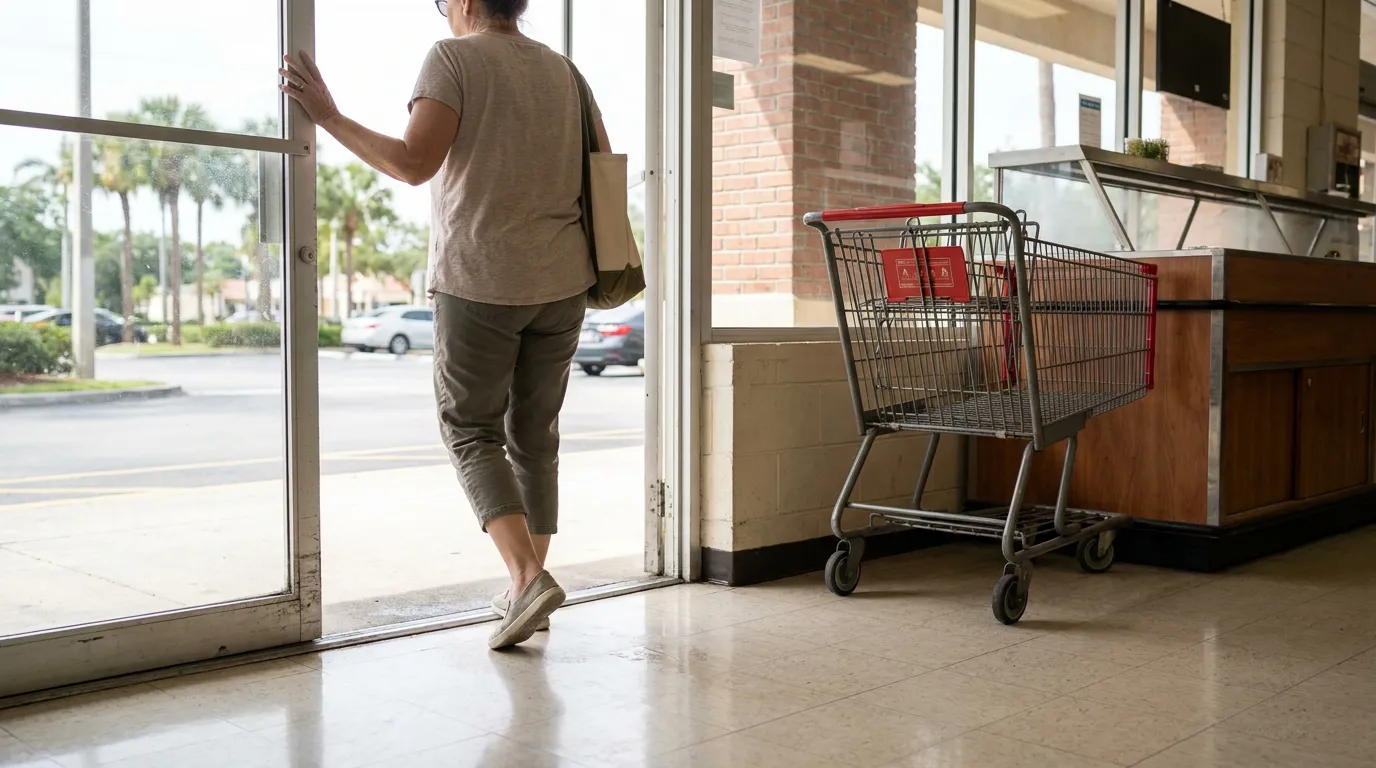 Who Is Considered an Invitee Under Plantation Slip and Fall Law?
Understanding Your Rights as a Visitor on Florida Property Key Takeaways: If you were injured while shopping, dining, or visiting a business in Plantation, you were most likely an invitee under Florida law, a person invited onto property for a business purpose. Florida sorts visitors into three categories, invitee, licensee, and trespasser, each carrying different...
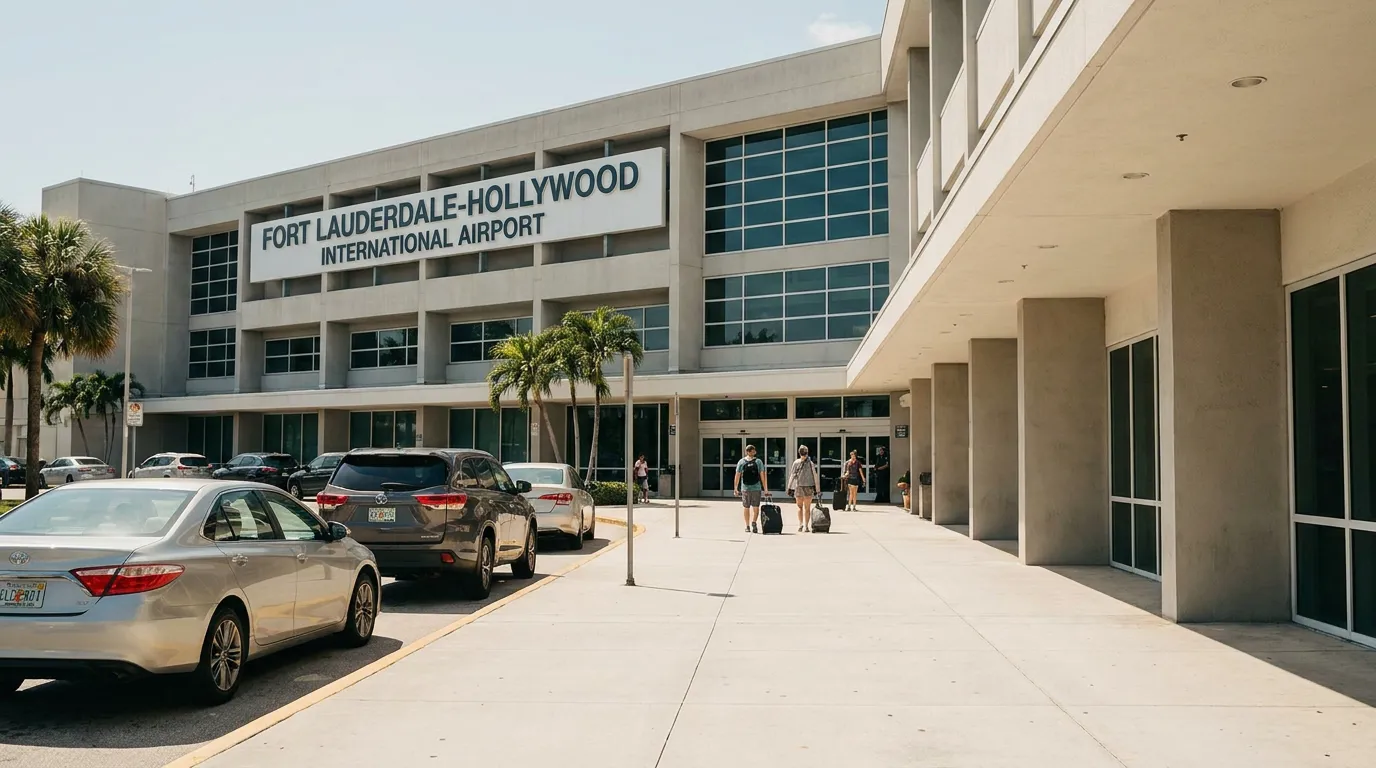 Does Florida’s Sovereign Immunity Cap Apply to Fort Lauderdale Airport Injuries?
Understanding Government Liability at Fort Lauderdale-Hollywood International Airport Key Takeaways: Yes, Florida’s sovereign immunity cap applies to injuries at Fort Lauderdale-Hollywood International Airport because Broward County operates the facility. Under section 768.28, Florida Statutes, you can pursue a negligence claim against the county, but recovery is capped at $200,000 per person and $300,000 per incident....

With a baby on board, pregnant women may find it more difficult to maintain balance and be surefooted. Pregnancy brings with it many bodily changes like a shift in the center of gravity, weight gain, a protruding belly, dizziness and loosening of ligaments. As a result, expectant mothers may be prone to falls. While there...

The cost of your medical bills and the financial value of your pain and suffering are two separate parts of an insurance claim or personal injury lawsuit. If you are injured in a car crash, trip and fall accident, or any other type of accident, you can collect compensation from the person responsible for the...

Yes, if the city has the responsibility for maintenance and owns the portion of the sidewalk on which you slipped and fell and suffered injuries. If another entity (such as a private property owner, or condo or homeowner association) owned the sidewalk or was responsible for its maintenance, you may have to file a claim...

If you slip and fall at a La Quinta Inn, you should get the medical care you need and then take the necessary steps to protect your rights. Proving that a La Quinta Inn employee or owner’s negligence caused your accident is essential to building a persuasive compensation claim. Suffering injuries on someone else’s property...

If you slipped, fell, and got hurt, you might be wondering if you have a valid personal injury claim and the right to pursue fair compensation. In many slip and fall cases, it comes down to whether a property owner knew (or should have known) about a dangerous condition and didn’t fix it in a...