
When a Store Destroys Video Evidence After Your Plantation Fall
If you slipped and fell in a Plantation store and discovered the surveillance footage was deleted, your case isn’t over. Under Florida law, destroying evidence (spoliation) triggers serious legal consequences. Courts recognize that stores may have a duty to preserve video recordings once aware a potential claim exists, though this duty depends on whether it arises from a contract, statute, or properly served discovery request. When breached, Florida law provides remedies to protect injured individuals.
If a store destroyed footage after your fall, Chalik & Chalik Injury Lawyers can help. Call 954-476-1000 or reach out to our team today to discuss your situation.
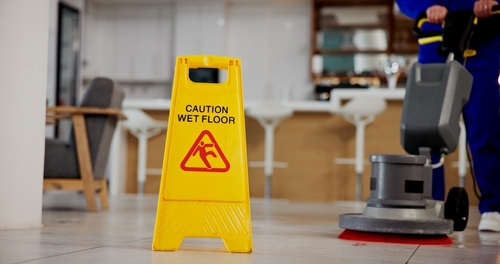
Understanding Spoliation of Evidence in Florida
Spoliation occurs when a party destroys, alters, or fails to preserve material relevant to pending or foreseeable litigation. In slip and fall claims, this often involves surveillance footage of the incident or hazardous condition. While Florida first addressed spoliation in Bondu v. Gurvich, 473 So. 2d 1307 (Fla. 3d DCA 1984), the Florida Supreme Court later held in Martino v. Wal-Mart Stores, Inc., 908 So. 2d 342 (Fla. 2005), that no independent cause of action for first-party spoliation exists. Instead, proper remedies are discovery sanctions and a rebuttable presumption of negligence in the underlying case.
Florida courts may impose significant sanctions for destroying evidence. These include striking pleadings, entering default on liability, excluding testimony, imposing evidentiary presumptions, and dismissing claims. These remedies exist because the justice system depends on fair access to proof.
💡 Pro Tip: After a fall, immediately ask management if cameras recorded the area. Document camera locations with your phone and note the date, time, and location in writing.
How the Duty to Preserve Evidence Arises
A store’s obligation to keep footage doesn’t begin only when a lawsuit is filed. Under Florida law, a duty to preserve evidence can arise by contract, statute, or properly served discovery request. In Hagopian v. Publix Supermarkets, Inc., 788 So. 2d 1088 (Fla. 4th DCA 2001), the court found that completing an incident report and claiming work product privilege evidenced anticipated litigation, supporting a duty to preserve. However, the Fourth District clarified in Royal & Sunalliance v. Lauderdale Marine Center, 877 So. 2d 843 (Fla. 4th DCA 2004), that neither Hagopian nor prior cases established a broad common law duty when litigation is merely anticipated.
What Triggers the Preservation Duty
Several actions may support finding a preservation duty existed:
- Completing an incident report after your fall
- Receiving a demand letter or notice of claim
- Being contacted by your insurance company
- Having an employee witness the fall
Once these events occur, stores may struggle arguing they had no reason to retain footage. A Plantation slip and fall lawyer can help establish the store knew or should have known to preserve the recording.
💡 Pro Tip: Send a written evidence preservation letter to the store immediately after your fall. This formally puts them on notice and strengthens your position if footage is destroyed.
What You Must Prove in a Florida Spoliation Claim
Florida requires establishing six specific elements. As outlined in Gayer v. Fine Line Construction & Electric, Inc., 970 So. 2d 424, 426 (Fla. 4th DCA 2007):
| Element | What It Means for Your Case |
|---|---|
| Existence of a potential civil action | You had a viable slip and fall claim before evidence destruction |
| A legal or contractual duty to preserve evidence | The store had a duty from contract, statute, or discovery request |
| Destruction of the evidence | The footage was deleted or made unavailable |
| Significant impairment | Lost footage meaningfully harmed your ability to prove your claim |
| Causal relationship | Destruction directly caused harm in the underlying lawsuit |
| Damages | You suffered actual losses from the impaired claim |
The "significant impairment" element is crucial in destroyed footage cases. When video is primary proof of what caused your fall, its absence prevents proving the store’s negligence. This is precisely the harm that spoliation of evidence law in Florida addresses.
How Slip and Fall Attorney in Plantation Cases Handle Destroyed Footage
When footage is destroyed, experienced attorneys pursue remedies to level the playing field. Florida courts apply a five-factor test before imposing sanctions, established in Federal Insurance Co. v. Allister, 622 So. 2d 1348, 1351 (Fla. 4th DCA 1993): (1) prejudice to the other party, (2) whether prejudice can be cured, (3) the evidence’s practical importance, (4) good or bad faith destruction, and (5) potential for abuse.
Sanctions Based on Intent
Sanctions depend on whether destruction was intentional or negligent. Under Martino v. Wal‑Mart Stores, Inc., 908 So. 2d 342 (Fla. 2005) and Public Health Trust of Dade County v. Valcin, 507 So. 2d 596 (Fla. 1987), intentional destruction may result in striking pleadings and other Rule 1.380(b)(2) sanctions, while negligent destruction may create a rebuttable presumption of negligence. The Florida Supreme Court’s decision in League of Women Voters of Florida v. Detzner, 172 So. 3d 363 (Fla. 2015), addresses the duty to preserve evidence when litigation is reasonably anticipated and confirms that an adverse inference may arise even absent a formal preservation duty, but it does not itself establish the intentional-versus-negligent sanctions framework. Courts may also instruct juries to draw an adverse inference against the store, meaning the jury may presume destroyed footage showed the store was at fault.
When Bad Faith Does Not Matter
Sometimes, bad faith is irrelevant. Under DePuy, Inc. v. Eckes, 427 So. 2d 306 (Fla. 3d DCA 1983), when destroyed evidence is so essential a party cannot proceed without it, sanctions may be imposed regardless of intent. If surveillance footage was the only objective record of your fall, courts may remedy the imbalance even if deletion was claimed accidental.
💡 Pro Tip: Get written or recorded statements from witnesses who saw your fall immediately. If footage is destroyed, eyewitness testimony becomes critical.
First-Party vs. Third-Party Spoliation Claims
Florida law distinguishes between first-party and third-party spoliation. In Martino v. Wal-Mart Stores, Inc., 908 So. 2d 342 (Fla. 2005), the Florida Supreme Court ruled there’s no independent cause of action for first-party spoliation. When the store that destroyed footage is also the defendant, remedy comes through discovery sanctions and a rebuttable presumption rather than a separate lawsuit.
However, if a third party destroys evidence critical to your case, Florida recognizes an independent tort claim. As discussed in resources on spoliation involving non-party witnesses, a non-party can be held liable for damages when they destroy key evidence, though courts generally require a contractual or statutory duty or properly served discovery request.
Adverse Inferences and What They Mean for Your Claim
One powerful tool for fall victims is the adverse inference. Under Florida law, when a party fails to produce evidence within its control, courts may instruct juries to presume withheld or destroyed evidence would have been unfavorable to that party, as recognized in New Hampshire Insurance Co. v. Royal Insurance Co., 559 So. 2d 102 (Fla. 4th DCA 1990). This inference may arise even without a formal preservation duty, based on the logical conclusion that parties destroy damaging evidence because it was unfavorable.
For slip and fall claims, an adverse inference may allow juries to assume deleted footage showed the hazard, store notice, or failure to clean up. This doesn’t guarantee a verdict but removes the obstacle created by destroying evidence. Understanding how security cameras affect your case is essential whether footage exists or not.
💡 Pro Tip: Save all correspondence from the store or its insurer. Communications referencing the incident may help prove the store knew to preserve footage.
Steps to Protect Your Case After a Plantation Fall
Acting quickly is crucial, especially if evidence may be at risk. Surveillance systems frequently record over old footage within days or weeks. A Florida fall injury attorney can send a formal preservation demand and seek court orders to prevent destruction.
Practical Steps You Should Take
- Report the fall to management and request a copy of the incident report
- Photograph the scene, including the hazard, injuries, and visible cameras
- Collect contact information from witnesses
- Seek medical attention promptly and keep all records
- Contact an attorney before the store can delete footage
Frequently Asked Questions
1. Can a store legally delete surveillance footage after my slip and fall?
A store may face legal consequences for deleting footage once a preservation duty is triggered. While no Florida statute requires stores to retain footage for a set period, the duty can arise from contract, statute, or properly served discovery request. Actions like preparing an incident report may support finding the duty arose before litigation. Deleting footage after that point may constitute spoliation.
2. What happens if the store says the footage was automatically recorded over?
Automatic overwriting doesn’t necessarily excuse the store. If a duty existed through contractual obligation or properly served preservation request, the store generally had an obligation to preserve the recording before system overwrite. Courts may still impose sanctions or adverse inferences.
3. Can I still win my slip and fall case without video evidence?
Yes, many successful cases rely on other proof. Witness testimony, photographs, maintenance logs, incident reports, and medical records can support your claim. An adverse inference instruction can also bridge the gap left by destroyed footage.
4. How long do I have to file a spoliation claim in Florida?
The timeline generally follows the statute of limitations for the underlying case. Following 2023 tort reform legislation, the statute for negligence claims is now two years under Fla. Stat. § 95.11(3) for causes accruing on or after March 24, 2023. Claims accruing before that date remain subject to the prior four-year limitation. Because recent legislative changes may affect this timeline, prompt action is advisable.
5. Does it matter whether the store destroyed the footage on purpose or by accident?
It affects sanction severity but doesn’t always matter. Intentional destruction may lead to severe penalties like striking pleadings. However, if destroyed evidence was so critical you cannot proceed without it, courts may impose sanctions regardless of whether the act was deliberate. An adverse inference instruction may be available even without showing bad faith.
Protecting Your Rights When Evidence Disappears
Destroyed surveillance footage doesn’t erase your right to seek compensation after a Plantation fall. Florida law provides multiple avenues of relief, from adverse inferences to discovery sanctions and rebuttable presumptions, designed to hold accountable those who destroy critical evidence. The key is acting quickly to preserve remaining evidence and building a strong record with what’s available.
If you believe a store destroyed footage after your fall, Chalik & Chalik Injury Lawyers is ready to help. Call 954-476-1000 or contact us now to get the Plantation fall accident legal help you need.


Over 3 Million Fall Victims Need Emergency Care: Getting Legal Help After Your Miami Slip and Fall In 2023, more than 3.85 million older adults were treated in emergency departments for fall-related injuries, and in 2024 alone, 43,020 individuals aged 65 and older died as a result of preventable falls, according to the National Safety...
 Hidden slip and fall hazards of steps and stairways
Slip and fall accidents on stairs can cause serious injuries. Stairways come with inherent dangers that are usually not present on level surfaces. While sometimes the hazards may be obvious, in other cases they may be harder to detect. Property owners can be liable for stair accidents just like slip and falls in other locations....
 Who Is Considered an Invitee Under Plantation Slip and Fall Law?
Understanding Your Rights as a Visitor on Florida Property Key Takeaways: If you were injured while shopping, dining, or visiting a business in Plantation, you were most likely an invitee under Florida law, a person invited onto property for a business purpose. Florida sorts visitors into three categories, invitee, licensee, and trespasser, each carrying different...

How the Open and Obvious Defense Could Affect Your Ft Lauderdale Fall Claim If you slipped and fell on someone else’s property in Ft Lauderdale, you may expect the property owner to take responsibility, but the defense they raise could change everything. One of the most common strategies property owners and insurers use in Florida...

If you fall in a restaurant, the first thing you should do is call 911 for medical help. Falls can be serious, even if they appear minor at first. You can ask a server or manager to make the call, or you or someone you’re dining with can connect with a dispatcher. If you don’t...

Yes, if the city has the responsibility for maintenance and owns the portion of the sidewalk on which you slipped and fell and suffered injuries. If another entity (such as a private property owner, or condo or homeowner association) owned the sidewalk or was responsible for its maintenance, you may have to file a claim...

A slip and fall accident can happen when a property owner fails to maintain safe conditions. If you were hurt in a fall, you must prove that someone else’s negligence caused your injuries. Proving fault is essential to recovering compensation for medical expenses, lost wages, and other damages. In a slip and fall case, the...

Suing Walmart for a slip and fall injury is a complex process that involves gathering evidence of negligence and liability, negotiating with Walmart’s liability insurance provider, meeting the personal injury lawsuit statute of limitations, and potentially defending your claim in court. While you can take on the challenge of suing Walmart after a slip and...