
Why Documenting a Slip and Fall Scene in Miami Can Make or Break Your Case
All falls (including slip and fall accidents) account for approximately 21.3% of emergency room visits, while slip and fall accidents specifically account for approximately 12% of all fall-related emergency room visits (not 12% of all ER visits), representing over 1 million ER admissions annually; many result from preventable hazards on someone else’s property. If you have been injured in a slip and fall in Miami, the steps you take immediately after the incident can significantly influence your legal claim’s strength. Proper documentation preserves critical evidence, helps establish negligence, and positions you to pursue fair compensation for your injuries and losses.
If you need guidance after a fall injury, Chalik & Chalik Injury Lawyers can help you understand your options. Call 954-476-1000 or reach out online to discuss your situation today.
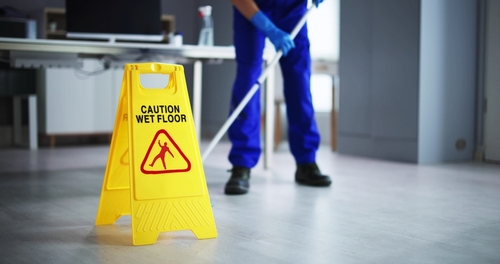
What a Slip and Fall Attorney in Miami Wants You to Know About Evidence
The foundation of any successful slip and fall case in Miami rests on proving negligence. You must show that a duty of care existed, the property owner breached that duty, the breach caused the accident, and the accident resulted in measurable harm. Without solid evidence collected at the scene, establishing these elements becomes far more difficult. Property owners and their insurers will look for gaps in your documentation and use them to minimize or deny your claim.
Florida follows a modified comparative negligence framework, which means your compensation may be reduced by your percentage of fault and, critically, if you are found more than 50% at fault, you are barred from recovering any damages. This makes thorough Miami injury documentation essential. Detailed scene evidence can counter defense arguments and protect your claim’s value.
Photograph and Video the Hazard From Every Angle
Your first priority at the accident scene, if physically able, should be capturing photographs and videos of the exact location where you fell. Focus on whatever caused the fall, whether a wet floor, broken step, icy patch, or uneven surface. These images serve as direct proof of the dangerous condition that existed at the time.
Take photos of the hazard from multiple angles and distances. This approach helps defeat common defenses such as "no notice" or "trivial defect" claims, where the property owner argues the hazard was too minor to warrant action or they were unaware it existed. Images from several vantage points paint a complete picture for insurers, judges, or jurors evaluating your slip and fall case evidence.
💡 Pro Tip: Use your phone’s timestamp feature when taking photos. Date- and time-stamped images are harder to challenge and corroborate your incident timeline.
Document the Surrounding Conditions
Beyond the hazard itself, capture the broader environment around the fall location. Document lighting conditions, the absence of warning signs, wet floor conditions, cluttered walkways, and any uneven or damaged flooring. These details establish context and can demonstrate the property owner failed to maintain a safe environment.
Common hazardous conditions worth documenting include:
- Wet or slippery surfaces
- Poor or inadequate lighting
- Uneven, cracked, or damaged flooring
- Missing or inadequate warning signs
- Cluttered or obstructed walkways
- Loose rugs, mats, or floor coverings
💡 Pro Tip: If weather played a role in your fall at an outdoor location, photograph ground conditions and note the weather. Rainfall and humidity are common contributing factors in South Florida.
Report the Incident and Secure a Written Record
Informing the property owner, manager, or an on-site employee about your fall should happen as quickly as possible. Commercial establishments such as grocery stores, hotels, and shopping centers will typically create an incident report when notified. This report becomes an official record that the fall occurred on their premises under specific conditions.
Request a copy of the written incident report before you leave the property. Having your own copy ensures accurate details and prevents later alterations. If the property owner or manager refuses to provide a copy, make a written note of the date, time, and the name of the person you spoke with. This record may prove valuable as your Florida slip and fall claim progresses.
💡 Pro Tip: Describe what happened factually but avoid speculating about fault or apologizing. Statements like "I should have been more careful" can be used against you.
Collect Witness Information at the Scene
Independent witnesses can dramatically strengthen a slip and fall claim, so gathering their contact information at the scene is critical. If anyone saw your fall or noticed the dangerous condition, get their full name and phone number. Witness testimony often carries significant weight because these individuals have no personal stake in the outcome.
Ask witnesses what they observed and whether they would provide a statement later. Their accounts can corroborate your version of events and counter any narrative the property owner constructs after the fact. In a modified comparative negligence state like Florida, witness statements may help establish that the hazard was obvious and you were not at fault.
Preserve Physical Evidence and Seek Medical Attention
Keep the shoes and clothing you were wearing at the time of the fall. These items can serve as physical evidence, potentially showing residue from a slippery substance, damage from a broken surface, or wear patterns relevant to the defense’s arguments. Store them safely without washing or altering them, and learn more about how to preserve evidence after a slip and fall.
Seek medical attention promptly, even if your injuries seem minor. Medical records create a documented link between the fall and your injuries. Delays in treatment give the defense an opportunity to argue your injuries were pre-existing or unrelated to the incident.
| Evidence Type | What to Document | Why It Matters |
|---|---|---|
| Photos/Videos | Hazard, surrounding area, lighting, signage | Proves the dangerous condition existed |
| Incident Report | Written record from property owner/manager | Creates an official account of the fall |
| Witness Information | Names, phone numbers, observations | Provides independent corroboration |
| Physical Evidence | Shoes, clothing worn during the fall | May show residue or damage from hazard |
| Medical Records | ER visits, diagnoses, treatment plans | Links injuries directly to the accident |
💡 Pro Tip: Start a personal journal documenting your pain levels, mobility limitations, and emotional impact following your fall. This record can support claims for non-economic damages.
Avoid Common Mistakes That Can Hurt Your Slip and Fall Case in Miami
One of the most consequential mistakes victims make is providing a recorded statement to the property owner’s insurance company without consulting an attorney first. Your words can be taken out of context or used to reduce your compensation. Insurance adjusters are trained to ask questions designed to elicit responses that suggest you share blame.
Another common error is waiting too long to take legal action. Under Florida law, the statute of limitations for filing a slip and fall lawsuit is two years from the date of the accident, as outlined in Fla. Stat. § 95.11(4)(a), following the 2023 tort reform enacted through House Bill 837. Evidence deteriorates, witnesses become harder to locate, and surveillance footage may be deleted. Acting quickly protects your case’s integrity.
How a Slip and Fall Attorney in Miami Builds Your Case
An experienced fall injury attorney in Miami will use the evidence you collect to build a compelling negligence claim. This involves establishing that the property owner owed you a duty of care, identifying how that duty was breached, and connecting the breach directly to your injuries and financial losses. Legal estimates suggest that average slip and fall settlements generally range from $10,000 to $50,000, though outcomes vary based on injury severity, medical expenses, and defenses raised in premises liability cases.
Your attorney can also handle communications with the insurance company, preserving your rights while you focus on recovery. A slip and fall attorney in Miami understands how Florida’s modified comparative negligence rules affect claim value and can develop strategies to minimize any fault attributed to you.
💡 Pro Tip: Request that the property owner preserve surveillance camera footage immediately after your fall. Many businesses overwrite security recordings within days or weeks, and this footage can be powerful evidence.
Frequently Asked Questions
1. What should I photograph after a slip and fall in Miami?
Photograph the specific hazard that caused your fall from multiple angles, along with the surrounding area, lighting conditions, any warning signs or lack thereof, and your visible injuries. Capture images as soon as possible while conditions remain unchanged.
2. How long do I have to file a slip and fall lawsuit in Florida?
Under Fla. Stat. § 95.11(4)(a), as amended by House Bill 837 in 2023, Florida provides a two-year statute of limitations for negligence-based personal injury claims, including slip and fall cases. The clock typically starts on the day of the accident, though certain exceptions may apply depending on circumstances.
3. Should I give a recorded statement to the property owner’s insurance company?
Avoid giving a recorded statement without first consulting an attorney. Insurance adjusters may use your words to reduce or deny your claim, and anything you say could be used against you.
4. What if I was partially at fault for my slip and fall?
Florida applies modified comparative negligence principles, meaning your compensation may be reduced by your percentage of fault. If you are found more than 50% at fault, you are barred from recovering any damages. Thorough scene documentation helps counter arguments that you were careless and protects your claim’s value.
5. Why are witnesses important in a slip and fall case?
Independent witnesses who saw your fall or the dangerous condition can corroborate your account and are highly valuable. Their testimony may help establish that the hazard was present and the property owner failed to address it.
Protecting Your Rights Starts at the Scene
Documenting a slip and fall scene in Miami requires quick thinking during a stressful moment, but the evidence you gather in those first minutes can shape your case’s entire trajectory. From photographing the hazard and collecting witness details to reporting the incident and preserving your clothing, every step builds the foundation for proving negligence and pursuing the compensation you deserve.
The team at Chalik & Chalik Injury Lawyers is ready to review your slip and fall evidence and help you understand your legal options. Call 954-476-1000 or contact us today for a conversation about your case.


Banana Peel Slip and Fall Cases are the Real Deal If you’ve read comic books or seen cartoon shows, you’ve probably seen a character in one of these farces slip and fall on a banana peel. The reality is that this actually does happen, resulting in some serious injuries. Personal injury lawsuits, though easily...
 Can Airport Contractors Be Held Liable for a Ft Lauderdale Terminal Fall?
Understanding Who Is Responsible When You Fall Inside a Fort Lauderdale Airport Key Takeaways: Airport contractors in Fort Lauderdale can be held liable for terminal falls depending on who controlled the area and whether they maintained it safely. Under Fla. Stat. §768.0755(2), Florida law preserves common-law duties for any party controlling premises, meaning maintenance contractors...
 What Is Sovereign Immunity in a Plantation Slip and Fall Against the City?
Falling on City Property in Plantation: Why Sovereign Immunity Matters Key Takeaways: Sovereign immunity means the City of Plantation generally cannot be sued without consent, but Florida Statute §768.28 provides a limited waiver allowing negligence claims against municipalities. To recover, you must connect your injury to a government employee’s negligence and, for slips on transitory...
 Who Is Liable When King Tide Flooding Causes a Ft Lauderdale Slip and Fall?
When Rising Tides Turn Sidewalks Into Hazards Key Takeaways: When king tide flooding causes a slip and fall at a Ft. Lauderdale property, liability falls on the owner, operator, lessor, or manager who failed to address a dangerous condition they knew or should have known about under Florida’s premises liability law in Chapter 768. Your...

If you slip and fall at a La Quinta Inn, you should get the medical care you need and then take the necessary steps to protect your rights. Proving that a La Quinta Inn employee or owner’s negligence caused your accident is essential to building a persuasive compensation claim. Suffering injuries on someone else’s property...

Often, Florida cities and municipalities are held responsible for the upkeep and maintenance of sidewalks and could, therefore, be liable for injuries and losses suffered by a victim in a slip and fall accident on a public sidewalk. If the public sidewalk is owned by a condo or homeowner association, then they would have the...

When accepting visitors onto the premises, property owners are held to a high duty of care to ensure that guests and visitors are not injured by hazardous conditions. For example, let’s say that a small child spilled their drink in a grocery store. The store should have workers continuously monitoring the premises to quickly address...

Yes, if the city has the responsibility for maintenance and owns the portion of the sidewalk on which you slipped and fell and suffered injuries. If another entity (such as a private property owner, or condo or homeowner association) owned the sidewalk or was responsible for its maintenance, you may have to file a claim...