
When Wet Floors Lead to Serious Injuries: Your Rights as a Slip and Fall Victim
If you’ve slipped on a wet floor in a Miami business and suffered injuries, you may wonder whether the property owner can be held responsible for your medical bills, lost wages, and pain. Under Florida law, businesses have specific legal obligations to maintain safe premises for customers. However, proving liability requires meeting particular standards. Florida Statute F.S. 768.0755 requires that injured persons prove the business had actual or constructive knowledge of the dangerous condition—evidence showing the business knew or should have known about the wet floor before your accident. Understanding these requirements can make the difference between recovering fair compensation and walking away empty-handed.
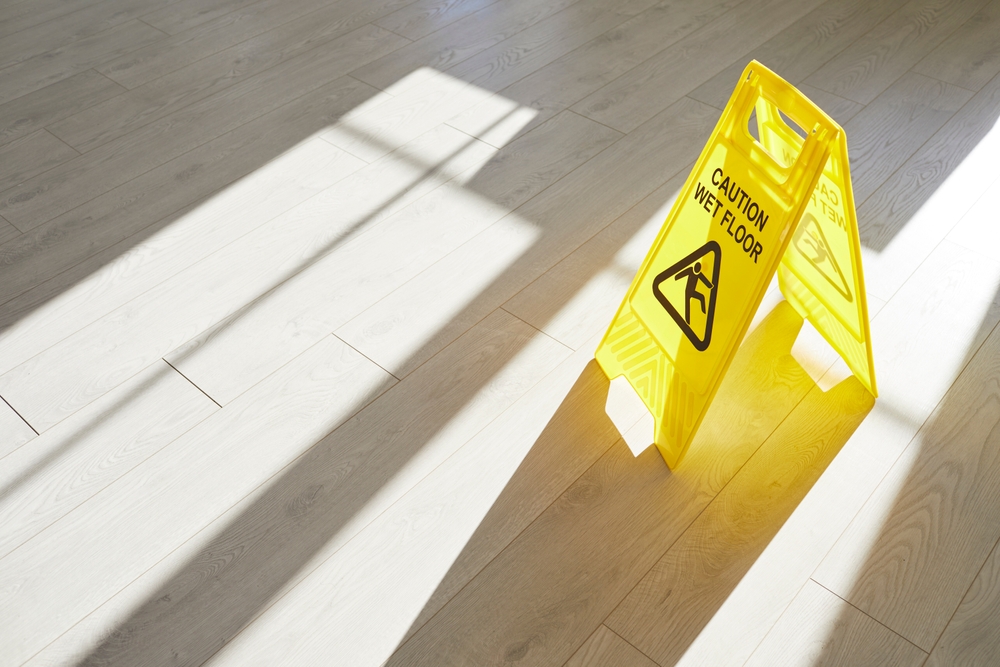
💡 Pro Tip: Take photos of the wet floor immediately after your fall, including any warning signs (or lack thereof) and the surrounding area. These images become crucial evidence for proving how long the hazard existed.
If you’ve found yourself tangled in the aftermath of a slip and fall on a wet floor in a Miami business, don’t stand alone. Reach out to Chalik & Chalik Injury Lawyers who are ready to help you navigate the legal waters and seek the compensation you deserve. Give us a ring at 954-476-1000 or contact us to start your journey toward resolution.
Personal Injury Lawyer, Near You
(855) 529-0269Florida’s Premises Liability Laws: What Miami Businesses Must Do to Keep You Safe
Florida premises liability laws require Miami businesses to maintain reasonably safe conditions for customers. Property owners must implement regular inspections, promptly address known hazards, and warn visitors about dangerous conditions. Constructive knowledge may be proven by circumstantial evidence, meaning you don’t need direct proof that a manager saw the spill. Instead, you can show the wet floor existed long enough that reasonable inspection procedures would have discovered it. Evidence might include dried edges on the spill, shopping cart tracks through the liquid, or witness testimony about the hazard’s duration. Many Miami businesses try avoiding liability by claiming no knowledge of the condition, but Florida law recognizes businesses cannot ignore their duty to inspect and maintain safe premises.
💡 Pro Tip: Request surveillance footage immediately through your attorney, as most businesses retain surveillance video for 30 to 90 days; some small businesses may keep footage only 7–14 days, while certain industries such as banking and casinos may retain footage for six months or longer.
The Step-by-Step Process After a Miami Slip and Fall Accident
After suffering a slip and fall injury on wet floors in a Miami business, the timeline for pursuing your claim involves several critical phases. Immediate medical attention should be your first priority for both health and documentation. Within days, preserving evidence becomes crucial as businesses may quickly clean up or overwrite surveillance footage. Studies indicate that slip and fall accidents account for over 1 million emergency room visits annually in the United States, with wet floors being a leading cause of these incidents. Florida’s statute of limitations generally allows two years to file a personal injury lawsuit for accidents occurring on or after March 24, 2023 (four years for accidents that occurred before that date), but waiting can severely weaken your case as evidence disappears and memories fade.
- Seek immediate medical treatment and follow all doctor recommendations
- Document the scene with photos and gather witness contact information
- Report the incident to business management and request a written report
- Preserve any clothing or shoes worn during the fall
- Consult with a Miami slip and fall lawyer to evaluate your legal options
- Begin the investigation process to establish how long the hazard existed
Click to contact Chalik & Chalik's personal injury lawyers today
Building a Strong Case with an Experienced Slip and Fall Attorney in Miami
Successfully pursuing a wet floor claim against a Miami business requires more than proving injury. You must establish the business had actual or constructive knowledge of the dangerous condition, which often involves complex investigation and evidence gathering. Experienced attorneys understand how to obtain surveillance footage, maintenance logs, and inspection records that businesses rarely provide voluntarily. They can work with experts to analyze physical evidence and determine how long a spill existed. Chalik & Chalik Injury Lawyers have extensive experience handling premises liability cases throughout Miami and understand the challenges of proving constructive knowledge under Florida law. Their team knows how to counter common defenses, such as claims you weren’t watching where you were going or that the hazard was open and obvious. With proper representation, you can focus on recovery while your attorney handles the complex legal requirements.
💡 Pro Tip: Keep a daily journal documenting your pain levels, medical appointments, and how your injuries affect your daily activities. This contemporaneous record can be powerful evidence of your damages.
For a free legal consultation call
(855) 529-0269Common Types of Evidence That Prove Business Liability in Wet Floor Cases
Proving a Miami business had constructive knowledge of a wet floor hazard requires strategic evidence collection. Surveillance footage often provides the most compelling proof, showing how long water remained on the floor, whether employees walked past without addressing it, or if warning signs were properly placed. Maintenance logs and inspection records can reveal whether the business followed proper safety protocols. Weather conditions may also be relevant, as businesses should implement additional safety measures during rainy weather when customers track water inside.
Witness Testimony and Circumstantial Evidence
Witness statements from other customers or employees provide crucial insights into floor conditions before your fall. Florida law recognizes that constructive knowledge can be established through circumstantial evidence. If multiple customers complained about wet floors earlier that day, or if the spill showed signs of disturbance by foot traffic or shopping carts, these facts support the argument that sufficient time passed for the business to discover and address the hazard. Dirt, debris, or scuff marks in the liquid can indicate the spill existed for an extended period.
💡 Pro Tip: Ask other shoppers if they noticed the wet floor before your fall and get their contact information. Their observations about the condition’s duration can strengthen your constructive knowledge argument.
Understanding Damages and Compensation in Miami Slip and Fall Cases
Victims of wet floor accidents in Miami businesses often face significant financial hardships. Florida law allows recovery for various damages when you prove business liability. Economic damages include current and future medical expenses, lost wages, and diminished earning capacity. Non-economic damages compensate for pain and suffering, loss of enjoyment of life, and emotional distress. Some accidents result in permanent injuries such as traumatic brain injuries, spinal damage, or complex fractures requiring multiple surgeries.
Calculating Long-Term Impact of Slip and Fall Injuries
Many victims underestimate the long-term financial impact of their injuries, particularly when dealing with insurance adjusters pushing for quick settlements. Severe falls can lead to chronic pain, ongoing physical therapy needs, or permanent mobility limitations. A Miami slip and fall attorney can work with medical experts and economic professionals to properly value your claim, ensuring all future costs are considered, especially when injuries affect your ability to work or require lifestyle modifications.
Frequently Asked Questions
Common Legal Questions About Slip and Fall Claims
Understanding your rights after a slip and fall accident in a Miami business can feel overwhelming. These frequently asked questions address the most common concerns victims face when considering legal action.
💡 Pro Tip: Write down all your questions before meeting with an attorney. Having a prepared list ensures you get all the information you need during your consultation.
Next Steps in Your Slip and Fall Case
Taking the right steps after your accident can significantly strengthen your potential claim. Understanding the legal process helps you make informed decisions about protecting your rights and pursuing fair compensation.
1. What if the business claims they didn’t know about the wet floor before my Miami slip and fall accident?
Under Florida law, businesses cannot escape liability by claiming ignorance. The statute allows you to prove constructive knowledge through circumstantial evidence that the condition existed long enough that the business should have discovered it through reasonable care. This might include footprints through the spill, dried edges on the liquid, or testimony about inadequate inspection procedures.
2. How long do I have to file a slip and fall lawsuit against a Miami business?
Florida’s statute of limitations provides two years from the accident date to file a personal injury lawsuit for accidents occurring on or after March 24, 2023 (four years for accidents before that date). However, if your fall occurred on city property in Miami, different notice requirements apply – you must provide written notice within three years of the incident and wait for a 180-day investigation period before filing a lawsuit.
3. Can I still pursue a claim if the business put up a wet floor sign after I fell?
Yes, placing warning signs after your accident doesn’t absolve the business of liability for failing to warn customers beforehand. Quickly placing signs after an accident might be viewed as an admission that the business recognized the danger. What matters legally is whether adequate warnings were in place at the time of your fall and whether the business took reasonable steps to address the hazard.
4. What if I didn’t see the water on the floor because I was looking at merchandise?
Florida law requires businesses to maintain reasonably safe conditions for customers and recognizes that customers are invitees who come to browse and examine products. However, Florida applies a modified comparative negligence system where customers can be found partially at fault if they fail to exercise reasonable care for their own safety, including watching where they walk. While customers can argue that stores encourage them to look at merchandise displays, they do not have an absolute legal right to ignore floor conditions.
5. Should I accept the business’s insurance company settlement offer?
Insurance companies often make quick settlement offers hoping victims will accept less than their claims are worth. Before accepting any offer, consult with a Miami slip and fall lawyer who can evaluate whether the amount fairly compensates you for all damages, including future medical needs. Once you accept a settlement, you typically cannot seek additional compensation later.
Work with a Trusted Slips & Falls Lawyer
When facing the physical, emotional, and financial challenges following a serious slip and fall accident, having knowledgeable legal representation can make a substantial difference in your outcome. Florida’s premises liability laws contain specific requirements and deadlines that can trap unwary victims. An experienced Miami accident attorney understands how to investigate wet floor cases thoroughly, preserve critical evidence, and build compelling arguments for constructive knowledge under Florida Statute 768.0755. They can handle negotiations with insurance companies who often minimize or deny valid claims, allowing you to focus on physical recovery. Skilled legal counsel ensures you understand all your rights and options while pursuing the full compensation you deserve.
Don’t slip through the cracks when it comes to your rights! If you’ve had a tumble in a Miami business, let Chalik & Chalik Injury Lawyers help you find your footing in the legal landscape. Give us a call at 954-476-1000 or contact us today to explore your options and chase the compensation you deserve.
Call or text Chalik & Chalik
(855) 529-0269

 Can Security Cameras Help Your Plantation Slip and Fall Case?
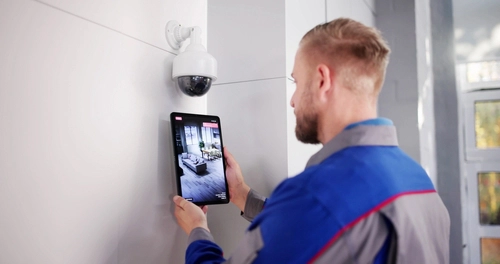
Security Camera Footage Could Make or Break Your Injury Claim When you slip and fall in a Plantation grocery store or mall, security cameras overhead may capture crucial evidence. Surveillance video can become powerful proof of property owner negligence, but Florida law has specific requirements for handling this evidence. Understanding these rules could mean the...
 Hidden slip and fall hazards of steps and stairways
Slip and fall accidents on stairs can cause serious injuries. Stairways come with inherent dangers that are usually not present on level surfaces. While sometimes the hazards may be obvious, in other cases they may be harder to detect. Property owners can be liable for stair accidents just like slip and falls in other locations....
 Can You Sue for a Slip and Fall at Ft Lauderdale Shopping Centers?
Your Rights After a Shopping Center Accident with a Slip and Fall Attorney in Ft Lauderdale Yes, you can sue for a slip and fall at Ft Lauderdale shopping centers, but Florida law requires proving the business knew or should have known about the dangerous condition that caused your fall. If you’re dealing with painful...
 Banana Slip and Fall Cases Are The Real Deal
Banana Peel Slip and Fall Cases are the Real Deal If you’ve read comic books or seen cartoon shows, you’ve probably seen a character in one of these farces slip and fall on a banana peel. The reality is that this actually does happen, resulting in some serious injuries. Personal injury lawsuits, though easily...
 Can I Sue a Cruise Ship If I’m Injured From a Fall?
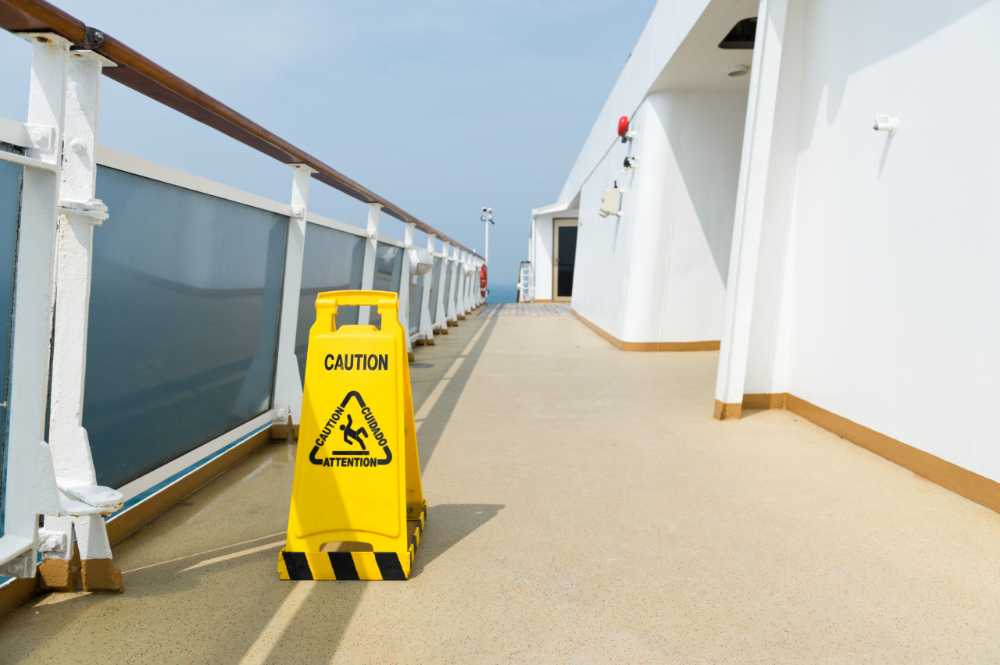
You can sue a cruise ship if you’re injured in a fall onboard. When there is a fall hazard—something that causes a slip or trip—and you suffer injuries, the cruise company might be legally responsible. They must provide a safe environment for passengers and workers alike. If you fell on a cruise, you will want...
 Aldi Slip and Fall Injury Lawyer Tallahassee
Aldi Slip and Fall Injury Lawyer Tallahassee: Slip and Fall Accidents in Florida’s Capital City Tallahassee’s Aldi stores serve a unique blend of shoppers including university students, state employees, long-time residents, and families across Leon County. With locations such as Aldi Tallahassee on Apalachee Parkway, Aldi Tallahassee North on Capital Circle NE, and Aldi West...
 Why Slip and Fall Accidents Typically Signal Negligence
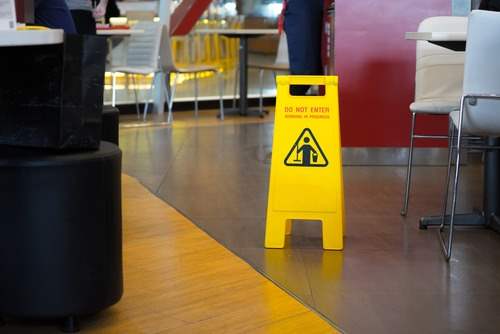
When accepting visitors onto the premises, property owners are held to a high duty of care to ensure that guests and visitors are not injured by hazardous conditions. For example, let’s say that a small child spilled their drink in a grocery store. The store should have workers continuously monitoring the premises to quickly address...
 What Should I Do if I Slip and Fall at a Hilton Hotel?
An accidental fall can leave you with significant injuries, medical expenses, and other losses. If you slip and fall at a Hilton hotel, you should take steps to prove financial liability and recover damages. Get medical care immediately and stick to your prescribed treatment plan. You should also gather evidence at the accident scene if...