
As of June 2022, there were 341 Walmarts in Florida. These stores aim to provide customers with anything they could need for their home or business. Unfortunately, sometimes they only provide risky environments that could result in a slip and fall accident.
Walmart is a major corporation that is supported by powerful law firms. The company could work to deny you the compensation you deserve if you slip and fall at a store. However, you could get help securing fair treatment by working with the Law Offices of Chalik & Chalik.
Our team of injury lawyers for slip and fall accidents at Walmart in Florida can work on your claim right away. Let us go over your legal options and start focusing on securing you full compensation for your medical expenses and other losses.
Slip and Fall Risks at Walmarts in Florida That Could Have Harmed You
Most Walmarts are incredibly large stores with multiple risk-factors that can result in slip and fall accidents. Customers in the store could slip and fall due to spills of:
- Water from rain or winter storms
- Liquids leaking out of carts
- Fruit falling off of shelves
- Condensation from refrigeration units
Additionally, the crowded aisles could cause a customer to slip on loose items in their path, like signs or fallen boxes.
Responsibility for Slip and Fall Accidents in Florida
Walmart has a responsibility to clean up and remove the hazards that we mentioned above. This responsibility is called their “duty of care.” In Florida, duty of care means that property owners must:
- Clean up potential hazards quickly
- Put up warnings for hazards they cannot immediately resolve
This means that a spill should not be allowed to remain for a lengthy period of time. If you were injured because Walmart failed to uphold its duty of care to you, you could be entitled to damages for all of your losses.
Possible Compensation Following Slip and Fall Accidents at Walmart
You could secure damages for many different losses following a slip and fall accident in Florida. Depending upon your situation, your slip and fall lawyer could work to ensure you get maximum damages to cover your:
- Current and future medical expenses
- Lost wages at work during recovery
- Lost earning potential due to injuries
- Pain, suffering, and mental anguish
Note that your lawyer will need to demonstrate that your injuries and other losses were caused by your slip and fall accident to secure you fair compensation. The team at the Law Offices of Chalik & Chalik are ready to start building your case right now.
What Our Firm Serving Florida Could Do for You After a Slip and Fall Accident
Our team is ready to do everything necessary to secure damages for you. This could include:
Moving Your Case Forward
We will file your case and move it forward steadily. We will handle all paperwork, communications, and meetings necessary to move towards a resolution. These day-to-day responsibilities can be time-consuming, but Chalik & Chalik Injury Lawyers is up to the task.
Completing Settlement Negotiations
We may settle your case with Walmart without having to go to court. A settlement may be in your best interests for several reasons, and it may be the most direct way of securing compensation for your losses. Negotiations may be tense, though, as we will not settle for anything less than you’re entitled to.
Defending Your Rights
When victims handle their own cases, there may be many opportunities for defendants like Walmart to violate their rights. Walmart may employ expensive legal counsel that may:
- Try to persuade or intimidate you into accepting a poor settlement offer
- Suggest that you are liable for your own fall
- Try to delay your case so that you will accept a quick settlement
- Play hardball during settlement negotiations
- Employ other bad-faith legal practices
Our team has experience with such tactics, and we protect clients like you from their effects. We don’t ever expect cases to be easy, but we have a great responsibility to each of our clients. Our goal will be clear, and that is to win the compensation you deserve.
Get Compensation With a Law Firm You Can Trust
Jason and Debi Chalik have experience helping clients in your situation secure the compensation they need to move forward with their lives. The Chaliks have secured fair settlements in slip and fall cases throughout Florida and they’re ready to start working for you now.
How Chalik & Chalik Injury Lawyers Has Helped Its Clients
Clients throughout Florida have turned to our firm for legal help. Those who slip, fall, and suffer injuries deserve justice but may not be able to handle their own case. Our clients often have time constraints, no legal experience, and injuries that deter them from handling their own cases.
We are more than willing to handle your case—from your initial consultation until its conclusion. Our team of attorneys and paralegals have secured many case results, including:
- A $22.1 million settlement for a client who suffered a traumatic brain injury, an injury many fall victims experience, per the Centers for Disease Control and Prevention (CDC)
- A $6.5 million settlement for another client who suffered a catastrophic injury because of someone else’s negligence
- A $5 million verdict for a client with a catastrophic injury
Chalik & Chalik Injury Lawyers does Not Charge Upfront Costs
The Law Offices of Chalik & Chalik won’t accept any payment for legal fees unless they bring you the compensation you deserve. Anyone can afford to hire us. Our firm doesn’t require you to pay any upfront fee when you hire us, nor do we charge by the hour. We simply ask that you agree to grant us a percentage of any settlement or judgment we secure for you.
This contingency-fee arrangement allows you to hire us no matter what your financial circumstances are. Your ability to access legal care shouldn’t be determined by your bank account. We take cases because victims like you deserve justice—it really is that simple.
You Have a Limited Time to File a Lawsuit for Slip and Fall Injuries
Florida Statutes § 95.11(3)(a) allows you to file a premises liability claim if you are injured in a slip and fall accident. You only have two years to file this claim, so it is important you move quickly. Four years may seem like a lot of time. However, you should act promptly to protect your case for compensation.
Waiting for a period of years before filing your premises liability claim can make it more difficult to gather the evidence to show that Walmart violated their duty of care towards you, so call us now.
Speak with a Legal Professional After a Slip and Fall Accident in Walmart
You can get the professional help you need if you slipped and fell in Walmart. The Law Offices of Chalik & Chalik are here for you. Call and you can speak with our injury lawyers for slip and fall accidents at Walmart in Florida.
We’ll even offer you a free consultation so you can get answers about your claim today. Let us go over all of your legal options right now. We’re ready to stand up to Walmart for you today.

How the Open and Obvious Defense Could Affect Your Ft Lauderdale Fall Claim If you slipped and fell on someone else’s property in Ft Lauderdale, you may expect the property owner to take responsibility, but the defense they raise could change everything. One of the most common strategies property owners and insurers use in Florida...

Your Rights After a Shopping Center Accident with a Slip and Fall Attorney in Ft Lauderdale Yes, you can sue for a slip and fall at Ft Lauderdale shopping centers, but Florida law requires proving the business knew or should have known about the dangerous condition that caused your fall. If you’re dealing with painful...
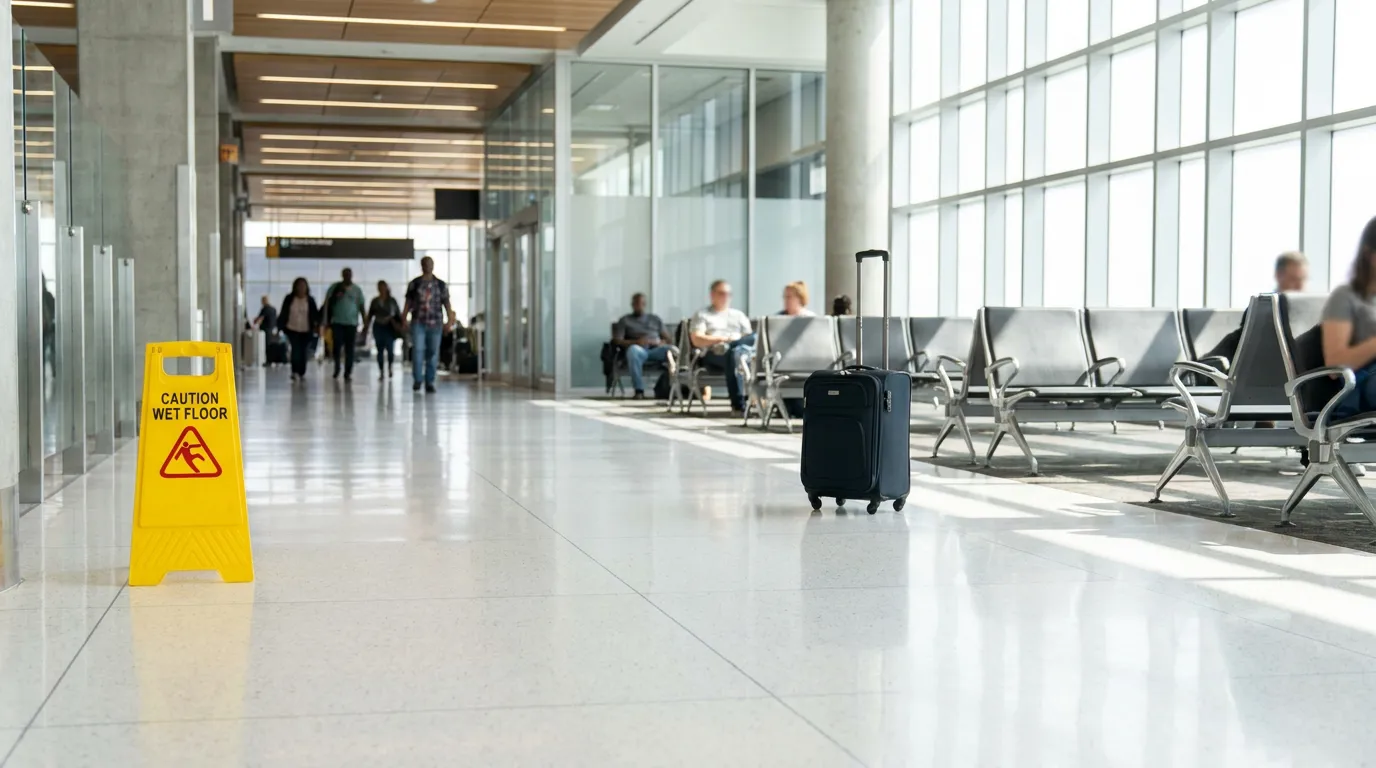 What Duty of Care Does Miami Airport Owe Travelers on Wet Floors?
Understanding Your Rights After a Fall at Miami International Airport Key Takeaways: Miami International Airport and businesses within it owe travelers, classified as business invitees, a high duty of care to maintain safe walkways and warn of hazards. Under Florida’s transitory foreign substance statute, Fla. Stat. § 768.0755, injured travelers must prove the establishment had...
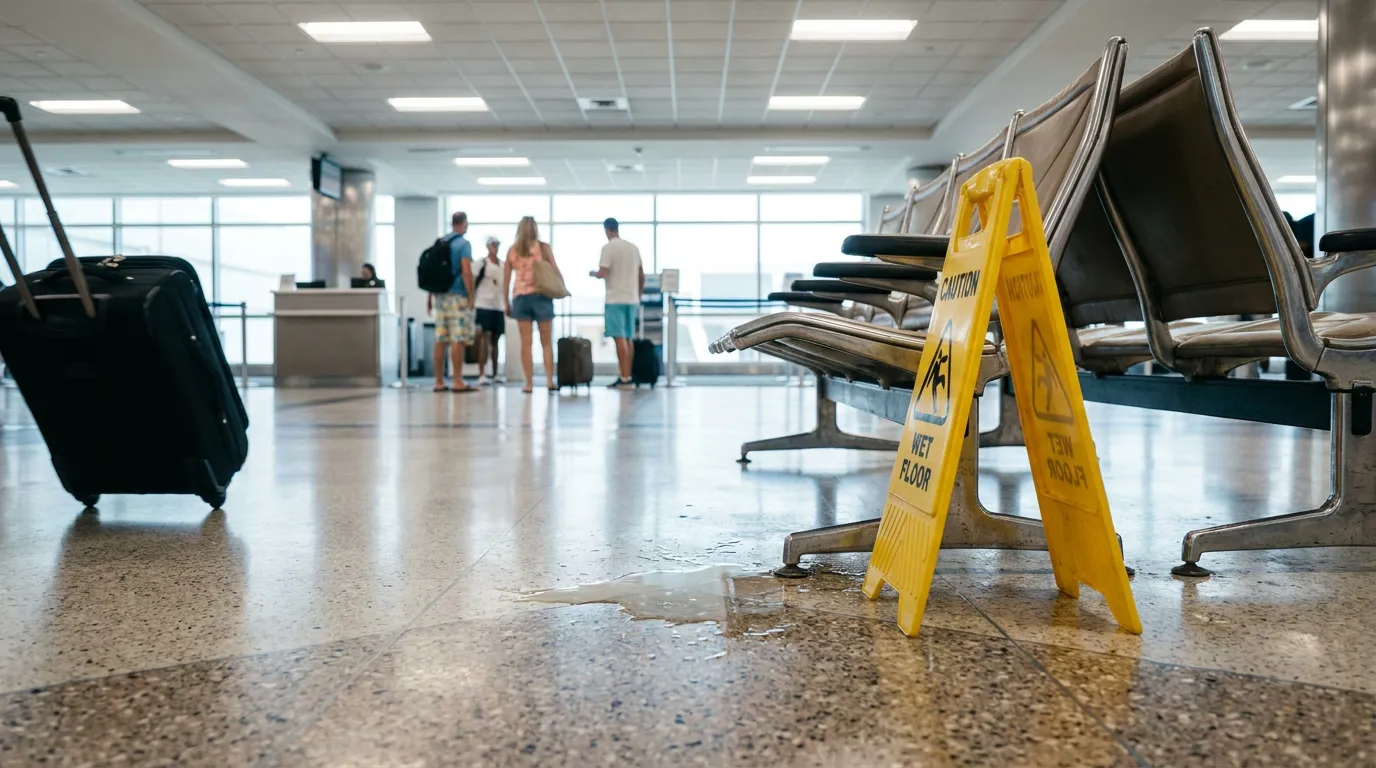 How to Build a Strong Miami Airport Slip and Fall Injury Claim
When a Terminal Stumble Turns Into a Legal Fight Key Takeaways: Building a strong Miami International Airport slip and fall claim requires proving the property operator breached its duty of care to you as a lawful "invitee," the category owed the highest protection under Florida law. The central challenge is showing the business had actual...

The cost of your medical bills and the financial value of your pain and suffering are two separate parts of an insurance claim or personal injury lawsuit. If you are injured in a car crash, trip and fall accident, or any other type of accident, you can collect compensation from the person responsible for the...

What you do after a fall in a supermarket may affect your legal options, if the fall was the result of another’s negligence. The most important things to do after you slip and fall in a South Florida supermarket are to check yourself for injuries and protect a potential claim by reporting your accident. Protect...

If you slip and fall at a La Quinta Inn, you should get the medical care you need and then take the necessary steps to protect your rights. Proving that a La Quinta Inn employee or owner’s negligence caused your accident is essential to building a persuasive compensation claim. Suffering injuries on someone else’s property...

In slip and fall accident cases, the state of Florida requires claimants to prove that the property owner did not take reasonable precautions to prevent their injury. Because many people do not have a working knowledge of premises liability laws, they elect to work with a personal injury lawyer. Some of the services that these...