
Yes, cruise passengers who suffer pool or spa injuries onboard generally have the right to pursue legal claims against the cruise line under maritime law. Slippery pool decks, poorly maintained hot tubs, broken drain covers, inadequate supervision, and malfunctioning water features can all lead to serious harm. Congressional testimony has confirmed that "criminal victimization, accidental injury, epidemic outbreaks of disease occur with regularity" aboard cruise ships, with pool and spa areas being frequent injury sources. If you or a loved one sustained injuries in a cruise ship pool or spa, understanding your legal options is critical.
If you were hurt on a cruise ship departing from Fort Lauderdale or anywhere else, Chalik & Chalik Injury Lawyers can help you understand your rights. Call 954-476-1000 or reach out to our team online to discuss your situation.
Why Pool and Spa Injuries on Cruise Ships Are More Common Than You Think
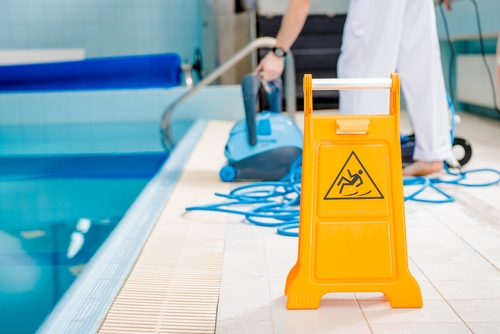
Cruise ships carry thousands of passengers through environments combining water, motion, and crowded recreational spaces. Pool decks become slippery from splashing and heavy foot traffic. Hot tubs may lack proper temperature regulation or warning signage. Drain systems can create dangerous suction hazards, particularly for children. The U.S. Department of Transportation publishes cruise line incident reports quarterly, providing public records that underscore safety concerns. Despite the vacation atmosphere, cruise lines owe passengers a duty of reasonable care.
Common pool and spa injuries include slip-and-fall accidents, near-drowning incidents, chemical burns from improperly treated water, and lacerations from broken tiles or equipment. Children and elderly passengers face elevated risk in these environments.
💡 Pro Tip: If you are injured in a cruise ship pool or spa, photograph the scene immediately. Capture the pool deck condition, any missing signage, broken equipment, and your visible injuries before the cruise line alters the area.
Proving Cruise Ship Negligence Florida Courts Recognize
To succeed in a cruise ship injury claim, a passenger must prove four elements: duty, breach, causation, and damages. Under general maritime law, cruise lines owe passengers a duty of reasonable care to maintain safe conditions and warn of known dangers. A breach occurs when the cruise line fails to meet that standard, such as neglecting to clean a slippery pool deck or failing to repair a broken spa jet.
Duty and Breach in Pool and Spa Cases
Courts consider whether the cruise line knew or should have known about the dangerous condition. This "notice" can be actual (a crew member saw the hazard) or constructive (the hazard existed long enough that reasonable inspection would have revealed it). Proving notice is often the most contested element in spa injury cases.
Causation and Damages
You must demonstrate that the cruise line’s negligence directly caused your injury and that you suffered real, compensable harm. Medical records, witness statements, and incident reports from the ship’s medical center all serve as critical evidence. Damages may include medical expenses, lost wages, pain and suffering, and loss of enjoyment of life.
💡 Pro Tip: Always visit the ship’s medical center and request a copy of your treatment records before disembarking. Cruise lines sometimes limit access to onboard medical documentation after the voyage ends.
Where Your Cruise Injury Lawsuit May Be Filed
One of the most important aspects of a cruise injury case is where you can file suit. Under general maritime principles and the "saving to suitors" clause of 28 U.S.C. § 1333, maritime tort claimants may generally choose a state or federal forum. However, your cruise ticket fine print may override that choice. The U.S. Supreme Court held in Carnival Cruise Lines, Inc. v. Shute (1991) that forum selection clauses in cruise tickets are presumptively enforceable when fundamentally fair.
Major cruise lines like Carnival require all disputes to be litigated before the U.S. District Court for the Southern District of Florida in Miami. These federal forum provisions are neither authorized nor required by any government regulation, statute, or treaty. For passengers who sailed from Fort Lauderdale’s Port Everglades, this often means your case will be heard in federal court in nearby Miami. An experienced cruise ship accident lawyer in Ft Lauderdale can help you understand how your ticket’s forum clause affects your options.
💡 Pro Tip: Read your cruise ticket contract before your voyage, paying close attention to the forum selection clause and filing deadlines. Many passengers only discover these restrictions after an injury occurs.
Understanding Damage Limitations and the Role of DOHSA
The location of your injury matters significantly when determining what compensation you can recover. The Death on the High Seas Act (DOHSA) applies only to wrongful death claims and limits survivors to pecuniary (economic) damages for deaths occurring beyond three nautical miles from shore, excluding noneconomic damages like pain and suffering. For non-fatal pool and spa injuries, general maritime law governs regardless of location and generally permits recovery of both economic and noneconomic damages. A detailed discussion of DOHSA’s limitations appears in the Florida Bar Journal’s analysis of the Act.
For injuries occurring while a ship is docked at Port Everglades or within three nautical miles of the Florida coast, passengers may have access to additional state law remedies alongside general maritime law. Injuries sustained on the open ocean are governed exclusively by general maritime law. In the rare event that a pool or spa incident results in a fatality on the high seas, DOHSA’s restriction to pecuniary damages may significantly limit compensation.
| Factor | Injury Within 3 Nautical Miles | Injury Beyond 3 Nautical Miles |
|---|---|---|
| Governing Law | State law or general maritime law may apply | General maritime law; DOHSA applies only to death cases |
| Noneconomic Damages | Generally available (pain and suffering, emotional distress) | Generally available for non-fatal injuries; may be excluded under DOHSA in wrongful death cases |
| Forum | State or federal court (subject to ticket terms) | Federal court (subject to ticket terms) |
| Statute of Limitations | Three-year federal maritime tort deadline, unless ticket shortens it | Same three-year default, unless ticket shortens it |
Critical Deadlines Every Cruise Passenger Should Know
Maritime tort claims are subject to a three-year federal statute of limitations under 46 U.S.C. § 30106, unless a contract specifies a shorter time. Most major cruise line tickets impose significantly shorter deadlines. Under 46 U.S.C. § 30526, cruise lines may contractually reduce the filing time to no less than one year and the written notice time to no less than six months.
- Notice deadline: Typically six months from the date of injury
- Suit filing deadline: Often one year from the date of injury
- Evidence preservation: Begin gathering medical records, photographs, and witness contact information immediately
- Medical documentation: Follow up with your own physicians after the cruise
💡 Pro Tip: Courts generally interpret tolling exceptions and deadline extensions narrowly in maritime cases. Do not assume that a discovery rule will automatically extend your filing period. Consult a cruise passenger injury attorney promptly.
How a Cruise Ship Accident Attorney in Ft Lauderdale Can Help Your Claim
An attorney with extensive experience in maritime injury law understands the unique procedural and substantive hurdles cruise ship injury cases present. From identifying the correct forum and applicable law to navigating contractual limitations buried in ticket fine print, legal guidance can significantly impact the outcome of your claim. Maritime law differs from standard personal injury law in important ways.
Fort Lauderdale is home to Port Everglades, one of the busiest cruise ports in the world. The Cruise Vessel Security and Safety Act of 2010 requires criminal activity to be reported to the FBI, and federal oversight of cruise ship safety continues to evolve. Visit our cruise ship accident resources for additional guidance.
💡 Pro Tip: Keep a personal written account of your injury, including what you were doing, the time it happened, whether any crew members were present, and the cruise line’s response. This contemporaneous record can be valuable evidence.
Frequently Asked Questions
1. Can I sue a cruise line if I slipped and fell near the pool on a cruise ship?
In many cases, yes. If the cruise line failed to maintain safe conditions around the pool area or post warning signs, you may have a valid negligence claim. You will need to show the cruise line knew or should have known about the hazardous condition.
2. Does it matter where the ship was located when my pool injury happened?
Yes, location can affect your claim. Injuries within three nautical miles of shore may allow access to state law remedies in addition to general maritime law. For non-fatal injuries on the high seas, general maritime law permits both economic and noneconomic damages. However, in the event of a fatality beyond three nautical miles, DOHSA may limit recovery to pecuniary damages only.
3. How long do I have to file a lawsuit after a cruise ship pool injury?
While the default federal maritime statute of limitations is three years, most cruise tickets contractually shorten this period to one year. Many tickets also require written notice of the claim within six months. Courts interpret these contractual deadlines strictly.
4. What evidence should I collect after a spa or pool injury on a cruise?
Document everything immediately. Take photographs of the scene and your injuries, visit the ship’s medical center, collect witness contact information, and keep your cruise ticket and any incident reports. Request copies of your onboard medical records before you leave the ship.
5. Can the cruise line force me to file my lawsuit in a specific court?
Most major cruise lines include forum selection clauses in their ticket contracts requiring lawsuits to be filed in a specific federal court, often in Miami. The U.S. Supreme Court has upheld these clauses as presumptively enforceable when fundamentally fair, though an attorney can evaluate whether grounds exist to challenge the clause in your case.
Protecting Your Rights After a Cruise Ship Pool or Spa Injury
A pool or spa injury on a cruise ship can turn a dream vacation into a serious legal matter, but passengers have options. Maritime law and federal regulations provide avenues for holding cruise lines accountable when negligence causes harm. The key is acting quickly: preserving evidence, meeting strict contractual deadlines, and understanding the legal framework governing your claim.
If you suffered a pool or spa injury on a cruise ship, Chalik & Chalik Injury Lawyers is ready to evaluate your case and guide you through the process. Call 954-476-1000 or contact us today to schedule a consultation and take the first step toward the recovery you deserve.