
Understanding Who Is Responsible When You Fall Inside a Fort Lauderdale Airport
Key Takeaways:Airport contractors in Fort Lauderdale can be held liable for terminal falls depending on who controlled the area and whether they maintained it safely. Under Fla. Stat. §768.0755(2), Florida law preserves common-law duties for any party controlling premises, meaning maintenance contractors may owe you independent duties beyond the airport authority. To recover, you must prove duty, breach, causation, and damages. Falls involving transitory substances require showing actual or constructive knowledge of the hazard. Florida’s comparative fault rules under §768.81 apportion responsibility among multiple parties, though being more than 50 percent at fault bars recovery under modified comparative negligence. Sovereign immunity under §768.28 affects government entity claims. Enhanced damages of up to three times compensatory losses may apply against unlicensed contractors under Fla. Stat. §768.0425(2). Strict deadlines make prompt action and evidence preservation essential.
Yes, airport contractors can be held liable for terminal falls in Fort Lauderdale, depending on who controlled the area and whether they failed to maintain it safely. Fort Lauderdale-Hollywood International relies on maintenance companies, cleaning crews, and contractors to keep terminals functioning. When one of those parties creates or ignores a dangerous condition, an injured traveler may have a valid claim. The key question is who had a duty of care over the specific hazard that caused the fall.
If you were injured and want to understand your options, the team at Chalik & Chalik Injury Lawyers is ready to help. Call us at 954-476-1000 or reach out through our online case review request to discuss your situation.
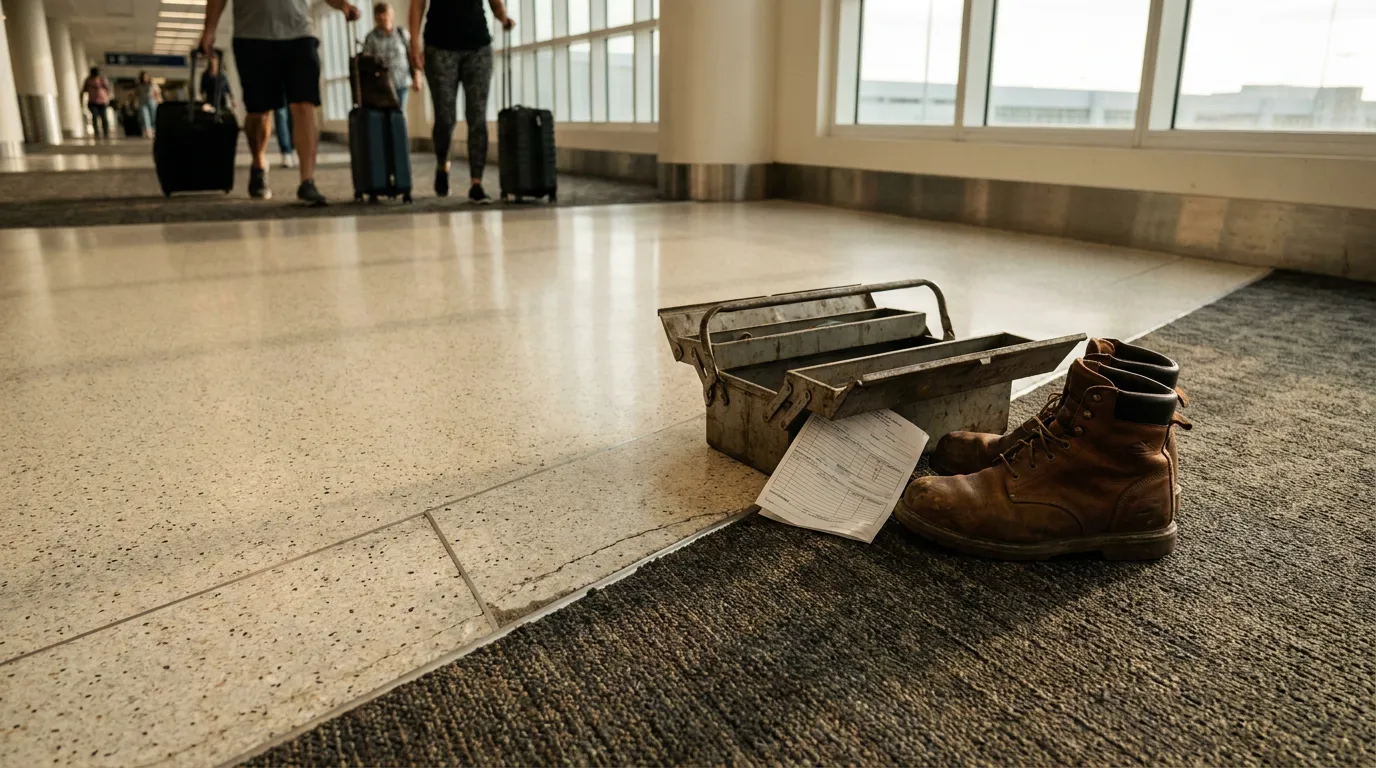
How Florida Premises Liability Law Applies to Airport Falls
💡 Pro Tip: After a fall, ask an airport representative for the name of the company responsible for maintaining or cleaning the area where you were hurt. That detail can help identify the correct defendant later.
Florida premises liability law holds property owners and occupiers responsible for injuries caused by unsafe conditions on their premises. When a party controlling property fails to maintain it and someone gets hurt, premises liability applies. This matters at airports because dozens of entities may share responsibility for different terminal sections.
Importantly, liability does not attach only to the airport owner. Under Fla. Stat. §768.0755(2), Florida law preserves common-law duties of care owed by any person or entity in possession or control of a business establishment. A maintenance contractor controlling a specific hazard can owe you a legal duty independent of the airport authority.
The scope of duty depends on your legal status as a visitor. Airport passengers are generally treated as invitees, the category owed the highest duty of care. According to premises liability principles discussed in resources on inadequate maintenance claims, property owners must regularly inspect for hidden dangers, repair them, and provide adequate warning of uncorrected hazards. A contractor in that maintenance role assumes similar responsibility.
Common Hazards That Lead to Terminal Falls
Many airport falls trace back to structural defects or faulty equipment resulting from poor upkeep. These are conditions a maintenance contractor may be hired to prevent, monitor, or repair. When they fail, a fall injury claim may follow.
Typical terminal hazards include:
- Uneven flooring, decaying stairs, and loose handrails
- Malfunctioning escalators, elevators, or automatic doors
- Spilled liquids, wet tile, and loose carpeting near gates or food courts
- Poorly marked construction zones or maintenance areas
💡 Pro Tip: Photograph the hazard from multiple angles before airport staff clean it up. Transitory substances like spilled coffee disappear quickly, and early photos preserve critical proof.
What You Must Prove to Hold a Contractor Liable
To succeed in a premises liability lawsuit, you must prove four elements: duty, breach, causation, and damages. Duty refers to the legal obligation to keep the area reasonably safe. Breach means that obligation was violated, often through actual or constructive notice of a hazard. Causation links the breach to your injury, and damages reflect your losses.
Florida imposes a specific burden for falls involving a transitory foreign substance. Under Fla. Stat. §768.0755(1), you must prove the establishment had actual or constructive knowledge of the dangerous condition and should have taken action to remedy it. Review the Florida transitory substance statute for the exact language courts apply.
Constructive knowledge is often proven with circumstantial evidence. Under Fla. Stat. §768.0755(1)(a)-(b), you may show either that the condition existed long enough that the business should have known about it through ordinary care, or that it occurred with foreseeable regularity. Inspection logs, cleaning schedules, and security video become valuable. If a contractor skipped required inspections, that gap can support your claim.
💡 Pro Tip: Request that the airport and any identified contractor preserve surveillance footage in writing immediately. Video is frequently recorded over within days or weeks.
The Role of Evidence and Expert Witnesses
Building a strong terminal fall claim depends on evidence you gather early. Incident reports, 911 records, medical records, witness statements, and security video help establish what happened and who was responsible. For immediate steps, our overview of what to do after being injured at an airport walks through actions that protect your rights.
In contested cases, testimony from qualified professionals can clarify technical questions. Engineers may explain why flooring was unreasonably slick, and safety consultants may describe industry-standard inspection practices. These witnesses help a jury understand whether a contractor’s conduct fell below reasonable care requirements.
Sorting Out Multiple Responsible Parties at the Airport
When several parties share control over a property, more than one may bear responsibility for a fall. Florida focuses on apportioning fault among everyone who contributed to the injury.
Florida uses comparative fault to allocate responsibility. Under Fla. Stat. §768.81, the trier of fact considers the fault of all persons who contributed to the injury, and the court enters judgment against each liable party based on its percentage of fault. A jury may assign percentages to the airport operator, a maintenance contractor, a retail vendor, and the injured person. For negligence actions filed on or after March 24, 2023, Florida follows modified comparative negligence: your recovery is reduced by your share of fault, but if you are more than 50 percent at fault, you are barred from recovering any damages.
Because a public airport may involve a governmental entity, sovereign immunity rules can affect recovery. Fla. Stat. §768.28 waives sovereign immunity in tort actions but sets recovery limits against government entities. When a private contractor works alongside a government-operated terminal, determining which defendant fits which rule becomes central to the case.
| Potential Party | Typical Basis for Liability | Governing Consideration |
|---|---|---|
| Maintenance contractor | Failure to inspect, clean, or repair | Common-law duty under §768.0755(2) |
| Airport authority | Control of premises; notice of hazard | Possible sovereign immunity under §768.28 |
| Retail or food vendor | Spills or hazards in leased space | Premises liability under §768.0755 |
| Injured visitor | Share of comparative fault | Apportionment under §768.81 |
💡 Pro Tip: Do not assume only one party is at fault. Identifying every entity with control over the hazard can significantly strengthen your claim.
Contractor Licensing and Enhanced Damages
Florida law addresses contractor liability directly through a dedicated statute. Fla. Stat. §768.0425 governs damages in actions against contractors for injuries sustained from negligence, malfeasance, or misfeasance. This provision is relevant when evaluating whether an airport contractor can be held accountable for a terminal fall.
The statute enhances damages against unlicensed contractors. Under Fla. Stat. §768.0425(2), an injured consumer may be entitled to three times the actual compensatory damages sustained, plus costs and attorney’s fees, if the contractor is neither state-certified nor locally licensed. Whether this enhancement applies depends on the contractor’s licensing status and specific facts.
Why Timing Matters for a Terminal Fall Injury Claim
Florida sets strict deadlines for filing personal injury lawsuits, and missing them can bar your claim entirely. The general statute of limitations for negligence-based personal injury actions is governed by Florida statutory law, and courts interpret exceptions narrowly. Tolling and discovery rules may extend deadlines only in limited circumstances.
Claims against a governmental entity carry separate procedural requirements. Administrative notice deadlines under Fla. Stat. §768.28 are distinct from the civil statute of limitations and can be shorter. Because a fall at a public airport may implicate both private contractors and government defendants, applicable deadlines vary depending on who you sue. Acting promptly protects your ability to pursue every potentially responsible party.
Working with an experienced airport slip and fall attorney Ft. Lauderdale residents trust can help you meet these deadlines. An attorney can identify correct defendants, preserve evidence, and evaluate how comparative fault and sovereign immunity may affect your case. Speaking with a knowledgeable Fort Lauderdale airport accident lawyer early can make a meaningful difference.
💡 Pro Tip: Calendar your potential deadlines conservatively. Waiting until the last moment leaves little room to investigate a complex, multi-party airport claim.
Frequently Asked Questions
-
Can I sue a contractor instead of the airport itself?
Yes. Under Fla. Stat. §768.0755(2), any entity in possession or control of the premises may owe a duty of care. If a contractor controlled the hazardous area, that company may be a proper defendant. -
What if I was partly at fault for my own fall?
Florida applies modified comparative negligence under Fla. Stat. §768.81. Your recovery is reduced by your percentage of responsibility. If you are more than 50 percent at fault, you are barred from recovering damages. -
How do I prove the contractor knew about the hazard?
You may show actual or constructive knowledge. Under Fla. Stat. §768.0755(1)(a)-(b), constructive knowledge can be established by evidence that the condition existed long enough to be discovered or recurred with foreseeable regularity. -
Does it matter if the contractor was unlicensed?
Yes. Under Fla. Stat. §768.0425(2), an injured consumer may recover three times actual compensatory damages plus costs and fees if the contractor was neither certified nor licensed. -
How long do I have to file a claim?
Deadlines vary by defendant. Claims against government entities under Fla. Stat. §768.28 may involve shorter notice requirements than standard civil claims, so prompt action is important.
Protecting Your Rights After a Fort Lauderdale Terminal Fall
Holding an airport contractor liable for a terminal fall requires careful attention to duty, breach, causation, and damages. Florida premises liability law, comparative fault rules, sovereign immunity limits, and contractor-specific statutes all shape whether and how you recover. Because these cases involve multiple parties and short deadlines, understanding your legal position early gives you the best chance to preserve evidence and protect your claim.
If you or a loved one was hurt at a Fort Lauderdale-area airport, do not wait to get answers. The team at Chalik & Chalik Injury Lawyers is prepared to review what happened and explain your options. Call us today at 954-476-1000 or send us the details through our confidential contact form to take the first step toward protecting your rights.


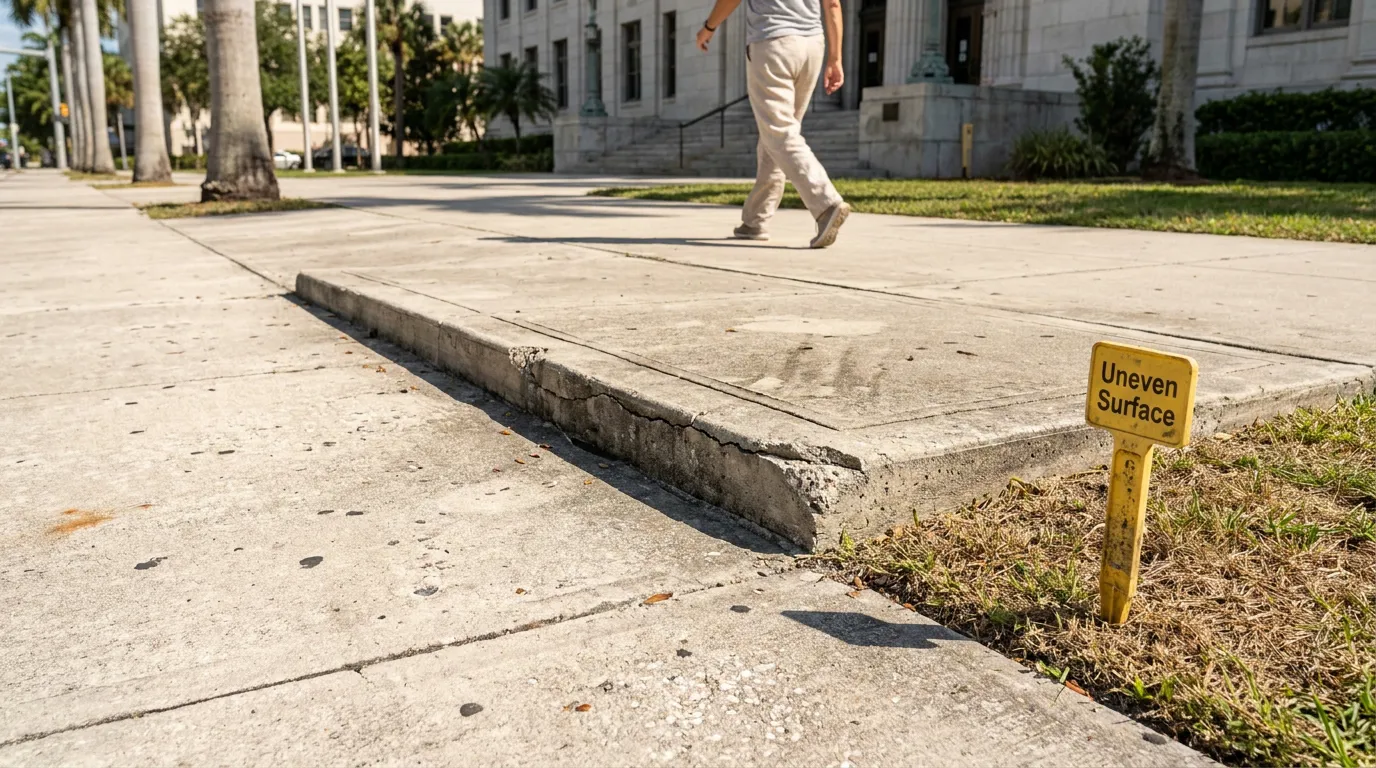 Can a Miami Slip and Fall Victim Sue a City Without Filing a Notice of Claim?
Understanding Your Rights After a Government Slip and Fall in Miami Key Takeaways: A Miami slip and fall victim generally cannot sue a city without first filing a written pre-suit notice of claim under Fla. Stat. § 768.28(6)(a). This notice must reach the correct agency within three years of when the claim accrues. After filing,...

Tiger Woods is facing a slip-and-fall case filed by one of his former security guards, John Davis, who is also a retired police officer. While guarding Woods’ mansion in Jupiter Island, Florida on December 23, 2010, Davis slipped and fell on a marble walkway. As a result of the fall, Davis, who resides in Miami,...

When you go to a restaurant to eat, you often don’t think about the dangers that restaurants present. You are often hungry and want to get to your seat as fast as possible, and you may not be looking for dangerous flooring conditions, such as uneven ground, ripped or torn carpet, and spilled liquid. In...

How the Open and Obvious Defense Could Affect Your Ft Lauderdale Fall Claim If you slipped and fell on someone else’s property in Ft Lauderdale, you may expect the property owner to take responsibility, but the defense they raise could change everything. One of the most common strategies property owners and insurers use in Florida...

Yes, if the city has the responsibility for maintenance and owns the portion of the sidewalk on which you slipped and fell and suffered injuries. If another entity (such as a private property owner, or condo or homeowner association) owned the sidewalk or was responsible for its maintenance, you may have to file a claim...

In a slip and fall accident case, medical records serve as vital evidence to support a compensation claim. Your medical records will document your injuries and treatments, establish a link between the accident and your injuries, and help the insurance company and your lawyer determine how much compensation you deserve to recover. A Fort Lauderdale...

If you slip and fall in a grocery store, you should immediately notify the manager on duty and ask them to call 911 if you need emergency medical assistance. Do not make assumptions about your injuries, either. Report the incident to the store manager and see a doctor. You may even call the police to...

You may sue an airport for falling if you suffered injuries and have resulting expenses and losses. When a fall occurs, it is generally because of a preventable hazard. The property owner or another entity in charge of maintaining the property has an obligation to keep the area free from hazards. Your Florida slip and...