
What to Know After a Fall at a Baggage Claim in Fort Lauderdale Airport
A fall at the Fort Lauderdale airport baggage claim becomes a legal matter only when the facts support a premises liability claim. Baggage claim areas see heavy foot traffic, spilled drinks, dripping luggage, slick tile, and crowded carousels, all of which can create hazards. Whether you have a viable case depends on the specific facts, the party in control of the area, and how quickly you act to protect your rights.
Key Takeaways:A fall at Fort Lauderdale airport baggage claim can be grounds for a claim if you can show negligent property maintenance under premises liability law. Because the airport is government-operated, you must prove the four negligence elements: duty, breach, causation, and damages. A key hurdle is establishing actual or constructive knowledge of the hazard under Fla. Stat. § 768.0755. Deadlines are strict, and claims against government entities require written pre-suit notice under Florida’s sovereign immunity law. Expect defenses such as comparative fault, the open and obvious doctrine, and lack of notice. Preserving evidence quickly and seeking legal guidance early are essential.
If you were hurt while collecting your luggage, the team at Chalik & Chalik Injury Lawyers is ready to review what happened. Call 954-476-1000 or reach out through our online contact form to discuss your situation.

The Premises Liability Rules Behind Airport Falls
Premises liability is the legal foundation for nearly every airport fall claim in Florida. This area of law focuses on the responsibility of the party controlling a space to keep it reasonably safe for visitors. For Fort Lauderdale-Hollywood International Airport, several parties may share control, including the airport operator, airlines, and cleaning or maintenance contractors.
Liability in these cases is not automatic simply because a fall occurred. The core question is whether someone breached a legal duty. Liability is based on negligence, meaning a party can be held responsible if they failed to meet their duty to keep the property reasonably safe, and that failure directly caused the injury. You can review the broader framework through this overview of premises liability law, though the controlling rules come from Florida statutes and courts.
💡 Pro Tip: Take photographs of the hazard, the surrounding area, and your injuries before airport staff clean up or cordon off the scene. This early evidence can be difficult to recreate later.
Your Status as an Invitee at Baggage Claim
Most travelers in a baggage claim area qualify as invitees, the visitor category owed the highest level of care. An invitee is owed the highest level of protection, which generally includes customers and people on property held open to the public. The owner must use reasonable care to maintain the premises, including inspecting for dangers, correcting hazards, and warning of non-obvious dangers. As someone lawfully present in a public terminal, you generally fall into this protected group.
The Florida Statute That Governs Slip-and-Fall Cases
Florida law imposes a specific evidentiary burden for slip-and-fall injuries in business establishments. Under Fla. Stat. § 768.0755, an injured person who slips on a transitory foreign substance must prove the establishment had actual or constructive knowledge of the dangerous condition and should have taken action to remedy it. That statute sits within Chapter 768 of the Florida Statutes, which addresses limitations on premises liability. Importantly, Fla. Stat. § 768.0755(2) provides that the section does not affect any common-law duty of care owed by a person or entity in possession or control of a business premises.
How an Airport Slip and Fall Attorney Ft. Lauderdale Proves Negligence
Proving negligence generally requires establishing four connected elements. These elements form the backbone of a Florida airport injury claim, and each must be supported with evidence. To have a valid claim, an injured traveler must prove: duty of care, breach of that duty, causation, and damages. Falling short on any one can weaken or defeat a case.
Constructive knowledge is frequently the most contested element in a baggage claim fall. The operator will often argue it had no time to discover or fix the hazard. Constructive knowledge may be established with circumstantial evidence that the hazard existed long enough that the business, using ordinary care, should have known about it, or that it occurred regularly and was foreseeable. Under Fla. Stat. § 768.0755(1), that evidence can show the condition existed for such a length of time that the establishment should have known of it, or that the condition occurred with regularity.
The Four Negligence Elements at a Glance
-
Duty of care: The airport or controlling party owed you an obligation to maintain a reasonably safe environment.
-
Breach: That party failed to inspect, warn, or remedy a known or knowable hazard.
-
Causation: The breach directly caused your fall and resulting harm.
-
Damages: You suffered actual losses, such as medical bills, lost income, or pain.
💡 Pro Tip: Ask the airline or airport whether an incident report was created and request a copy. Surveillance footage is often overwritten within days, so a preservation request should be sent promptly.
For practical steps to take, this guide on what to do when you are injured at an airport offers useful direction. Documenting your experience carefully in the first hours can shape the strength of a later claim.
Why Deadlines Are Especially Strict for Airport Claims
Fort Lauderdale’s airport is a government-operated facility, which changes the procedure and timeline for filing. For most negligence actions in Florida, the statute of limitations is now generally two years for causes of action accruing after March 24, 2023, but a claim against a government entity carries additional pre-suit requirements before a lawsuit is allowed.
When a fall occurs on government property in Florida, sovereign immunity rules under Fla. Stat. § 768.28 generally require you to serve a written notice of claim and wait for the agency to deny the claim or for a set investigation period to pass before suing.
These government notice requirements are separate from the civil statute of limitations. A notice of claim is an administrative prerequisite, not the lawsuit itself. Under Florida law, the written notice generally must be presented within three years of the claim accruing, and failing to satisfy these conditions can bar recovery. Any potential extension, tolling, or discovery-based argument may apply only in limited circumstances and should never be assumed.
|
Type of Deadline |
General Nature |
Practical Takeaway |
|---|---|---|
|
Civil statute of limitations |
Set window to file a lawsuit |
Generally two years for negligence claims accruing after March 24, 2023 |
|
Government notice of claim |
Administrative pre-suit requirement |
Written notice generally required within three years; separate from the SOL |
💡 Pro Tip: Because government claims carry extra pre-suit steps, treat the clock as running from the day of the fall and seek guidance quickly rather than waiting to see how you heal.
Defenses the Airport or Its Insurer May Raise
Expect the opposing side to argue that the fall was your fault or unavoidable. Common defenses include comparative fault, meaning the plaintiff’s own carelessness contributed to the injury, and the open and obvious doctrine, meaning the hazard was so evident a reasonable person would have avoided it. An operator may also claim lack of notice, asserting it had no awareness of, or reasonable opportunity to fix, the hazard.
Under Florida’s modified comparative negligence system, your own share of responsibility can affect the outcome. For most negligence cases filed after March 24, 2023, a plaintiff found to be more than 50 percent at fault is generally barred from recovering, and any award is otherwise reduced by the plaintiff’s percentage of fault. Whether a puddle at a carousel was truly open and obvious, or whether staff had time to clean it, are questions that turn on specific circumstances. This is where preserved evidence and testimony from professionals with relevant technical knowledge become valuable.
Frequently Asked Questions
How long do I have to file an airport injury claim in Florida?
For negligence claims accruing after March 24, 2023, the civil statute of limitations is generally two years. However, because the airport is government-operated, additional pre-suit notice requirements apply first. These deadlines are treated strictly, so acting early is important.
Who can be held responsible for my baggage claim fall?
Liability may rest with the airport operator, an airline, or a maintenance or cleaning contractor, depending on who controlled the area and created or ignored the hazard. More than one party can share responsibility.
What if I did not notice a sign warning about a wet floor?
The presence or absence of a warning is relevant, but not always decisive. The open and obvious doctrine may be raised as a defense, though whether it applies depends on the specific facts and how the hazard was presented.
What evidence helps prove a slip and fall claim in Florida?
Photographs, incident reports, surveillance video, witness statements, and medical records all help. Establishing constructive knowledge under Fla. Stat. § 768.0755 often relies on evidence showing how long the hazard existed.
Protecting Your Rights After an Airport Fall
A baggage claim fall at Fort Lauderdale airport can support a valid injury claim when negligence and proper procedure align. The law requires proof of duty, breach, causation, and damages, along with compliance with strict deadlines and pre-suit requirements that apply to government-operated facilities. Because these cases involve overlapping parties, statutory burdens, and fact-sensitive defenses, outcomes depend heavily on the details. Working with a knowledgeable Fort Lauderdale personal injury lawyer can help you understand where your case stands and how to preserve critical evidence.
If you were hurt and need a trusted airport slip and fall attorney Ft. Lauderdale travelers rely on, Chalik & Chalik Injury Lawyers is here to help. Call us at 954-476-1000 or send a message through our confidential contact page to have your questions answered and your rights protected.


Understanding Your Rights After a Slip and Fall Attorney in Plantation Can Help Yes, proving property owner negligence is essential for recovering compensation in Plantation slip and fall cases. If you’ve suffered a fall in a grocery store, restaurant, or hotel, you’re facing medical bills and missed work. Florida law requires injured victims to demonstrate...
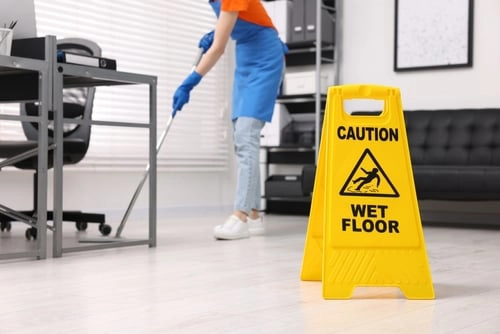 Can You Sue a Miami Business After Slipping on Wet Floors?
When Wet Floors Lead to Serious Injuries: Your Rights as a Slip and Fall Victim If you’ve slipped on a wet floor in a Miami business and suffered injuries, you may wonder whether the property owner can be held responsible for your medical bills, lost wages, and pain. Under Florida law, businesses have specific legal...
 What Should You Do After a Slip and Fall in Ft Lauderdale?
What Should You Do After a Slip and Fall in Ft Lauderdale? A slip and fall accident can happen in seconds, but the steps you take immediately afterward can determine whether you receive fair compensation for your injuries. Whether you’ve fallen at a grocery store, restaurant, hotel, or shopping mall in Ft Lauderdale, knowing what...
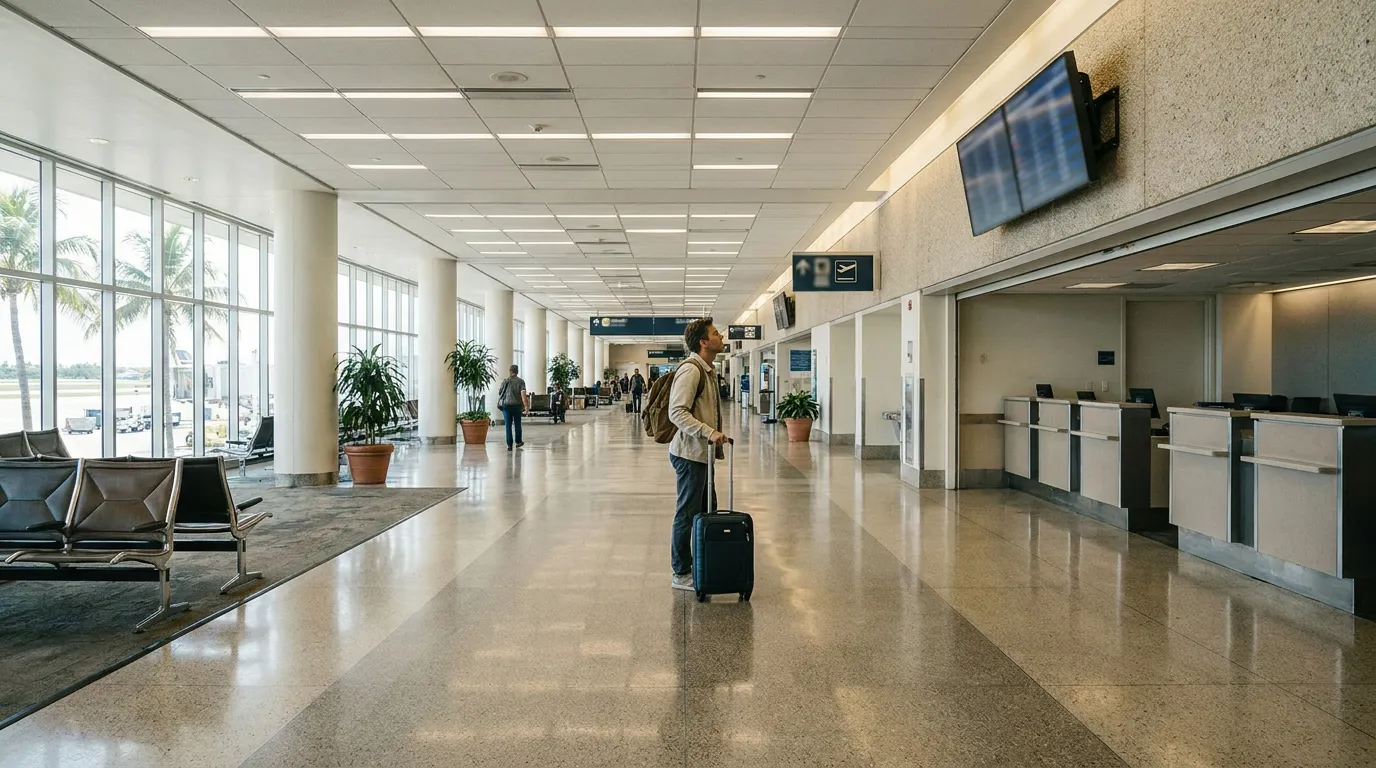 Can Airlines Be Held Liable for a Miami Airport Terminal Fall?
Understanding Your Rights After a Fall at Miami International Airport Key Takeaways: An airline can be held liable for a fall inside a Miami airport terminal, but liability depends on who controlled the space and whether they maintained it safely. Because responsibility follows control, airlines leasing gate areas or jet bridges may share fault with...

Slip and fall accidents don’t sound dangerous, but they can cause serious harm. If you’ve been injured in a fall at a Marriott hotel due to another’s negligence, your priority should be getting the medical assistance you need. Reporting your injury to the hotel owner or manager and identifying the cause of your fall can...

You can suffer severe injuries from a slip and fall in a Publix Supermarket. A broken hip or fractured skull may hospitalize you for weeks or months, straining you both physically and financially. If the insurance company is not negotiating in good faith for a fair settlement, seeking legal action against the grocery store may...

A slip and fall is not a personal injury, but it is a type of personal injury case. If you were injured in a slip and fall accident as the result of negligence, your slip and fall injuries may be eligible for a personal injury claim. A law representative can assess your case to determine...

In slip and fall accident cases, the state of Florida requires claimants to prove that the property owner did not take reasonable precautions to prevent their injury. Because many people do not have a working knowledge of premises liability laws, they elect to work with a personal injury lawyer. Some of the services that these...