
Understanding Your Rights After a Fall in a Plantation Grocery Store
Key Takeaways:When you fall in a Plantation grocery store, liability may extend beyond the store to property owners, business operators, negligent staff employers, maintenance contractors, and occasionally government entities. Determining fault depends on who controlled the hazardous area. Under Florida law, you must prove the business had actual or constructive knowledge of the dangerous condition and failed to remedy it, often by showing the hazard existed long enough to be discovered or recurred regularly. Evidence such as surveillance footage, maintenance logs, incident reports, and witness statements is essential, so preserve it quickly. Florida’s comparative negligence rules divide fault among parties and reduce your recovery by your percentage, while being more than 50 percent at fault bars recovery in most negligence claims. Identifying all responsible parties early and consulting an attorney can strengthen your claim and expand compensation sources.
When you slip on a spilled liquid or trip over an unmarked hazard in a Plantation grocery store, multiple parties may share responsibility for your injuries. Liability is rarely automatic, and Florida law requires an injured shopper to prove that a business had actual or constructive knowledge of a dangerous condition and failed to fix it. Because determining fault depends heavily on the facts, identifying every responsible party early can significantly impact your claim.
If you were hurt shopping and are wondering who should answer for your medical bills, Chalik & Chalik Injury Lawyers is ready to help. Reach us at 954-476-1000 or request a free consultation online to discuss your options and protect your rights.
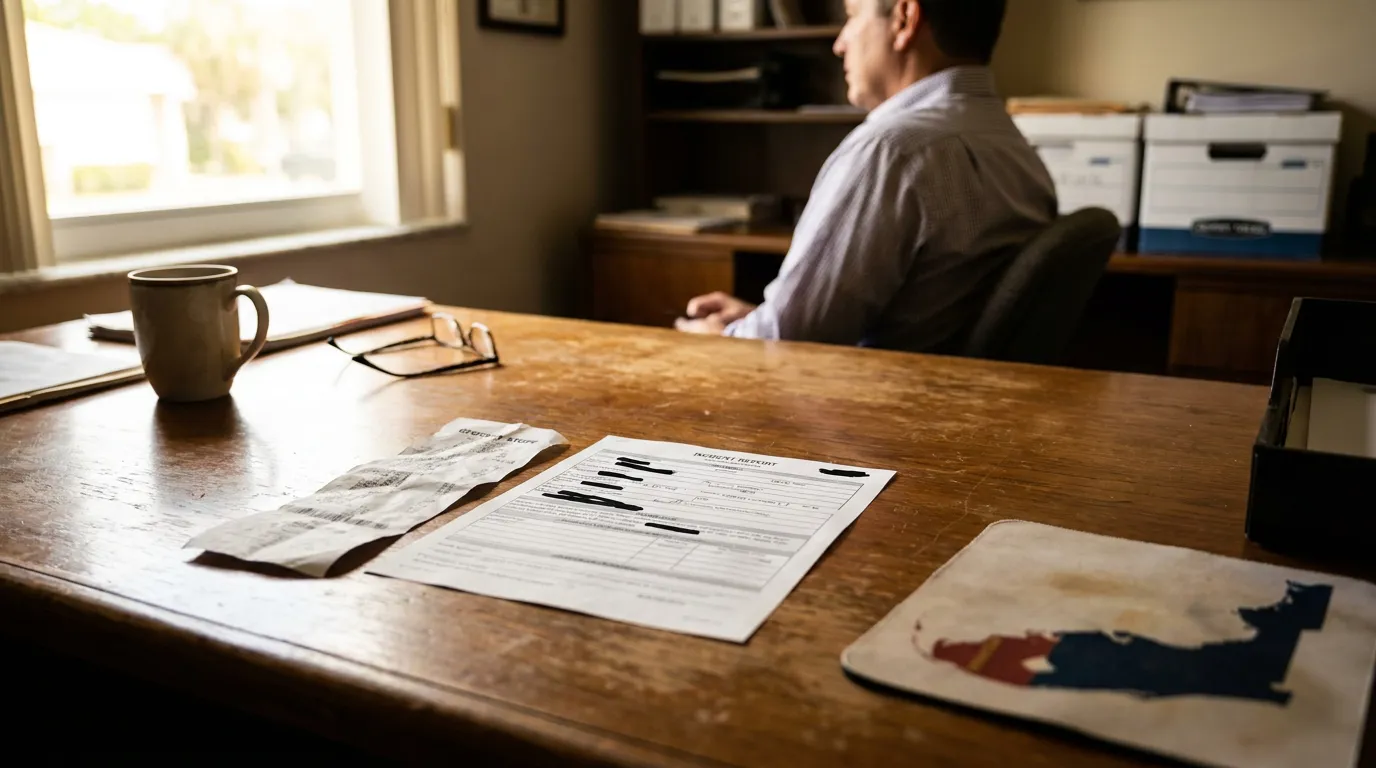
Why Premises Liability Is the Starting Point
Premises liability is the legal framework that determines whether a property owner or occupier owes you compensation after a fall. This area of law obligates those who control a property to keep it reasonably safe for lawful visitors. Our guide on premises liability in a Plantation slip and fall walks through these core principles.
Building owners and managers carry specific safety obligations that form the foundation of most grocery store fall claims. These duties include maintaining walking surfaces, keeping walkways clear, improving lighting, and displaying warning signs. When a store breaches these responsibilities, such as failing to clean a spill or post a wet-floor sign, that breach may support a premises liability claim.
💡 Pro Tip: Photograph the hazard, your injuries, and the surrounding area immediately after a fall. Surveillance footage is typically overwritten within 30 to 90 days, and in some systems as quickly as 24 hours depending on storage capacity and recording settings, so acting quickly helps preserve critical evidence.
Who Is Liable When You Fall While Shopping
More than just the store itself may be responsible for a grocery store injury. Liability depends on the circumstances and who controlled the hazardous area. Often, several parties share responsibility, and identifying each one matters because it can expand available compensation sources.
Potentially liable parties in a grocery store fall may include:
- Property owners or the entity that leases the building
- The business operator or store management running daily operations
- Employers responsible for negligent employees
- Contractors or cleaning and maintenance companies hired by the store
- Government entities, in limited circumstances involving public property
Store Operators and Property Owners
The party that controls the premises usually bears the most direct duty to keep floors safe. In a leased grocery space, both the property owner and store operator may share obligations depending on lease terms and who managed the specific area where you fell. Determining the responsible party often requires reviewing contracts and maintenance records.
Cleaning and Maintenance Contractors
Third-party contractors hired to clean or maintain a store can be held accountable when their negligence causes a hazard. For example, a janitorial company that mops without posting warnings may share fault for a resulting fall. Identifying these outside vendors early helps ensure the right defendants are named in your claim.
When the Store Blames Someone Else
A defendant store may try to shift blame onto a party not named in your lawsuit. Under Florida law, that store must formally raise the issue and prove it. A defendant must affirmatively plead the fault of a nonparty and, at trial, prove by a preponderance of the evidence the nonparty’s fault in causing your injuries. This means a store cannot simply point a finger without evidence.
💡 Pro Tip: Ask a store manager whether an incident report was completed and request a copy. This document can reveal who was responsible for the area and whether the store acknowledged the hazard.
Proving the Grocery Store Should Have Known About the Danger
The biggest hurdle in most grocery store fall cases is proving the store knew or should have known about the hazard. Florida’s slip-and-fall statute places this burden on the injured customer. Under Fla. Stat. §768.0755, if you slipped on a transitory foreign substance you must show the business had actual or constructive knowledge of that dangerous condition and failed to remedy it.
Constructive knowledge can be established in two ways under the statute. The law allows circumstantial evidence rather than proof that the store actually saw the hazard. Specifically, Fla. Stat. §768.0755 permits proof through evidence that the dangerous condition existed long enough that the business should have known of it, and evidence that the condition occurred with regularity and was therefore foreseeable.
Evidence preservation is essential to a successful claim. Maintenance logs, cleaning schedules, and surveillance footage can show how long a spill sat unattended or whether a leak recurred in the same spot. Witness statements and photographs strengthen the record, and in some situations, testing or reconstruction may help establish how a hazard developed. Review the full statutory framework in Florida’s negligence provisions under Chapter 768 of the Florida Statutes.
💡 Pro Tip: Write down the names and phone numbers of anyone who saw your fall before you leave the store. Independent witnesses can corroborate how long a hazard was present.
How Florida’s Comparative Negligence Rules Shape Your Recovery
Florida uses a comparative fault system, which means responsibility for a grocery store fall can be divided among multiple parties. Rather than making one defendant fully liable, the court apportions damages according to each party’s share of fault. Under Fla. Stat. §768.81(3), judgment is entered against each liable party based on that party’s percentage of fault.
Your own conduct can also affect how much you recover, but carelessness does not automatically end your claim. Under Fla. Stat. §768.81(2), contributory fault attributed to you proportionally reduces your damages but does not bar recovery, subject to subsection (6). For instance, if you were distracted during your fall, a portion of fault might be assigned to you while the store still answers for its share.
A significant threshold applies under Florida’s 2023 modified comparative negligence amendment. Under Fla. Stat. §768.81(6), in negligence actions other than medical malpractice, a party found more than 50 percent at fault for their own harm may not recover any damages. This makes it especially important to present strong evidence that the store’s negligence, not your conduct, primarily caused the fall. Read the apportionment provisions in the Section 768.81 comparative fault statute.
| Fault Scenario | General Effect on Recovery |
|---|---|
| Shopper 0% at fault | Full damages may be recoverable |
| Shopper partially at fault (50% or less) | Damages reduced by the shopper’s percentage of fault |
| Shopper more than 50% at fault | Recovery of damages is barred |
💡 Pro Tip: Avoid giving a recorded statement to an insurer before speaking with an attorney. Adjusters may use your words to inflate your share of fault under the comparative negligence rules.
Working With a Slip and Fall Accident Attorney Plantation Residents Trust
Handling a grocery store fall claim on your own can be difficult when a store and its insurer are working to minimize responsibility. A slip and fall accident attorney can investigate the scene, secure surveillance footage before it disappears, and gather maintenance records needed to prove constructive knowledge.
A knowledgeable slip and fall lawyer can also anticipate common insurer defenses. These may include arguments that the hazard was open and obvious, that the shopper was distracted, or that a third party caused the condition. To learn how our firm approaches these cases, visit our page for a dedicated Florida slip and fall accident lawyer. Understanding your rights under Chapter 768 is the first step, though outcomes always depend on the specific facts of your case.
Frequently Asked Questions
-
Who is responsible if I slip on a spill at a Plantation grocery store?
Responsibility can fall on several parties depending on who controlled the area. The store operator, property owner, or an outside cleaning contractor may share liability. You must show the business had actual or constructive knowledge of the hazard under Fla. Stat. §768.0755.
-
What does constructive knowledge mean in a slip and fall claim?
Constructive knowledge means the store should have known about the danger even if no employee saw it. It can be proven by showing the hazard existed long enough to be discovered or occurred with regularity and was foreseeable.
-
Can I still recover damages if I was partly at fault?
In many cases, yes, though your recovery may be reduced. Under Fla. Stat. §768.81(2), your damages are reduced by your percentage of fault, subject to subsection (6). However, under Fla. Stat. §768.81(6), being more than 50 percent at fault bars recovery entirely in most negligence claims.
-
What evidence helps prove a grocery store fall case?
Evidence showing how long a hazard existed is generally most valuable. Surveillance footage, maintenance logs, incident reports, photographs, and witness statements can all support a claim. Preserve this evidence quickly because footage is typically overwritten within 30 to 90 days (and sometimes sooner, depending on storage capacity and recording settings, even as quickly as 24 hours).
-
Do I need a lawyer for a Broward County slip and fall claim?
While the law does not require an attorney, these cases can be complex and fact-intensive. A Plantation premises liability attorney can help investigate, preserve evidence, and respond to insurer defenses. Consulting counsel early can help protect your rights.
Protecting Your Claim After a Plantation Grocery Store Fall
Determining who is liable for a grocery store fall in Plantation requires careful examination of the facts, the parties who controlled the premises, and evidence proving the store knew about the hazard. Florida law under Chapter 768 places the burden on injured shoppers, allows fault to be divided among multiple parties, and reduces or bars recovery based on your own share of responsibility. Acting quickly to preserve evidence and understand these rules can make a meaningful difference.
If a fall at a Plantation store left you injured, the attorneys at Chalik & Chalik Injury Lawyers are prepared to review your situation and pursue the responsible parties. Call us today at 954-476-1000 or reach out through our contact page to take the next step toward protecting your rights.


 What Duty of Care Does Miami Airport Owe Travelers on Wet Floors?
Understanding Your Rights After a Fall at Miami International Airport Key Takeaways: Miami International Airport and businesses within it owe travelers, classified as business invitees, a high duty of care to maintain safe walkways and warn of hazards. Under Florida’s transitory foreign substance statute, Fla. Stat. § 768.0755, injured travelers must prove the establishment had...

While taking a cruise is a life-long dream for many people, the risk of serious injury or illness is always present. Anything from food poisoning to a slip and fall can ruin a vacation and have lasting health consequences. Serious injuries are unfortunately common on cruise ships. Whether these injuries occur on board or during...

Filing a Slip and Fall Claim Against a Miami Restaurant: What You Need to Know Yes, you can file a slip and fall claim against a restaurant in Miami if unsafe conditions on the premises caused your injury. Florida premises liability law holds property owners and business operators responsible when dangerous conditions, such as wet...
 How to Prove Negligence After an Escalator Fall at Fort Lauderdale Airport
Understanding Your Rights After a Fall on an Escalator at FLL Key Takeaways: Proving negligence after an escalator fall at Fort Lauderdale-Hollywood International Airport requires establishing duty, breach, causation, and damages. Because FLL is operated by Broward County, your claim falls under Florida’s limited waiver of sovereign immunity, which remain $200,000 per person and $300,000...

A slip and fall is not a personal injury, but it is a type of personal injury case. If you were injured in a slip and fall accident as the result of negligence, your slip and fall injuries may be eligible for a personal injury claim. A law representative can assess your case to determine...

A slip and fall accident can cause serious injuries that affect your ability to work, move, and enjoy life as you did before. When you suffer harm because a property owner, business manager, or tenant failed to keep their premises safe, you have the right to seek compensation for your losses. Understanding what damages you...

If you were injured when you fell in a gym, you could sue the gym for a slip and fall accident. To sue the gym, you will have to prove they were negligent in some way and that their negligence caused your fall. A local slip and fall lawyer in Fort Lauderdale can explain the...

An accidental fall can leave you with significant injuries, medical expenses, and other losses. If you slip and fall at a Hilton hotel, you should take steps to prove financial liability and recover damages. Get medical care immediately and stick to your prescribed treatment plan. You should also gather evidence at the accident scene if...