

Can a Cruise Line Be Held Liable for Onboard Assault?
Yes, cruise lines can be held liable for onboard assault in many cases. When passengers board a cruise ship, the cruise line assumes a legal responsibility to provide a reasonably safe environment. If the cruise line fails to take adequate precautions to prevent foreseeable harm, including assaults by crew members or fellow passengers, victims may have grounds to pursue a civil claim. For passengers departing from Miami or Fort Lauderdale, understanding how both federal maritime law and Florida state law interact is essential to protecting your legal rights.
If you or a loved one has been assaulted on a cruise ship, Chalik & Chalik Injury Lawyers can help you understand your options. Call 954-476-1000 or contact us today to discuss your claim.
The Duty of Care Cruise Lines Owe Passengers
Cruise lines have a well-established legal obligation to exercise reasonable care for the safety of their passengers. This duty extends to maintaining safe conditions onboard, hiring and supervising crew members properly, and providing adequate security to prevent foreseeable criminal acts like assault. When a cruise line knows or should know about a risk of harm and fails to act, it may be considered negligent.
In Hall v. Royal Caribbean Cruises (2004), a Florida appeals court reinforced this principle. The court reversed the dismissal of a claim brought by a passenger who was over-served alcohol and subsequently fell down stairs, confirming that a cruise line has an established duty to exercise reasonable care for passenger safety. This case also highlights that cruise lines can be held liable for over-serving alcohol to passengers who sustain injuries caused by their impairment.
Negligent Security and Foreseeable Harm
One of the most common theories of liability in onboard assault cruise claims is negligent security. If a cruise line fails to provide adequate surveillance, lighting, security personnel, or response protocols in areas where assaults are foreseeable, victims may argue the cruise line breached its duty of care. Courts generally evaluate whether the cruise line had prior notice of similar incidents and whether it took reasonable steps to prevent future harm.
💡 Pro Tip: Document everything immediately after an assault onboard. Take photos of the location, request copies of any incident reports filed with ship security, and seek medical attention at the ship’s medical center. This evidence can be critical to proving your claim later.

Personal Injury Lawyer, Near You
(855) 529-0269Federal Maritime Protections for Cruise Passengers
Federal law provides important safeguards for passengers injured on cruise ships. Under federal maritime statutes, specifically 46 USC §30102, vessel owners and masters are liable for personal injury to passengers caused by failure to comply with safety regulations or known defects. This liability cannot be limited under Chapter 305 of the same title.
Federal law also prohibits cruise lines from using contract provisions to shield themselves from accountability. Under 46 USC §30527, a cruise line may not include provisions in its ticket contract that limit liability for personal injury or death caused by its negligence. Any such provision is void. Additionally, cruise lines cannot limit a passenger’s right to a trial by a court of competent jurisdiction for personal injury or death claims.
Limits on What Cruise Lines Can Put in Their Contracts
While cruise ticket contracts often contain restrictive terms, federal law sets a floor for passenger rights. Under 46 USC §30526(b), cruise lines cannot contractually shorten the notice period below six months or the filing deadline below one year. However, most major cruise lines require that claims be pursued in a very specific jurisdiction under very strict deadlines, and failure to comply can result in a complete loss of legal rights.
💡 Pro Tip: Read your cruise ticket contract carefully before and after any incident. The contract typically specifies where you must file your claim and by when. Missing these contractual deadlines, even by a single day, can bar your claim entirely.
How a Cruise Ship Accident Attorney in Miami Builds Your Case
Proving cruise line liability for assault requires establishing four key elements: duty, breach, causation, and damages. You must show that the cruise line owed you a duty of care, that it breached that duty through action or inaction, that the breach caused or contributed to the assault, and that you suffered actual damages. A cruise ship injury lawyer in Miami experienced in maritime claims can help gather the evidence needed to build this case.
Evidence in these cases may include security camera footage, witness statements, prior incident reports, crew training records, and the cruise line’s own safety policies. Demonstrating that the cruise line had notice of a dangerous condition or a pattern of similar incidents strengthens a negligence claim significantly. In assault cases involving crew members, evidence of inadequate background checks or supervision can be especially persuasive.
Fault Allocation Under Florida’s Recent Tort Reform
Florida’s 2023 tort reform law (HB 837) introduced changes that may affect how fault is allocated in cruise assault cases. The reform allows allocation of fault to criminal offenders on verdict forms in civil cases. In an assault case where both the assailant and the cruise line share responsibility, a jury may assign a percentage of fault to each party. While this does not eliminate the cruise line’s liability, it can reduce the damages a plaintiff ultimately recovers.
💡 Pro Tip: Even if the person who assaulted you bears primary responsibility, do not assume the cruise line has no liability. The cruise line’s failure to prevent the assault through reasonable security measures is a separate and actionable basis for your claim.
Click to contact Chalik & Chalik's personal injury lawyers today
Critical Filing Deadlines You Cannot Afford to Miss
Time limits for filing cruise assault claims are among the strictest in personal injury law, and missing a deadline can permanently bar your case. Under federal maritime law, a civil action for personal injury arising out of a maritime tort must generally be brought within three years after the cause of action arose (46 USC §30106). However, cruise line ticket contracts often impose shorter deadlines, typically requiring suit within one year.
Florida law imposes its own deadlines that may apply depending on the nature of your claim. For intentional torts such as assault and battery, Florida’s statute of limitations provides a four-year filing period under Section 95.11(3)(n). For negligence-based claims, such as failure to provide adequate security, the filing period is two years under Section 95.11(5)(a), following changes enacted by HB 837 in 2023 that shortened the general personal injury statute of limitations from four years to two years.
- Intentional tort claims (assault, battery): 4 years under Florida law
- Negligence claims (negligent security): 2 years under Florida law
- General maritime personal injury claims: 3 years under federal law
- Cruise line contractual deadlines: Often 1 year, with a 6-month notice requirement
💡 Pro Tip: Do not rely solely on state or federal statutory deadlines. Your cruise ticket contract may impose a much shorter filing window. Consult with a cruise ship accident attorney in Miami as soon as possible after an incident to ensure you meet every applicable deadline.
For a free legal consultation call
(855) 529-0269Damages Available to Cruise Assault Victims
Victims of onboard assault may be entitled to recover compensation for a range of losses, including medical expenses, pain and suffering, emotional distress, and lost wages. Federal law specifically addresses emotional distress in the cruise context. Under 46 USC §30527(b), cruise lines cannot limit liability for emotional distress when it results from physical injury, actual risk of physical injury due to negligence, or when the distress is intentionally inflicted by a crew member or the cruise line’s agents. Cases involving sexual harassment, sexual assault, or rape are never subject to these liability limitations.
However, Florida’s tort reform may affect the amount of medical damages you can present at trial. HB 837 limits what injured parties can present regarding medical charges. For uninsured individuals or those with Medicare/Medicaid, admissible evidence for unpaid medical bills is capped at 120% of the Medicare reimbursement rate, or 170% of the applicable state Medicaid rate if no Medicare rate exists for the service. This cap could reduce the recoverable amount for medical treatment in cruise injury cases. Working with a knowledgeable maritime injury attorney in Florida can help you understand how these changes affect the full value of your claim.
Frequently Asked Questions
1. Can I sue a cruise line if another passenger assaulted me?
Yes, in many cases you can bring a negligence claim against the cruise line. If the cruise line failed to provide adequate security or ignored warning signs of dangerous behavior, it may be liable for your injuries even though a third party committed the assault. You will generally need to demonstrate that the cruise line knew or should have known about the risk and failed to take reasonable preventive action.
2. How long do I have to file a lawsuit after a cruise ship assault?
The filing deadline depends on several factors, including the type of claim and your cruise ticket contract. Under Florida law, intentional tort claims like assault carry a four-year statute of limitations, while negligence claims have a two-year limit. Federal maritime law generally allows three years, but most cruise ticket contracts require filing within one year and notice within six months.
3. What if the assault happened in international waters?
Cruise assault claims are typically governed by maritime law and the forum selection clause in your ticket contract, regardless of where on the ocean the assault occurred. Many major cruise lines require claims to be filed in specific courts, often in Miami-Dade County, Florida. The location of the assault does not necessarily determine which court has jurisdiction.
4. Can a cruise line limit its liability for sexual assault?
No. Under federal law (46 USC §30527(b)(2)), cases involving sexual harassment, sexual assault, or rape are never subject to liability limitations. Cruise lines cannot use contractual provisions to cap or reduce their liability in cases involving sexual offenses against passengers.
Protect Your Rights After a Cruise Ship Assault
If you have been assaulted on a cruise ship, time is not on your side. Strict contractual and statutory deadlines can close the window for your claim faster than you might expect. Understanding the interplay between federal maritime law and Florida state law is essential to pursuing full compensation. Preserve all evidence, seek immediate medical attention, and review your cruise ticket contract as soon as possible. An experienced cruise ship accident attorney in Miami can evaluate your situation and help ensure your claim is filed correctly and on time. Reading about cruise passenger assault rights can also help you take the right steps early.
The team at Chalik & Chalik Injury Lawyers is ready to fight for your rights. Call 954-476-1000 or reach out online for a confidential discussion of your case.
Call or text Chalik & Chalik
(855) 529-0269 What Is a Forum Selection Clause in a Miami Cruise Case?
What Is a Forum Selection Clause in a Miami Cruise Case? When you purchase a cruise ticket, you’re entering into a complex legal contract that dictates where you can file a lawsuit if something goes wrong. Hidden in the fine print is a forum selection clause, a provision that can dramatically impact your legal rights...
 Royal Caribbean Passenger Dies Following Onboard Disruption
A Royal Caribbean cruise passenger tragically passed away following an onboard incident on December 17, 2024. Initial reports suggest the passenger was involved in a disturbance and was subdued by ship security using pepper spray and restraints. He later passed away while in custody, leaving his family devastated. This tragedy highlights critical concerns about onboard...
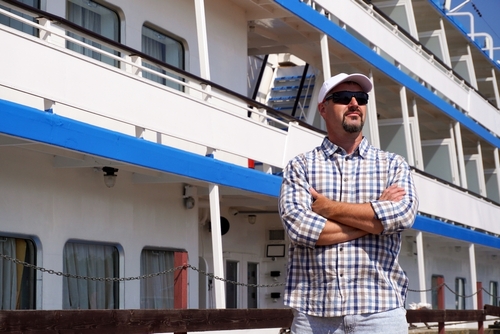 Can Crew Members Sue for Injuries on Ft Lauderdale Cruise Ships?
Your Rights as an Injured Cruise Ship Crew Member Start with a Cruise Ship Accident Attorney in Ft Lauderdale When you work aboard a cruise ship departing from Fort Lauderdale’s Port Everglades, suffering an injury can leave you uncertain about your rights. Unlike passengers, crew members face complex maritime laws determining how they seek compensation....
 When Should You Contact a Plantation Cruise Accident Attorney?
Immediate Steps After a Cruise Ship Accident Near Plantation If you or a loved one suffered injuries during a cruise departing from Port Everglades or another nearby port, timing is critical for protecting your legal rights. Many Plantation residents embark on cruises from Fort Lauderdale’s Port Everglades, one of the world’s busiest cruise ports, making...