
Understanding Your Rights as a Cruise Ship Passenger From Plantation
If you or a loved one suffered an injury aboard a cruise ship departing from Port Everglades or another U.S. port, you face unique legal challenges that differ from typical personal injury cases. Plantation residents who cruise from nearby Fort Lauderdale ports should understand that maritime law governs their claims, not Florida state law. The Cruise Vessel Security and Safety Act of 2010 establishes federal safety requirements for passenger vessels authorized to carry at least 250 passengers with onboard sleeping facilities that embark or disembark passengers in the United States; it is codified in Title 46 of the U.S. Code at sections 3507 and 3508. When cruise lines fail to meet these mandatory requirements-such as maintaining ship rails at least 42 inches above the cabin deck-they may be liable for resulting injuries. Finding the right cruise ship accident attorney in Plantation can make the difference between recovering full compensation and missing critical deadlines under federal maritime law.
???? Pro Tip: Document everything immediately after a cruise ship injury, including photographs of the accident scene, medical records from the ship’s infirmary, and witness contact information-maritime claims have strict deadlines and many cruise ticket contracts shorten the filing period to one year from the date of injury; notice requirements may be as short as six months.
If you’ve been injured on a cruise ship, don’t let critical deadlines slip by. Reach out to Chalik & Chalik Injury Lawyers to explore your options and secure the compensation you deserve. Call us at 954-476-1000 or contact us today for personalized legal support.

Federal Maritime Laws Protecting Plantation Cruise Passengers
Maritime law provides specific protections for cruise passengers that extend beyond typical negligence claims. The Cruise Vessel Security and Safety Act of 2010, codified in Title 46 of the U.S. Code at sections 3507 and 3508, mandates comprehensive safety features and procedures for cruise vessels serving U.S. ports. The Act applies to passenger vessels authorized to carry at least 250 passengers with onboard sleeping facilities that embark or disembark passengers in the United States. These federal requirements include precise design standards, such as rail heights and security measures, which cruise lines must follow. For Plantation residents boarding cruises from nearby ports, these federal mandates create enforceable rights when injuries occur due to safety violations. If a tragic death occurs beyond three nautical miles from U.S. shores, the federal Death on the High Seas Act (DOHSA) governs wrongful death claims rather than Florida state law. DOHSA, found at 46 U.S.C. § 30301-30302, allows personal representatives to bring civil actions in admiralty court for deaths caused by wrongful acts on the high seas.
???? Pro Tip: Review your cruise ticket contract carefully before sailing-many contain forum selection clauses requiring lawsuits to be filed in specific federal courts, which your maritime lawyer in Plantation FL can help you understand and navigate.
Critical Deadlines and Steps for Cruise Ship Injury Claims
Federal maritime law imposes strict deadlines that differ from Florida’s personal injury statutes. Under federal maritime law (46 U.S.C. § 30106), the general statute of limitations for maritime personal injury claims is three years. However, cruise ticket contracts often contractually reduce this period to one year from the date of injury and impose notice requirements of six months. Florida’s statute of limitations for negligence-based personal injury claims is currently two years following legislative changes enacted through House Bill 837 on March 24, 2023. This compressed timeline makes immediate action essential. Your cruise ticket contract may impose even shorter notice requirements, sometimes as brief as six months. Missing these deadlines can permanently bar your recovery, regardless of injury severity or clear negligence. A Plantation Florida cruise ship accidents attorney can help ensure you meet all applicable deadlines while building the strongest possible case.
- Report the incident immediately to ship security and medical staff, obtaining written documentation
- Seek prompt medical attention both on the ship and after returning to Plantation
- Preserve all evidence including photographs, clothing, and cruise documents
- Notify the cruise line in writing within the time specified in your ticket contract
- Consult with a cruise ship accidents lawyer Plantation Florida before the applicable federal or contractual deadline
How a Cruise Ship Accident Attorney in Plantation Can Protect Your Recovery
Successfully pursuing cruise ship injury claims requires understanding complex maritime law, federal statutes, and international conventions. Chalik & Chalik Injury Lawyers brings extensive experience handling maritime claims for Plantation residents injured on cruise ships, understanding both federal requirements under the Cruise Vessel Security and Safety Act and admiralty court procedures. Whether your injury resulted from a slip and fall on a wet deck, inadequate rail heights below 42 inches, foodborne illness, or assault due to insufficient security measures, proving liability requires demonstrating the cruise line breached its duty of care under maritime law. This involves establishing negligence and often showing the vessel was unseaworthy or that the cruise line had actual or constructive notice of dangerous conditions. Your Plantation cruise ship accident lawsuit success depends on thorough investigation, proper evidence preservation, and strategic legal advocacy that accounts for the unique aspects of maritime jurisdiction.
???? Pro Tip: Request copies of all incident reports, medical records, and surveillance footage before leaving the ship-cruise lines often make this evidence difficult to obtain once you return home to Plantation.
Common Cruise Ship Hazards and Their Legal Implications
Cruise ships present unique hazards that can lead to serious injuries, each with specific legal considerations under maritime law. From slippery pool decks to inadequate lighting in corridors, cruise ships must maintain vessels in seaworthy condition and warn passengers of known dangers. The Cruise Vessel Security and Safety Act’s requirement for 42-inch rails addresses overboard incidents, but many other dangers fall under general maritime negligence principles.
Slip and Fall Accidents at Sea
Wet decks, unmarked spills, and the ship’s natural movement create conditions for slip and fall injuries that can result in fractures, head trauma, and spinal injuries. Proving liability requires showing the cruise line either created the hazardous condition or had actual or constructive notice of it long enough to remedy the danger. Your cruise ship injury lawyer Plantation will investigate whether proper warnings were posted, how long the hazard existed, and whether crew inspection procedures followed federal safety standards.
???? Pro Tip: Take photographs of the exact location where you fell, including any lack of warning signs, inadequate lighting, or absence of non-slip surfaces-these details become crucial evidence for your Plantation cruise accident claims.
Wrongful Death Claims Under Federal Maritime Law
When cruise ship accidents result in death, particularly on the high seas beyond three nautical miles from shore, federal law rather than Florida state law governs the claim. The Death on the High Seas Act (DOHSA), enacted in 1920 and codified at 46 U.S.C. § 30301, generally provides the exclusive remedy for deaths occurring on the high seas beyond three nautical miles from U.S. shores, but does not preempt Jones Act claims for seamen or claims under foreign country laws. This federal statute allows personal representatives to bring civil actions in admiralty for deaths caused by wrongful acts, neglect, or default.
Special Considerations for High Seas Deaths
DOHSA limits recovery to pecuniary damages-the financial support the deceased would have provided to dependents-excluding compensation for grief, loss of companionship, or punitive damages available under Florida law. This restriction makes calculating damages complex and emphasizes the importance of working with a Plantation Florida maritime attorney experienced in federal admiralty law. The three-nautical-mile boundary creates a critical distinction: deaths occurring closer to shore may fall under state wrongful death statutes, while those beyond trigger DOHSA’s federal framework, fundamentally altering available remedies.
Frequently Asked Questions
Common Concerns About Cruise Ship Injury Claims
Plantation residents injured on cruise ships often have similar questions about their rights and the claims process under maritime law. Understanding these fundamentals helps you make informed decisions about your case.
???? Pro Tip: Keep a detailed journal of your injuries, medical treatment, and how the accident has affected your daily life-this personal account provides powerful evidence beyond medical records alone.
Navigating the Maritime Legal Process
The maritime legal process differs significantly from typical personal injury litigation, with unique procedural rules, federal jurisdiction, and specialized legal doctrines that require proper guidance.
1. How do cruise ship accidents laws Florida differ from regular personal injury laws?
Maritime law, not Florida state law, governs most cruise ship injury claims. This means federal courts have jurisdiction, different statutes of limitations apply (the general federal period is three years under 46 U.S.C. § 30106, though cruise ticket contracts often reduce this to one year), and special maritime doctrines like unseaworthiness and maintenance and cure may provide additional recovery avenues. Florida’s statute of limitations for negligence-based personal injury claims is currently two years (reduced from four years in March 2023). Your Plantation Florida cruise ship accidents attorney must understand these federal maritime principles to effectively pursue your claim.
2. What if my injury occurred in international waters during a cruise from Fort Lauderdale?
Injuries occurring on the high seas-beyond three nautical miles from U.S. shores-fall under federal admiralty jurisdiction. The Cruise Vessel Security and Safety Act’s safety requirements still apply to passenger vessels covered by the Act when they embark or disembark passengers in the United States, creating enforceable standards regardless of accident location. A maritime lawyer Plantation FL can determine which laws apply to your specific case.
3. Can I sue if inadequate ship rail heights contributed to my injury?
Yes, the Cruise Vessel Security and Safety Act mandates ship rails must be at least 42 inches above the cabin deck. If inadequate rail heights contributed to your injury or a loved one going overboard, this federal safety violation can establish the cruise line’s liability. Document rail heights with photographs and measurements as evidence for your cruise ship injury claims Plantation.
4. What is the timeline for filing a Plantation cruise ship accident lawsuit?
Federal maritime law generally provides a three-year statute of limitations for personal injury claims, though cruise ticket contracts often contractually reduce this to one year from the date of injury and impose notice requirements of six months. Florida’s personal injury statute of limitations is currently two years (changed in March 2023). Contact a Florida cruise ship accidents lawyer immediately to ensure you meet all deadlines.
5. Should I accept the cruise line’s initial settlement offer?
Never accept a settlement without consulting a cruise ship accident attorney in Plantation who understands maritime law’s complexities. Initial offers rarely reflect your claim’s full value under federal maritime law, including potential unseaworthiness claims, maintenance and cure benefits, and future medical expenses. An experienced attorney can evaluate whether the offer fairly compensates you for all available damages.
Work with a Trusted Cruise Ship Accidents Lawyer
Maritime injury claims require legal representation that understands both federal admiralty law and the practical challenges of litigating against major cruise lines. The intersection of federal statutes like the Cruise Vessel Security and Safety Act and the Death on the High Seas Act with traditional maritime negligence principles creates a complex legal landscape. Plantation residents deserve attorneys who can effectively pursue their claims while meeting strict federal deadlines and procedural requirements. When choosing legal representation, ensure your attorney has specific experience with cruise ship cases, understands the three-year limitation period under federal law (which cruise tickets commonly shorten to one year), and can handle litigation in federal admiralty courts.
Been injured on a cruise ship near Plantation? Don’t let time wash away your rights. Connect with Chalik & Chalik Injury Lawyers today to navigate the choppy waters of maritime law. Reach out at 954-476-1000 or contact us for a steady hand in claiming your deserved compensation.

With 37 Million Passengers Setting Sail, What Are Your Injury Rights in Miami? Key Takeaways: Cruise ship injury claims fall under federal maritime law, which overrides Florida state personal injury rules. Passengers typically have only one year from injury date to file a lawsuit under their ticket contract, per 46 U.S.C. § 30526. Cruise lines...

Understanding the Passenger Ticket Contract in Your Cruise Injury Case If you or a loved one suffered an injury on a cruise ship, one of the most important documents affecting your legal rights is the passenger ticket contract. This contract, accepted when booking your trip, is far more than a boarding pass. It is a...
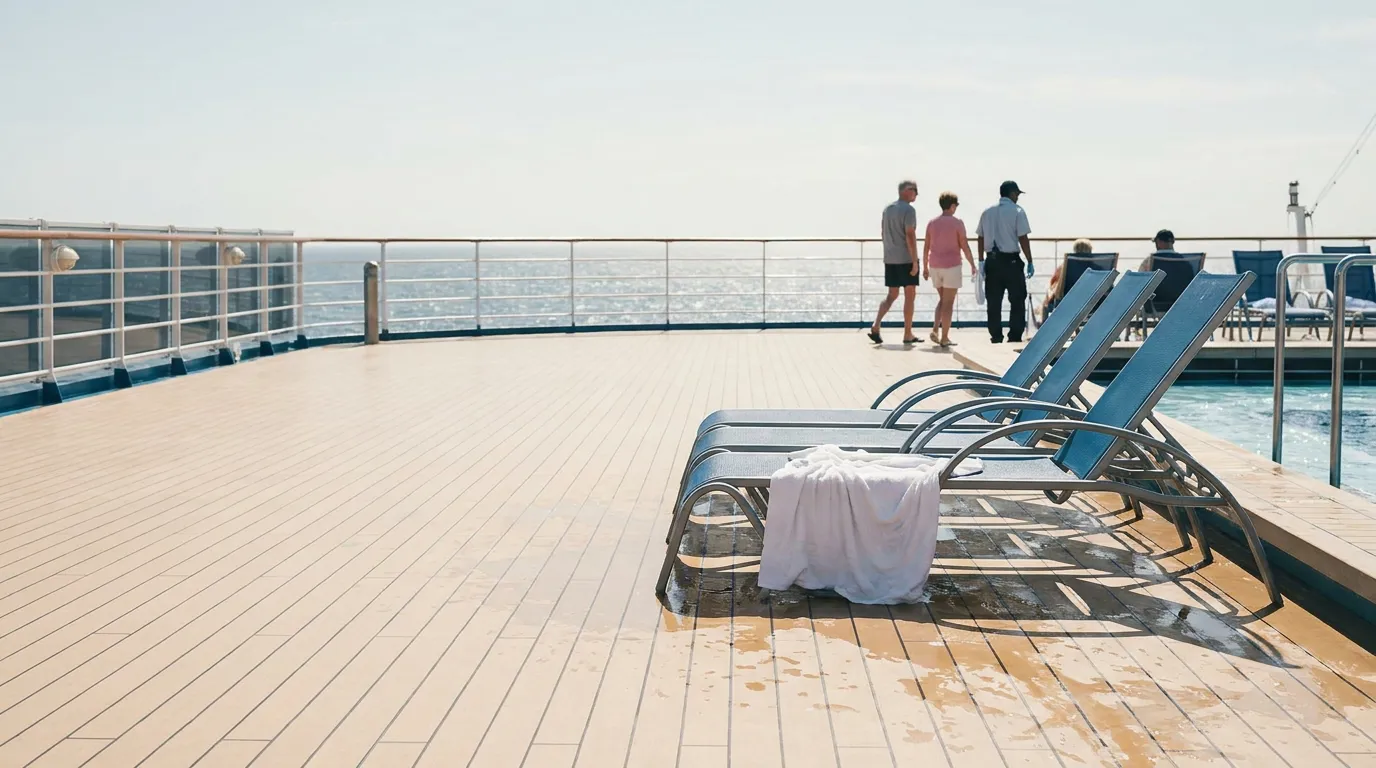 Who Is Responsible for a Lido Deck Slip and Fall Near Ft Lauderdale?
Understanding Liability When a Fall Happens on the Lido Deck Key Takeaways: Responsibility for a lido deck slip and fall near Ft. Lauderdale typically falls on the party that controlled the space, often the cruise line, though management companies or contractors may share fault. Federal maritime law governs falls aboard vessels on navigable waters, requiring...

Understanding Duty of Care on Cruise Ships and What It Means for Passengers Every year, thousands of passengers board cruise ships from South Florida ports, trusting that the vessel operator will keep them safe. That trust is rooted in a legal concept called "duty of care," which requires cruise lines to take reasonable steps to...