


When the steel cables in tires begin rusting, it can cause tread separation, which increases the risk of tire blowouts and crashes. In many cases, it’s a defect of the tire that allows for excess moisture to seep in, creating the right environment for rust to develop. When a tire model is defective, it’s the...

Tire recalls are a serious matter, and families in Florida and across the country need to be aware of these recalls to protect themselves. The National Highway Traffic Safety Administration (NHTSA) estimates that the agency recalled more than 60 million tires since its inception. These defective tires can cause car crashes and serious injuries. Although...
 I-75 Church Van Accident in South Florida – Were The Tires The Cause?
The Florida Highway Patrol is working to determine the cause of a fatal van accident. The crash took place on Saturday, September 14, just south of Fort Myers on Interstate 75 in the northbound lanes. Initial reports indicate a tire blowout preceded the accident. The Sun-Sentinel reports three people died as a result of the...

Consumer safety should be at the top of tire manufacturers’ list of concerns, but often, it’s simply not. Unfortunately, when manufacturers and distributors don’t ensure their tires are up to snuff, they can release defective and faulty tires that have the potential to cause serious injuries and fatalities. In one out of every 11 crashes,...
 9 Alarming Facts about Spare Tires
Taking good care of your tires is an important part of safe driving. However, in the event that a flat tire does occur, you’ll need to know how to replace the flat tire with a spare tire. Here are nine facts about spare tires you might not know. 1. You Can’t Drive Spare Tires as...
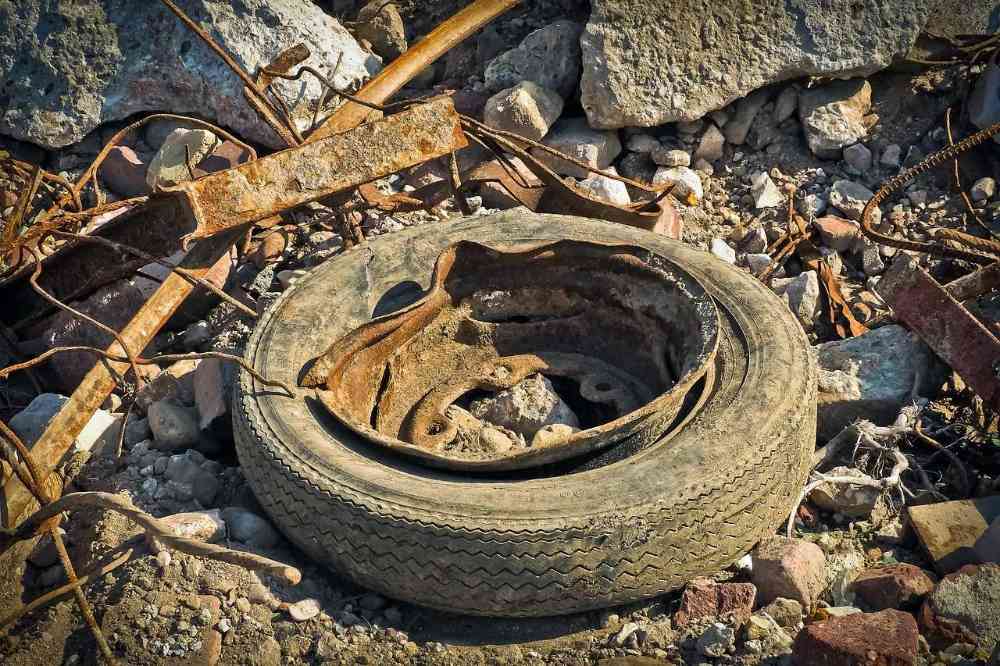 Tire Dry Rot – What It Is, How to Spot It & Liability for Accidents
All vehicle owners should know what tire dry rot is, how to spot it, and what to do if their tires have it. Meanwhile, if it causes an accident, talk to an attorney about liability. In some cases, a manufacturer may be liable if the dry rot was due to a defect in the tire....