
Your First Steps Matter After a South Florida Crash
Key Takeaways:After a car accident, a personal injury attorney in Miami investigates the crash, preserves evidence, and connects the at-fault party’s negligence to your injuries through Florida’s duty-breach-causation-damages framework established under Florida common law and governed by Chapter 768 of the Florida Statutes. The attorney identifies every recoverable loss, including economic damages under Fla. Stat. §768.81(1)(b) and noneconomic damages like pain and suffering. Florida’s modified comparative fault system under §768.81 bars recovery entirely for anyone more than 50% at fault, so minimizing your share of blame is critical. House Bill 837 shortened the negligence limitations period under §95.11 from four years to two years. Claims involving government vehicles follow stricter rules under §768.28, including damage caps and pre-suit notice requirements. While most cases settle, a trial-ready approach strengthens your position.
A car accident can upend your life in seconds, and knowing what a legal advocate does helps you make smarter decisions. A personal injury attorney Miami residents trust investigates how the crash happened, preserves evidence, calculates losses, and pursues fair compensation while shielding you from aggressive insurer tactics. The goal: connect the at-fault party’s negligence to your injuries and protect your right to recover. Because Florida law is nuanced and deadlines strict, early guidance makes a meaningful difference.
Prompt action after a crash protects both your health and your claim. The team at Chalik & Chalik Injury Lawyers helps injured people across South Florida understand their options. Call us at 954-476-1000 or reach out through our contact page to discuss what happened.
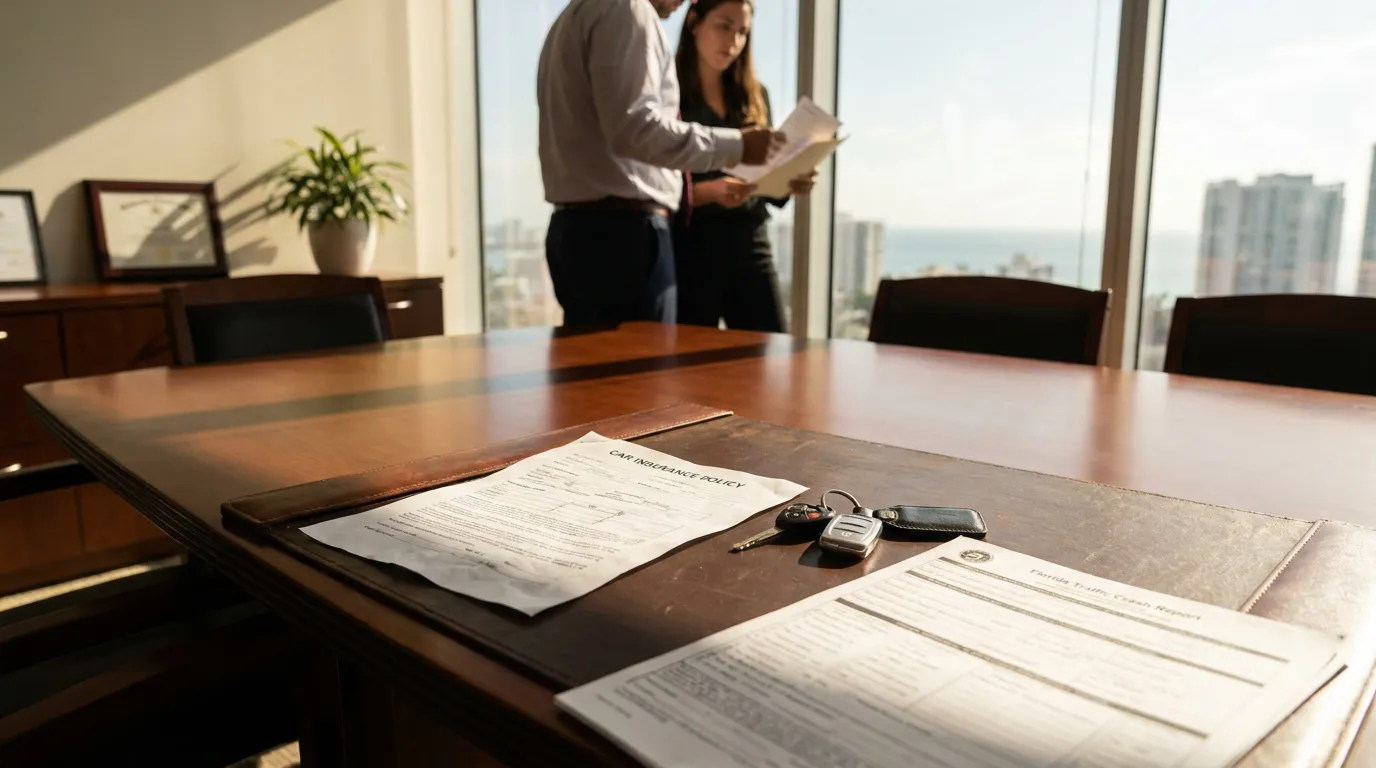
Building the Foundation: Investigation and Evidence Preservation
An attorney’s first task is gathering and safeguarding proof before it disappears. Skid marks fade, vehicles get repaired, and witness memories blur, making rapid evidence preservation essential. A lawyer collects police reports, photographs, surveillance footage, medical records, and witness statements to support every later stage of your claim.
Under Florida’s negligence framework, established under Florida common law and governed by Chapter 768 of the Florida Statutes (see U.S. v. Stevens, 994 So.2d 1062 (Fla. 2008)), liability turns on duty, breach, causation, and damages. An attorney must show that another driver owed you a duty of care, breached it, and caused measurable harm. In straightforward automobile accidents, this is a manageable inquiry into each party’s role in causing your damages.
💡 Pro Tip: Take photos at the scene if you safely can, and keep every medical bill, pharmacy receipt, and repair estimate in one folder. This documentation can strengthen your claim later.
Calculating What Your Claim Is Really Worth
An attorney’s job includes identifying and documenting every category of recoverable loss. Under Fla. Stat. §768.81(1)(b), "economic damages" include lost income reduced to present value, medical and funeral expenses, lost support and services, and replacement value of lost personal property. A thorough lawyer accounts for future costs, not just current bills.
Beyond economic losses, injured people may pursue noneconomic damages such as pain and suffering. Establishing the full scope of harm requires medical documentation and, in serious cases, input from treating physicians.
Common categories a Miami injury claim may involve include:
- Past and future medical expenses
- Lost wages and diminished earning capacity
- Property damage and replacement costs
- Pain, suffering, and reduced quality of life
How a Personal Injury Attorney Miami Clients Trust Handles Fault
Florida uses a modified comparative fault system, making how blame is divided central to any car accident case. Under Fla. Stat. §768.81(2), contributory fault "diminishes proportionately the amount awarded as economic and noneconomic damages… but does not bar recovery." However, since House Bill 837, §768.81(6) bars recovery entirely for anyone more than 50% at fault for their own harm, with a carve-out for medical negligence claims. This makes minimizing your share of fault especially important.
Florida also rejects joint and several liability, meaning each party pays according to its own percentage of fault. Under Fla. Stat. §768.81(3), "the court shall enter judgment against each party liable on the basis of such party’s percentage of fault and not on the basis of the doctrine of joint and several liability." You can review the full text of Florida’s comparative fault statute to see how allocation works.
Defendants frequently try to shift blame, and an attorney must anticipate that strategy. A defendant may point at a codefendant or nonparty to reduce liability. Legal commentators explain that defendants may plead and prove that a codefendant or nonparty caused the plaintiff’s injuries, reducing the defendant’s liability accordingly.
Blaming an absent nonparty carries an evidentiary burden. To place fault on someone not in the lawsuit, Fla. Stat. §768.81(3)(a) requires a defendant to affirmatively plead it and "prove at trial, by a preponderance of the evidence, the fault of the nonparty in causing the plaintiff’s injuries." An attorney can push back when the other side overstates a third party’s role.
💡 Pro Tip: Avoid giving a recorded statement to the other driver’s insurer before speaking with a lawyer. Insurers may use your words to argue you share more fault than you do, and because fault exceeding 50% can now defeat a claim entirely, those arguments carry higher stakes.
Meeting Deadlines: Florida’s Statute of Limitations
Filing on time is one of the most consequential things an attorney manages, because missing a deadline can end a claim entirely. The controlling law is Fla. Stat. §95.11, which governs "Limitations other than for the recovery of real property," including personal injury claims.
For negligence-based car accident claims, the window has narrowed. Following House Bill 837, effective March 24, 2023, the limitations period for negligence claims was reduced from four years to two years for causes of action accruing on or after that date. You can read the updated Florida statute of limitations directly to confirm the timeframe that applies.
Deadlines can vary, and courts interpret exceptions narrowly. Tolling or delayed-discovery arguments may apply in limited circumstances but are never guaranteed. Because the specific accrual date can be fact-dependent, confirming your deadline early is wise.
💡 Pro Tip: Do not wait until the deadline approaches to seek guidance. Evidence is easier to preserve, and witnesses easier to locate, in the weeks right after a crash.
Special Rules When a Government Vehicle Is Involved
Claims against a city, county, or state vehicle follow a separate and stricter set of rules. Florida only permits these suits to the extent it has waived sovereign immunity. As Fla. Stat. §768.28 states, the state "waives sovereign immunity for liability for torts, but only to the extent specified in this act."
Recovery against a government agency is also capped by statute. These limits have been periodically revised, so the cap that applies depends on when your claim accrued; any amount beyond the applicable cap requires the Legislature to pass a special claims bill. These claims additionally demand strict written pre-suit notice. Under §768.28(6)(a), a claimant must present the claim in writing to the appropriate agency and the Department of Financial Services before filing suit.
The table below summarizes several timing and liability distinctions an attorney evaluates:
| Issue | Typical Negligence Claim | Government Vehicle Claim |
|---|---|---|
| Governing statute | §95.11(3)(a) | §768.28 |
| Damage limits | No statutory cap | Statutory sovereign immunity caps |
| Pre-suit notice | Not required | Written notice required |
| Immunity analysis | Not applicable | Sovereign immunity waiver required |
Because these rules are technical, early legal review is especially valuable in public-vehicle cases. If you are weighing your options, learning what to consider when hiring a lawyer can help you ask the right questions. A misstep on notice or deadlines can bar an otherwise strong claim.
Guiding You Through Settlement or Trial
Most injury cases resolve through negotiation, but a trial-ready approach often strengthens your position. An attorney presents documented losses, contests inflated fault arguments, and negotiates with insurers on your behalf. When a fair settlement is not offered, being prepared to litigate matters. Clients throughout South Florida, including those who work with a dedicated Florida injury attorney, often benefit from that readiness.
A good advocate keeps you informed and manages the procedural burden. From filing pleadings to coordinating medical documentation, the attorney handles details so you can focus on recovery.
Frequently Asked Questions
-
How soon should I contact an attorney after a car accident?
Sooner is better. Evidence fades quickly, and Florida’s two-year negligence deadline under §95.11 leaves less time than many expect. Early involvement helps preserve proof and protect your filing rights.
-
Will being partly at fault stop me from recovering damages?
It depends on your share of blame. Under §768.81(2), your recovery is reduced by your percentage of fault, but under §768.81(6), being more than 50% at fault bars recovery entirely (except in medical negligence cases). An attorney works to keep your share of fault as low as the facts allow.
-
What if a city or county vehicle caused my crash?
Different rules apply. Sovereign immunity under §768.28 caps damages and requires written pre-suit notice. These steps are separate from your civil lawsuit and must be handled carefully.
-
What damages can I potentially recover?
Florida law allows both economic and noneconomic damages. Under §768.81(1)(b), economic damages include lost income, medical expenses, and property replacement value. Noneconomic damages, such as pain and suffering, may also apply.
-
Do most cases go to trial?
Many resolve through settlement. Being prepared for trial can improve negotiating strength. Whether your case settles depends on the facts, the evidence, and the insurer’s willingness to offer fair terms.
Moving Forward With Confidence
After a car accident, a personal injury attorney investigates the crash, documents your losses, contests unfair fault allocation, and safeguards your deadlines under Florida law. From modified comparative fault under §768.81 to the limitations period in §95.11 and the special rules of §768.28, these overlapping issues make skilled guidance valuable. The right support can help you pursue full and fair compensation.
If you or a loved one was injured in a South Florida crash, do not navigate these deadlines and defenses alone. Reach out to Chalik & Chalik Injury Lawyers to discuss your situation. Call 954-476-1000 or schedule a consultation online today so you can focus on healing while your rights are protected.


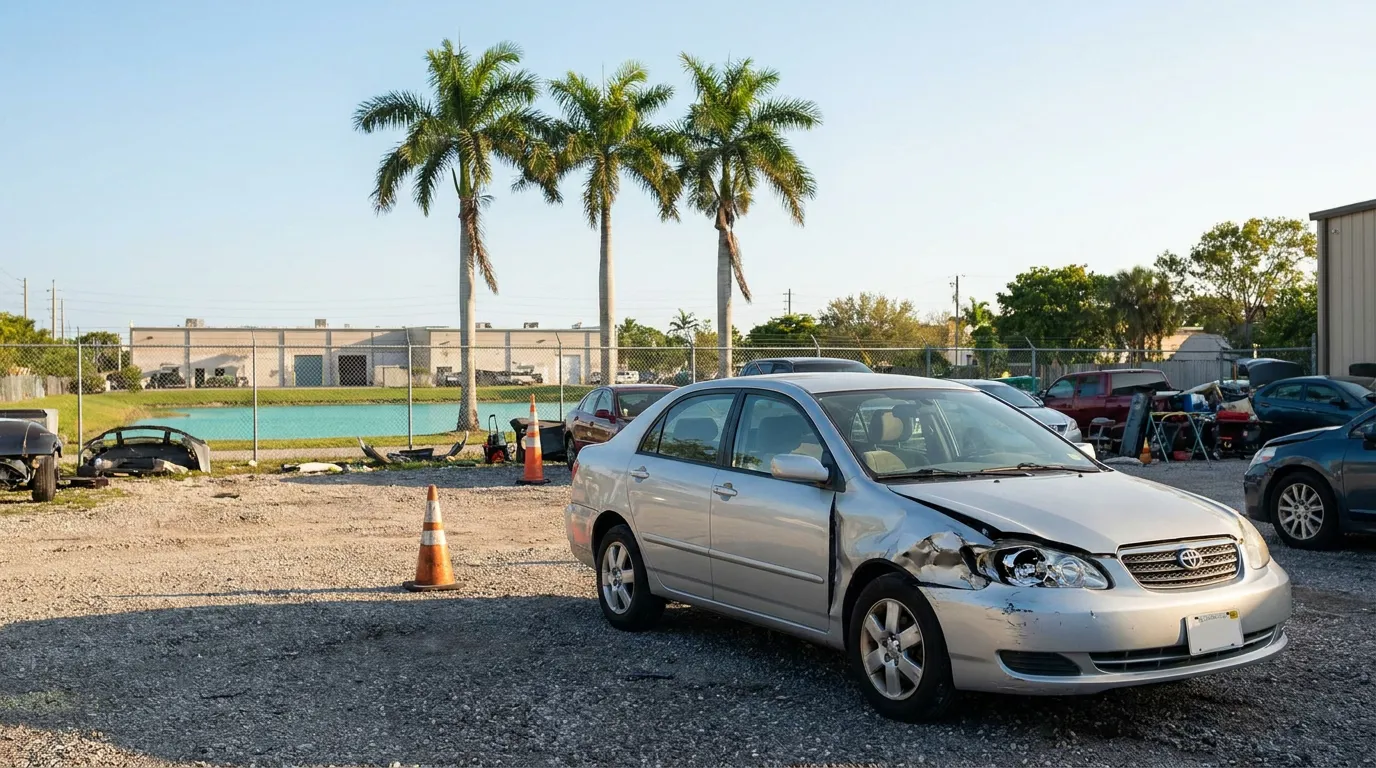 How Prior Medical Records Can Prove a Ft Lauderdale Crash Made Your Injury Worse
Your Medical History Can Strengthen Your Crash Claim Key Takeaways: A pre-existing condition doesn’t have to sink a Fort Lauderdale crash claim, because records from before and after the crash can show how much the collision made your injury worse. Once you file a PIP claim, Florida law generally lets auto insurers request your past...
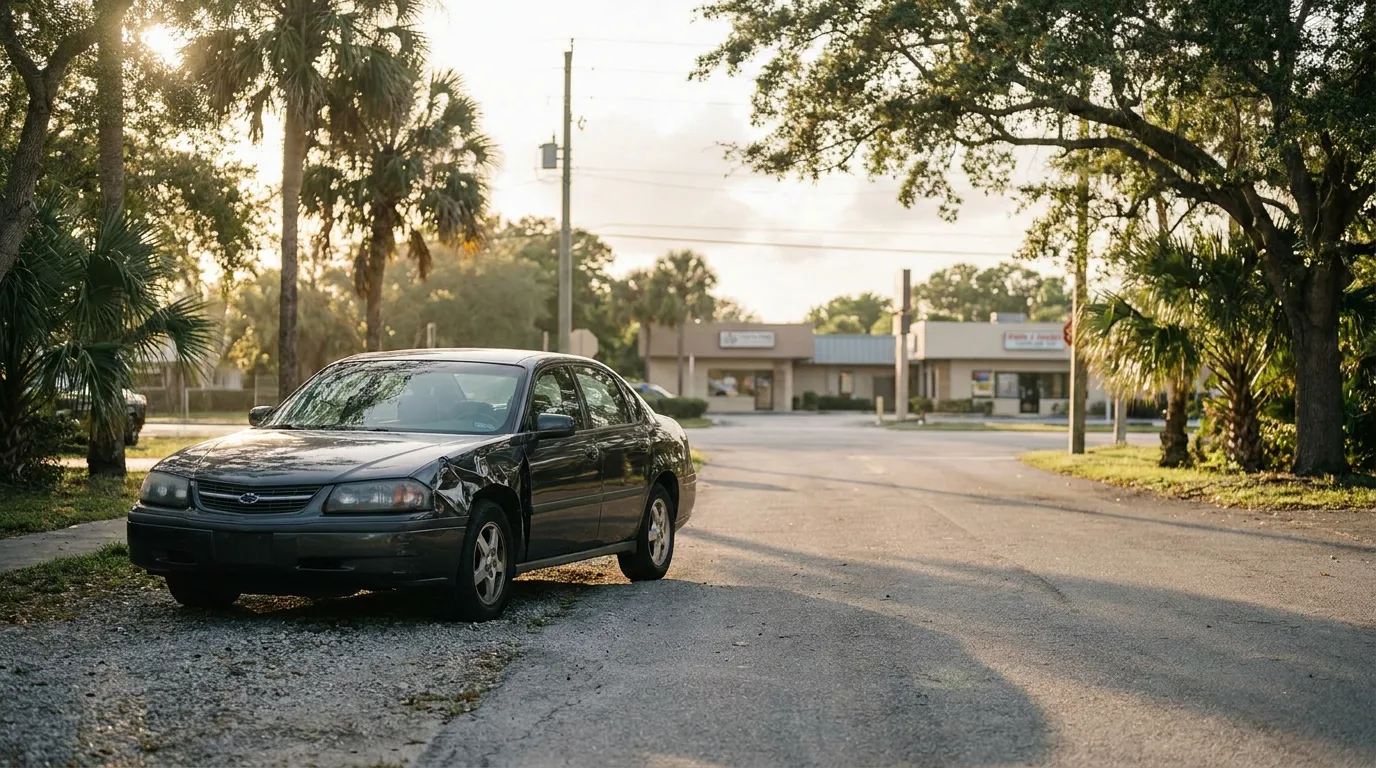 Can a Plantation Car Accident Victim Recover Damages After Tort Reform?
Understanding Your Rights After Florida’s Tort Reform Key Takeaways: Yes, a Plantation car accident victim can still recover damages after Florida’s 2023 tort reform, though HB 837 shortened filing deadlines, adjusted fault rules, and modified how shared blame reduces an award. Injured drivers can pursue economic, non-economic, and, in rare cases, punitive damages. The most...

Long daily commutes are par for the course in many regions of Florida, particularly in South Florida. According to data from the Census Bureau, the average commute time in 2011 in Broward County was 27.5 minutes each way. The average in Palm Beach County was 23.9 minutes each way. According to CNN, long daily commutes...

A study by the AAA Foundation for Traffic Safety found that mistakes on the part of drivers are the cause of 94 percent of all car accidents, and about 87 percent of drivers engage in unsafe behaviors. Meanwhile, the number of deaths from car accidents has risen sharply. In 2015, there were 38,300 fatalities and...

An Uber passenger may be within their legal rights to sue an Uber driver in the event of an accident. Although initial compensation would come from your Florida no-fault insurance policy, any costs that exceed your compensatory amount would be the responsibility of the at-fault driver. Chalik & Chalik Injury Lawyers can help you navigate...
 When Should I Call an Auto Accident Lawyer in Fort Lauderdale?
After you have ensured the safety of yourself and any other passengers following a collision, you should consider moving forward with legal action by using the resources offered by an auto accident lawyer. It does not matter how minor your injuries may appear or how “not serious” the accident was––should you decide with pursuing compensation,...

If Geico denied your car accident claim, you typically have 15 days to respond with an appeal letter. Consider consulting a car accident lawyer if you feel that the reason for denial was unjust or if you need assistance. Whether you opt for legal representation, beginning the appeal process is your first step. Determining Why...

Yes, there are some situations where you can file a lawsuit against a rental car company for an accident in Florida. However, in most cases, the driver of the rental car has accepted responsibility for the vehicle. In these cases, they or their insurance company will be held liable for the car accident, not the...