
Your Right to Recover After a Fall Does Not Depend on Citizenship
Key Takeaways:Undocumented immigrants can file slip and fall claims in Miami because Florida premises liability law focuses on where an injury occurred and who was at fault, not immigration status. Recovery depends on your legal status as a visitor, invitee, licensee, or trespasser, with invitees like shoppers and hotel guests owed the highest duty of care. To recover, prove the property owner was negligent through duty, breach, causation, and damages using photos, incident reports, surveillance footage, and witness statements. Under Florida’s modified comparative negligence standard, you may recover reduced damages if partly at fault, but recovery is barred if you’re more than 50 percent responsible. Strict filing deadlines under Fla. Stat. § 95.11, shortened by 2023 tort reform, apply regardless of immigration status. A knowledgeable slip and fall attorney can investigate the hazard, preserve evidence, and counter common insurer defenses.
Undocumented immigrants can generally file a slip and fall claim in Miami, because Florida premises liability law focuses on where an injury happened and who was at fault, not on a victim’s immigration status. When someone slips on an unmarked wet floor at a grocery store, hotel, or airport, the legal question is whether the property owner failed to maintain reasonably safe conditions. This principle applies broadly to people lawfully present on a property, regardless of citizenship.
If you were hurt in a fall and are unsure about your rights, the team at Chalik & Chalik Injury Lawyers is ready to listen. You can call us at 954-476-1000 or reach out through our confidential case review form to learn how Florida law may apply to your situation.
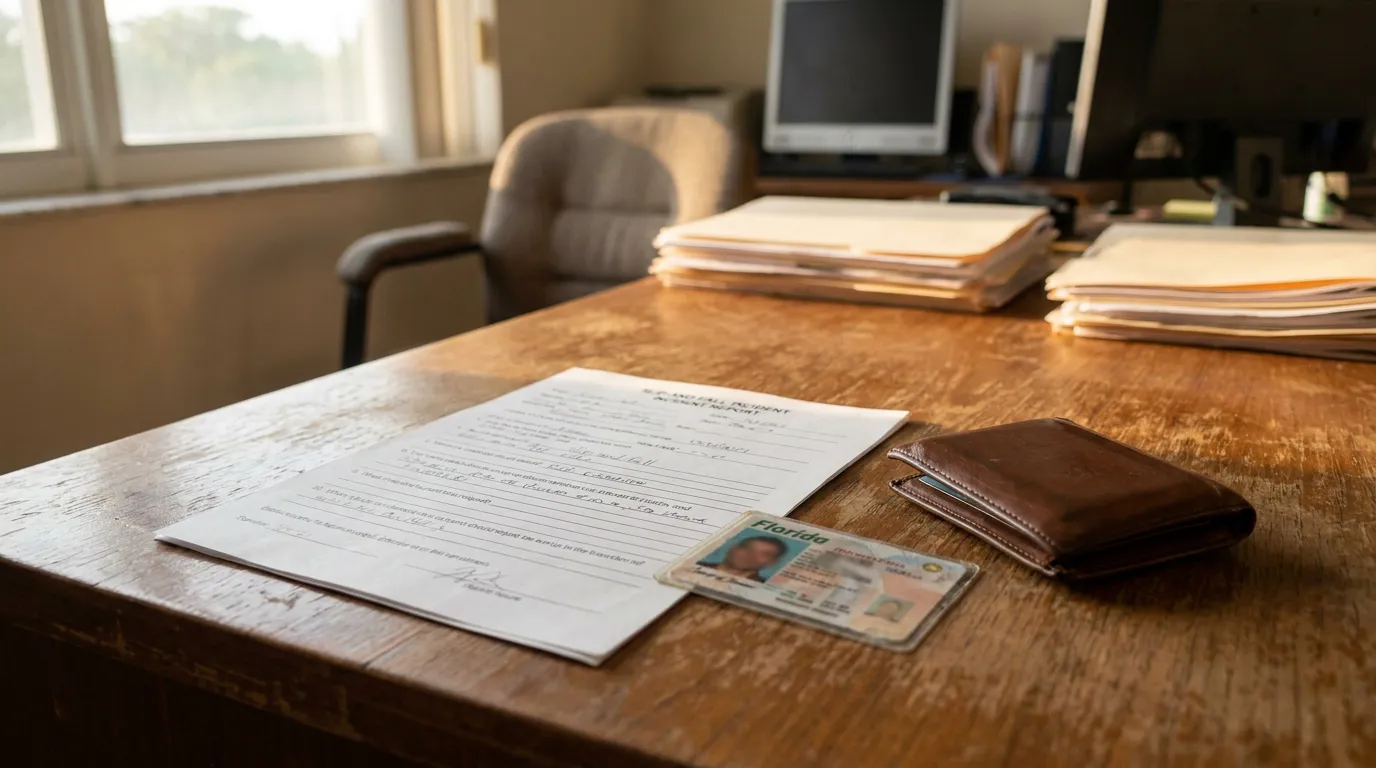
Why Immigration Status Is Separate From Your Legal Status on the Property
Florida law analyzes premises liability claims based on your legal status as a visitor, not your immigration paperwork. In any premises case, courts first determine the category the injured person occupies on the land. Florida law classifies plaintiffs under three broad headings: invitees, licensees, and trespassers, each owed a different level of care.
The first step in any premises liability case is determining the plaintiff’s legal category, which is critically important because the duty of care depends on it. This classification turns on your relationship to the property, whether you were a customer or guest, not on your national origin. For a deeper look at how Florida courts approach this framework, the analysis in the Florida Bar Journal on premises liability explains why classification matters.
💡 Pro Tip: Keep any receipt, appointment confirmation, or reservation showing you were an invited customer or guest to help establish the higher duty of care owed to invitees.
The Duty of Care Owed to Visitors in Miami
A property owner’s responsibility to you generally rises or falls with your classification as a visitor. Under Florida premises liability principles, the duty of care varies by status. Liability is determined by the owner’s duty of care, which varies based on the visitor’s status, with invitees owed the highest duty.
Most slip and fall victims in commercial spaces, such as shoppers and hotel guests, are invitees entitled to the strongest protections under Florida negligence law. An undocumented shopper who slips on a spilled liquid in a store aisle generally occupies the same invitee status as any other customer, which is why a miami premises liability claim can proceed on the merits of the hazard rather than the injured person’s identity.
Here are common categories courts may consider:
- Invitees: customers, business guests, and others invited for the owner’s benefit, owed the highest duty
- Licensees: social guests or others present with permission for their own purposes
- Trespassers: individuals present without permission, owed the most limited duty
Proving Negligence in a Slip and Fall Claim in Florida
To recover, you must generally show that the property owner was negligent and that the negligence caused your injuries. A florida negligence claim typically requires proving duty, breach, causation, and damages. In slip and fall matters involving a transitory foreign substance in a business establishment, Fla. Stat. § 768.0755 generally requires showing that the business had actual or constructive knowledge of the dangerous condition and should have taken action to remedy it.
These cases frequently involve wet floors, uneven surfaces, poor lighting, or debris left in walkways. Building the factual record early through surveillance footage, maintenance logs, and witness statements is often central to a successful slip and fall claim florida residents and visitors pursue. For more on liability in a retail setting, our discussion of whether you can sue a Miami business after a wet floor fall walks through practical scenarios.
💡 Pro Tip: Photograph the hazard immediately if you can safely do so, and ask a manager to complete an incident report before leaving. Evidence disappears quickly after a fall.
How Comparative Fault Affects Your Miami Injury Claim
Even if you were partly responsible for your fall, Florida law may still allow you to recover reduced damages, subject to an important limit. Florida applies a modified comparative negligence standard to most negligence actions. In a negligence action, the court shall enter judgment against each party liable on the basis of such party’s percentage of fault.
Contributory fault diminishes proportionately the amount awarded as damages but does not bar recovery, subject to statutory exceptions. However, since Florida’s 2023 tort reform, under Fla. Stat. § 768.81(6), any party found to be greater than 50 percent at fault for his or her own harm may not recover any damages. This modified comparative negligence rule applies to negligence actions other than medical negligence claims, and immigration status does not change how fault is calculated in a miami injury claim.
| Your Share of Fault | General Effect on Recovery |
|---|---|
| 0% | Damages generally not reduced for fault |
| 1% to 50% | Damages reduced by your percentage of fault |
| More than 50% | Recovery generally barred under § 768.81(6) |
This table is a simplified illustration, and how fault is apportioned depends heavily on the specific facts of each case.
Deadlines That Apply Regardless of Immigration Status
Florida sets strict time limits for filing a slip and fall lawsuit, and missing the deadline can end a claim before it begins. These limits are set out in Florida’s statute of limitations, Fla. Stat. § 95.11, which governs actions other than for the recovery of real property.
Under the 2023 tort reform, the deadline for most negligence actions was shortened from four years to two years for causes of action accruing on or after the reform’s effective date. Courts generally interpret extensions such as tolling and the discovery rule narrowly, applying them only in limited circumstances. Because the applicable period depends on your specific facts and when your claim accrued, confirm your deadline promptly.
💡 Pro Tip: Don’t wait to seek guidance on your filing deadline. Even a short delay can affect evidence preservation and your ability to meet the statutory time limit.
How a Slip and Fall Accident Attorney in Miami Can Help
A slip and fall accident attorney miami injury victims trust can help investigate the hazard, preserve evidence, and rebut common insurer defenses. Insurers often argue that a spill was a transitory foreign substance the owner did not have time to discover, or that the victim was primarily at fault. Countering these arguments frequently requires maintenance records, surveillance footage, and witness testimony gathered before it disappears.
A skilled slip and fall accident attorney miami residents rely on can also document damages such as surgery, rehabilitation, and lost wages, and explain how the modified comparative negligence rule may affect a claim. Our firm brings extensive experience to premises liability matters across the region. Learn more on our slip and fall attorney Florida resource page.
💡 Pro Tip: Save every medical bill, pay stub reflecting missed work, and out-of-pocket receipt. Organized documentation strengthens the record when calculating damages.
Frequently Asked Questions
-
Can an undocumented immigrant sue a property owner for a slip and fall in Miami?
Generally, yes. Florida premises liability law focuses on your status as a visitor and the owner’s negligence, not immigration status. An undocumented immigrant slip and fall miami claim can proceed when the elements of negligence are met.
-
Will filing a claim expose my immigration status?
A civil injury claim is separate from immigration enforcement. The focus of a premises liability case is the hazard and the owner’s conduct, and a miami slip and fall lawyer can discuss confidentiality concerns with you directly.
-
What if I was partly at fault for my fall?
You may still recover reduced damages if your share of fault is 50 percent or less. Under Fla. Stat. § 768.81(6), a person found more than 50 percent at fault generally cannot recover damages.
-
How long do I have to file a slip and fall claim in Florida?
Deadlines are governed by Fla. Stat. § 95.11. The period for most negligence claims was shortened from four years to two years by the 2023 tort reform. Confirm your deadline promptly as exceptions are read narrowly.
-
What evidence helps prove immigrant injury rights florida claims?
Photos of the hazard, incident reports, surveillance footage, maintenance logs, and witness statements are often key. Preserving this evidence early can be decisive in a florida negligence claim.
Protecting Your Rights After a Fall
Immigration status does not close the courthouse doors to injured people in Florida. Slip and fall victims are generally evaluated by their status as invitees, licensees, or trespassers and by whether a property owner breached a duty of care, not by citizenship. With comparative fault rules and firm filing deadlines shaping every premises liability miami florida matter, acting quickly to preserve evidence and understand your rights is essential.
If you or a loved one was injured in a fall, the attorneys at Chalik & Chalik Injury Lawyers are here to help. Call 954-476-1000 today or complete our online case evaluation request to discuss your situation with a team trusted by clients across South Florida.


Why Sweep Logs Matter After a Slip and Fall in Restaurant Incidents Key Takeaways: Sweep logs document whether and when a business inspected its premises and are crucial evidence in Ft Lauderdale restaurant fall claims. Under Florida Statute § 768.0755, you must prove the restaurant had actual or constructive knowledge of a dangerous condition. Acting...
 Steps to Meet the Dual-Notice Rule in a Broward Airport Injury Claim
When the Government Runs the Airport: What Injured Travelers in Broward Need to Know Key Takeaways: Getting injured at a government-operated Broward airport requires navigating Florida’s sovereign immunity framework and its strict dual-notice rule. You must identify the correct government agency (and any contractors sharing its immunity), prepare a written claim, present it to both...
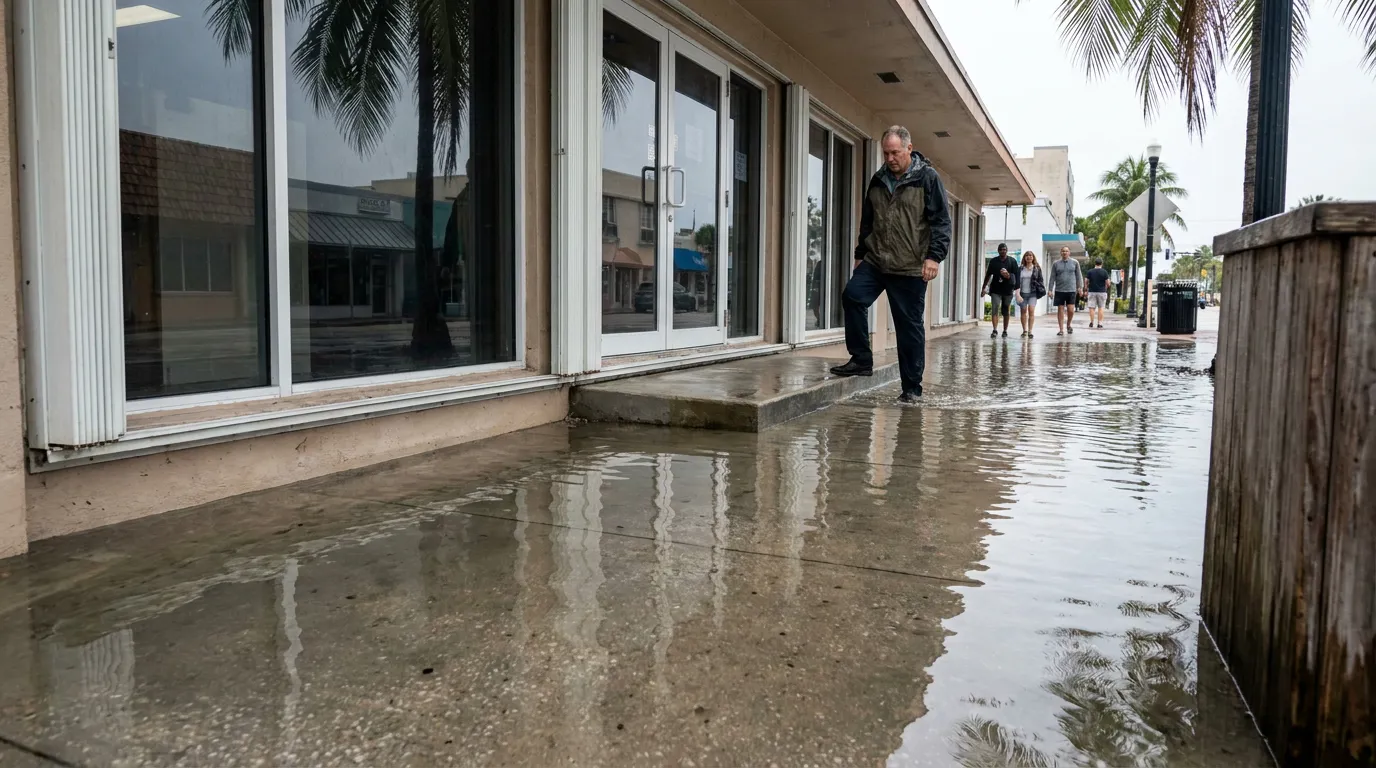 Who Is Liable When King Tide Flooding Causes a Ft Lauderdale Slip and Fall?
When Rising Tides Turn Sidewalks Into Hazards Key Takeaways: When king tide flooding causes a slip and fall at a Ft. Lauderdale property, liability falls on the owner, operator, lessor, or manager who failed to address a dangerous condition they knew or should have known about under Florida’s premises liability law in Chapter 768. Your...
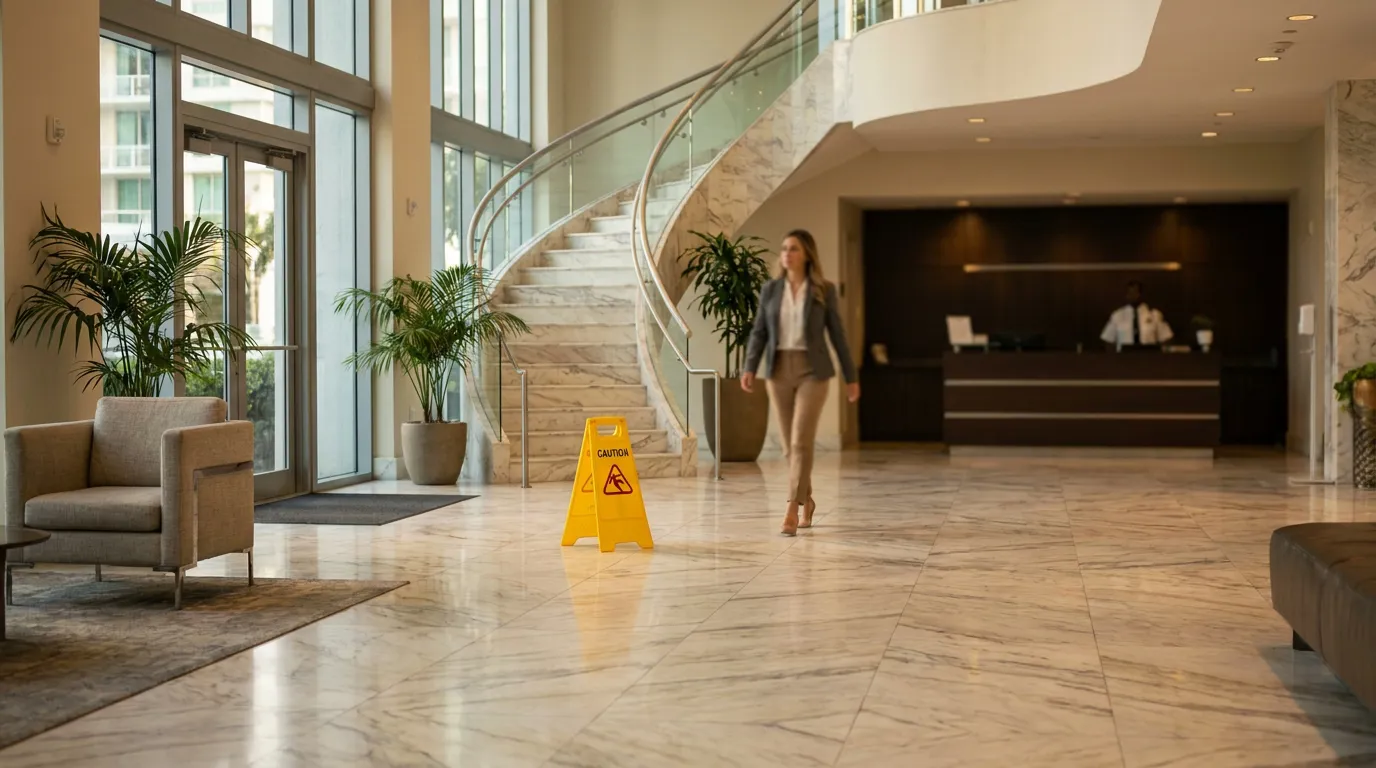 Who Is Liable for a Slip and Fall at a Brickell High-Rise Condo?
Untangling Responsibility When You Fall Inside a Brickell Tower Key Takeaways: Liability for a slip and fall at a Brickell high-rise depends on who controlled the area where you were hurt and whether that party failed to keep it reasonably safe. The responsible party could be the condominium association, a property management company, a commercial...

Slip and fall accidents don’t sound dangerous, but they can cause serious harm. If you’ve been injured in a fall at a Marriott hotel due to another’s negligence, your priority should be getting the medical assistance you need. Reporting your injury to the hotel owner or manager and identifying the cause of your fall can...

A transitory foreign substance is any solid or liquid substance, object, or item that is located in a place that it does not belong. The law regarding transitory foreign substances is part of premises liability, and its definition often arises in slip and fall cases. Florida Statute 768.0755 states that if a person slips and...

If you slip and fall in a grocery store, you should immediately notify the manager on duty and ask them to call 911 if you need emergency medical assistance. Do not make assumptions about your injuries, either. Report the incident to the store manager and see a doctor. You may even call the police to...

The statute of limitations for slip and fall accident cases in Florida is set at two years. Under this law, you generally have two years from the fall or from the date you discovered injuries to file a personal injury lawsuit. There are several legal considerations to weigh when determining if your window to file...