
What Injured Visitors Should Know Before Filing a Government Slip-and-Fall Claim in Plantation
Key Takeaways:You can sue a government entity after a slip and fall in Plantation, but the process is narrower and more technical than a standard premises liability case due to sovereign immunity. Florida Statutes Section 768.28 only partially waives that immunity, and courts interpret the waiver narrowly. Before filing suit, you must submit a written notice of claim, separate from the civil statute of limitations. Recovery is capped at $200,000 per person and $300,000 per incident, with higher amounts payable only through legislative action. The agency itself, not the individual employee, is typically the proper defendant, and these claims generally proceed in Florida state court. Because liability often turns on legal duty and the governmental-versus-proprietary distinction, acting quickly to preserve evidence and meet deadlines is essential.
Yes, you can sue a government entity after a slip and fall in Plantation, but the path is narrower and more technical than a standard premises liability case. When you fall on public property, a city sidewalk, county building, or government facility, you are dealing with a public entity that enjoys sovereign immunity, a legal shield limiting when and how it can be sued. Understanding these rules protects your right to recover for medical bills, lost wages, and rehabilitation.
If you were hurt on government property in Plantation, the team at Chalik & Chalik Injury Lawyers can help you evaluate your options. Call our office at 954-476-1000, visit Chalik & Chalik Injury Lawyers to learn more, or use our online case review form to discuss your case.
Sovereign Immunity Sets the Ground Rules
Suing a government entity in Florida starts with a doctrine that presumes the government cannot be sued at all. The Florida Constitution, Article X, section 13, addresses sovereign immunity by providing that suit against the state may be authorized only as permitted by general law, establishing baseline immunity that limits tort claims against public bodies.
That default only changes because the Legislature chose to change it. The Florida Legislature waived sovereign immunity when it adopted Florida Statutes Section 768.28. Under Fla. Stat. § 768.28(1), the state waives sovereign immunity for tort liability, but only to the extent specified in that act. You may sue a city, county, or agency for negligence, but only within the boundaries the statute authorizes.
A Limited Waiver, Not an Open Door
Florida law only partially waives sovereign immunity, a critical distinction for anyone pursuing a government slip and fall claim. The state waived sovereign immunity for tort actions through a 1973 statute, codified at Fla. Stat. § 768.28. That reform allows negligence suits against the state, its agencies, and subdivisions, including municipalities like Plantation.
Even with that waiver, courts have not read it generously. Florida courts have historically construed the waiver narrowly, meaning claimants face stricter hurdles than in typical private premises liability cases. The legislative history and consequences are examined in this analysis of Florida’s waiver of sovereign immunity statute, which traces how judicial decisions reshaped governmental tort liability boundaries.
Filing the Florida 768.28 Notice of Claim
Before filing a lawsuit against a government entity, you generally must submit a written notice of claim, one of the most important procedural steps in a Plantation slip and fall case. Under Fla. Stat. § 768.28(6)(a), you cannot institute an action against the state or its agencies unless you present the claim in writing to the appropriate agency, generally within three years of the incident. Skipping this step can end a case before it reaches the merits.
The florida 768.28 notice of claim requirement is separate from ordinary civil deadlines. This administrative prerequisite differs from the civil statute of limitations, and courts apply these timelines strictly. Because deadlines vary based on the entity involved and when the claim is discovered, and tolling applies only in limited circumstances, prompt action matters. Review the full statutory text of Florida Statutes Section 768.28 to see how notice provisions are worded.
💡 Pro Tip: Preserve evidence immediately after a fall on public property. Photographs of the hazard, incident reports, maintenance logs, and witness information can be difficult to obtain later and often make the difference in proving a government slip and fall claim.
Damage Caps Limit What You Can Recover
Even strong, well-documented claims run into statutory ceilings on recovery. Damage recovery against government entities is capped. Under Fla. Stat. § 768.28(5), tort recovery is capped at $200,000 per person and $300,000 per incident, with amounts above those caps payable only by legislative action through a claim bill.
These caps often surprise injured people whose damages exceed statutory limits. For serious falls involving surgery or permanent injury, real losses can far exceed what the statute allows without a legislative claim bill. To understand how these limits function, review our overview of Florida sovereign immunity caps. Early assessment of your losses helps set realistic expectations.
| Recovery Limit Under Fla. Stat. § 768.28(5) | Amount |
|---|---|
| Per person | $200,000 |
| Per incident | $300,000 |
| Above the cap | Only by further act of the Legislature |
Who You Sue, and Where the Case Belongs
In most government injury claims, the proper defendant is the agency itself, not the individual worker. Under Fla. Stat. § 768.28(9), no officer, employee, or agent may be held personally liable in tort for acts within the scope of employment unless the person acted in bad faith, with malicious purpose, or in a manner exhibiting wanton and willful disregard of human rights, safety, or property. For routine slip and falls caused by failure to clean up hazards or maintain walkways, the entity is the party you pursue.
Where you file also matters. The waiver does not extend to suits against the state in federal court, so state-entity slip-and-fall claims generally must proceed in Florida state court. Under Fla. Stat. § 768.28(18), nothing is construed to waive immunity from suit in federal court under the Eleventh Amendment unless explicitly stated. Because these claims arise under state law, premises liability claims against Plantation public bodies typically land in state court.
Why Duty and the Governmental Function Distinction Matter
Whether a government entity can be held liable often turns on legal duty and how courts classify the activity. Recovery frequently depends on the governmental versus proprietary distinction and whether the entity owed a legal duty. These factors are especially relevant to municipal and county slip-and-fall liability and can be among the hardest issues to predict.
The case law itself is unsettled. Decades of Florida Supreme Court decisions construing the waiver statute have produced confusing case law where clear legal boundaries of governmental tort liability are hard to identify. Discretionary-function immunity can shield certain planning-level policy decisions from liability even after the waiver applies, while operational-level decisions may remain actionable. Common challenges include:
- Establishing that the entity owed a duty to maintain the specific area where you fell
- Overcoming arguments that a decision was a protected discretionary function
- Meeting the written notice requirement within the correct timeframe
- Documenting damages that may exceed statutory caps
Because Florida’s statute was modeled partly on the Federal Tort Claims Act, federal FTCA interpretations can inform how duty and immunity questions are analyzed, adding complexity for injured claimants.
Frequently Asked Questions About the Florida 768.28 Notice of Claim
1. Do I really have to send a notice before suing a city in Plantation?
Generally, yes. Under Fla. Stat. § 768.28(6)(a), you must present your claim in writing to the appropriate agency before filing suit against a government entity. Failing to do so can bar the case.
2. How much can I recover from a government slip and fall claim?
Fla. Stat. § 768.28(5) caps recovery at $200,000 per person and $300,000 per incident. Amounts above those limits may be paid only through legislative action.
3. Can I sue the government employee who caused my fall?
In most cases, no. Under Fla. Stat. § 768.28(9), employees are generally not personally liable for acts within their employment scope unless they acted in bad faith, with malicious purpose, or with wanton disregard for safety. The agency is typically the proper defendant.
4. Is the notice of claim deadline the same as the statute of limitations?
No. The administrative notice requirement is distinct from the civil statute of limitations, and courts interpret both strictly. Tolling applies only in limited circumstances, so waiting is risky.
5. Why can’t I file my government slip and fall case in federal court?
Under Fla. Stat. § 768.28(18), Florida does not waive its Eleventh Amendment immunity from federal court suit unless explicitly stated. These claims typically arise solely under state law and belong in Florida state court.
Protecting Your Rights After a Public Property Fall
Suing a government entity for a Plantation slip and fall is possible, but demands attention to sovereign immunity, the written notice requirement, statutory damage caps, and the correct court and defendant. Florida’s limited waiver under Fla. Stat. § 768.28 opens the door only within legislatively-set boundaries, and courts read those boundaries narrowly. Because these cases are fact-sensitive and procedurally demanding, moving quickly to preserve evidence and meet deadlines can be decisive. If you want guidance from a trusted slip and fall attorney Plantation residents rely on, a timely case review can clarify your options.
You do not have to navigate Florida’s sovereign immunity rules on your own. The team at Chalik & Chalik Injury Lawyers is ready to review your fall and explain next steps. Call 954-476-1000 or contact us through our confidential case review page to get started today.


 Is the Airport Responsible for a Moving Walkway Fall in Ft Lauderdale?
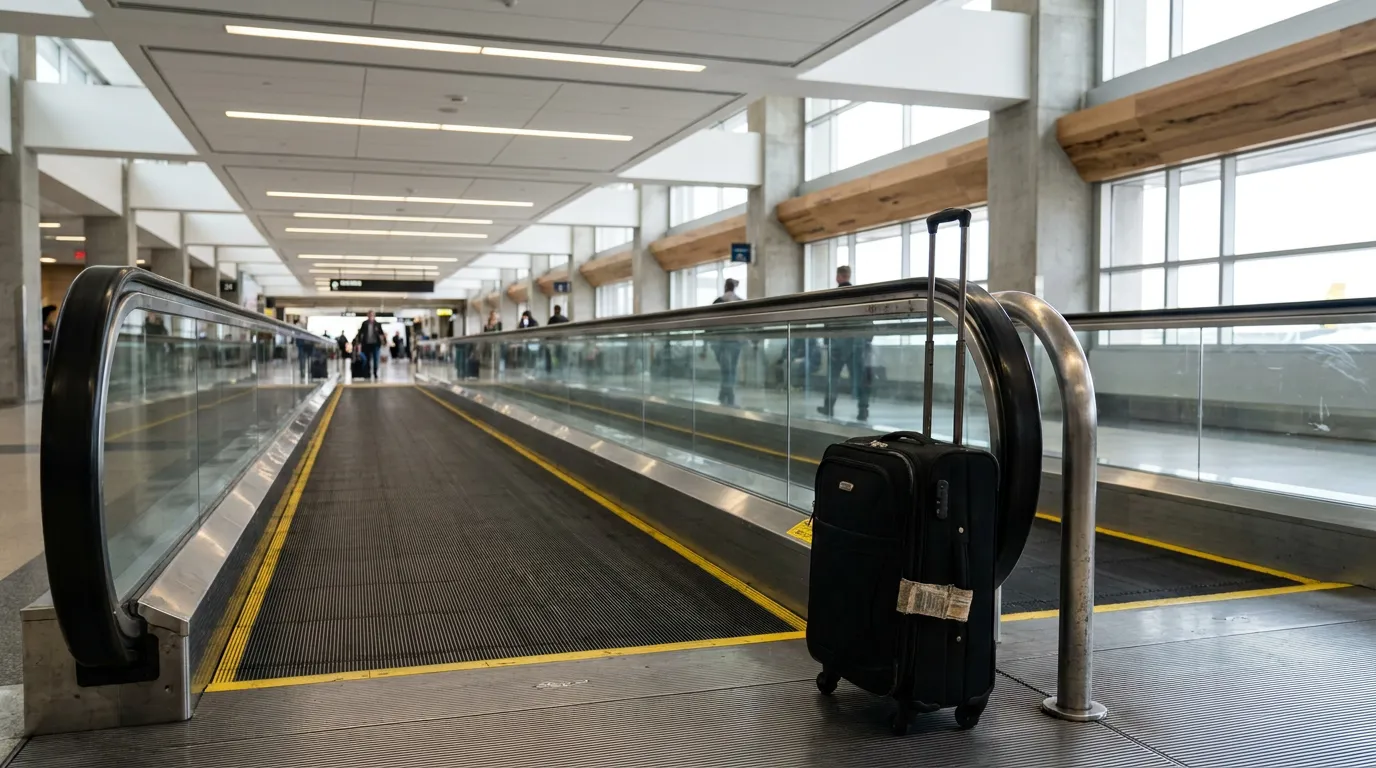
When a Simple Walk Through the Terminal Turns Dangerous Key Takeaways: A moving walkway fall at Fort Lauderdale-Hollywood International Airport may make the airport responsible, but liability requires proving the operator had actual or constructive knowledge of a hazard and failed to fix it. Since Broward County operates the airport, claims involve Florida premises liability...

As Fort Myers personal injury attorneys, we have represented victims of premises liability accidents in Florida for a number of injuries. While head injuries can be some of the most serious injuries that victims of falls may suffer from, joint injuries are often the most common. Shoulder injuries from slip and fall accidents in South...

Florida slip and fall accidents happen on a continual basis in a wide range of scary scenarios. These accidents account for over one million injuries every year in the U.S., while approximately 17,000 people die from their injuries. A slip and fall or trip and fall accident can happen in a wide variety of places...
 What Should You Do After a Slip and Fall in Ft Lauderdale?
What Should You Do After a Slip and Fall in Ft Lauderdale? A slip and fall accident can happen in seconds, but the steps you take immediately afterward can determine whether you receive fair compensation for your injuries. Whether you’ve fallen at a grocery store, restaurant, hotel, or shopping mall in Ft Lauderdale, knowing what...

You may sue an airport for falling if you suffered injuries and have resulting expenses and losses. When a fall occurs, it is generally because of a preventable hazard. The property owner or another entity in charge of maintaining the property has an obligation to keep the area free from hazards. Your Florida slip and...

There are two main types of slip and fall accidents: Elevated falls – These occur when a person falls from one level down onto another. They can be as simple as tripping off a sidewalk into the road, or as complex as falling off scaffolding on a construction site. Same-level falls – These occur when...

If you slip and fall at a dollar store, these are the following steps you should take to ensure your health and possibly support your personal injury or premises liability claim: You should check for injuries and get immediate medical attention to address them. You should collect evidence while still inside the store by taking...

A transitory foreign substance is any solid or liquid substance, object, or item that is located in a place that it does not belong. The law regarding transitory foreign substances is part of premises liability, and its definition often arises in slip and fall cases. Florida Statute 768.0755 states that if a person slips and...