
How Long Do You Have to File a Slip and Fall Claim in Miami?
If you slipped and fell at a Miami business, you may have a limited window to take legal action. Under Florida law, the statute of limitations sets a firm deadline for filing a personal injury lawsuit, and missing it can mean losing your right to seek compensation entirely. For slip and fall cases in Miami, the deadline is two years from the date of injury, as established by Florida Statute §95.11(3)(a). Understanding this timeline and what you need to prove can make the difference between recovering damages and walking away with nothing.
If you have been injured in a slip and fall accident and need guidance, Chalik & Chalik Injury Lawyers can help. Call 954-476-1000 or contact us today to discuss your situation.
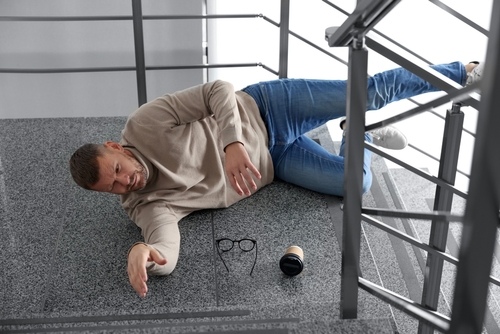
Understanding the Two-Year Statute of Limitations for Slip and Fall Cases in Florida
Florida’s statute of limitations for negligence-based claims, including slip and fall injuries, is now two years. Previously, Florida Statute §95.11 allowed four years for negligence actions. However, the legislature amended this provision in 2023 through House Bill 837, effective March 24, 2023, reducing the filing period to two years. If you were hurt in a slip and fall at a Miami grocery store, hotel, or restaurant on or after that date, you generally have two years from the incident date to file a lawsuit.
Missing the deadline can have severe consequences. If you fail to file within the required period, the defendant may raise the statute of limitations as an affirmative defense, and the court will likely dismiss your case. Narrow exceptions may toll the clock under limited circumstances, such as when the injured person is a minor or mentally incapacitated. However, courts interpret these exceptions narrowly, so do not assume any extension applies without consulting an attorney.
💡 Pro Tip: Start gathering evidence immediately after your fall. Surveillance footage, incident reports, and witness contact information can disappear quickly, and waiting even a few weeks may make your case harder to prove.
What You Must Prove in a Miami Slip and Fall Claim
Actual or Constructive Knowledge of the Hazard
Florida Statute §768.0755 places the burden of proof on the injured person. Under this statute, if you slip and fall on a transitory foreign substance in a business establishment, you must prove the business had actual or constructive knowledge of the dangerous condition and should have taken action to remedy it. This is the central legal hurdle in nearly every slip and fall claim in Miami.
Constructive knowledge can be established through circumstantial evidence. Under §768.0755(1)(a)-(b), you may show the dangerous condition existed long enough that ordinary care would have required the business to discover it. Alternatively, you can demonstrate the condition occurred with regularity and was therefore foreseeable. For example, if a produce aisle consistently had water or debris on the floor due to refrigeration issues, that pattern could support constructive knowledge.
Proving Negligence: Duty, Breach, Causation, and Damages
Every slip and fall lawsuit requires you to prove four core elements. You must show the property owner owed you a duty of care, breached that duty, the breach caused your injuries, and you suffered actual damages. In a business setting, the duty of care generally means maintaining premises in a reasonably safe condition.
Documenting your injuries and losses strengthens your case considerably. Medical records, photographs of the hazard, and records of lost wages all serve as evidence tying the business’s negligence to your harm.
💡 Pro Tip: Ask the store or business manager to create a written incident report before you leave the scene. Request a copy for your records, as businesses are not always required to provide one later.
How Comparative Negligence Can Affect Your Recovery
Florida’s modified comparative fault system may reduce or eliminate your compensation if you share some blame. Under Florida Statute §768.81, as amended by HB 837 in 2023, contributory fault diminishes the award proportionately. However, if you are found greater than 50 percent at fault, you are barred from recovering any damages. If a court finds you 20 percent at fault for not noticing a clearly visible hazard, your award would be reduced by 20 percent, but if your fault exceeds 50 percent, you would recover nothing.
Insurance companies frequently argue comparative negligence in slip and fall cases. They may claim you were distracted by your phone, wearing inappropriate footwear, or ignoring posted warning signs. Being aware of this defense strategy helps you and your attorney prepare a stronger case.
💡 Pro Tip: After a fall, avoid giving recorded statements to the property owner’s insurance company before speaking with an attorney. Adjusters may use your words to argue you were partially at fault.
Common Defenses You May Face in a Slip and Fall Lawsuit
Property owners and their insurers rely on several recurring defenses. Understanding these ahead of time helps you anticipate challenges and build a more resilient case. Below is a summary of the most common defense strategies:
| Defense | How It Works | How to Counter It |
|---|---|---|
| Lack of knowledge | Business argues it did not know about the hazard | Show the condition existed long enough or occurred with regularity under §768.0755 |
| Comparative negligence | Defendant claims you were partially at fault | Document the scene and your actions to demonstrate reasonable care |
| Statute of limitations | Defendant argues you filed too late | File well within the two-year deadline under §95.11(3)(a) |
| Open and obvious hazard | Business claims the danger was clearly visible | Demonstrate that the hazard was not as apparent as the defense suggests |
The "lack of knowledge" defense is among the most common in Miami slip and fall litigation. Businesses are not automatically liable simply because someone falls on their property. You must affirmatively prove they knew or should have known about the hazard. Gathering time-stamped evidence, such as surveillance footage or employee cleaning logs, can be critical.
Why Acting Quickly Matters for Your Slip and Fall Claim in Miami
Evidence in slip and fall cases is often time-sensitive. Surveillance video may be overwritten within days. Witnesses move away or forget details. The hazard gets cleaned up, sometimes within minutes. The sooner you act, the better your chances of preserving needed proof.
Filing a slip and fall lawsuit also involves procedural steps that take time. Your attorney will need to investigate the scene, obtain records, consult with medical providers, and potentially retain experts to analyze the conditions. Starting early gives your legal team time to build a thorough case. If you are unsure about Florida’s two-year deadline for slip and fall claims, getting clarity sooner protects your rights.
💡 Pro Tip: Take photos and video of the scene with your phone immediately after the fall. Capture the hazard, your injuries, your footwear, the lighting, and any warning signs (or lack thereof) in the area.
How a Slip and Fall Attorney in Miami Can Help Protect Your Rights
Navigating a premises liability claim without legal guidance can put your case at risk. Florida’s burden-of-proof requirements under §768.0755 are demanding, and insurance companies have experienced adjusters working to minimize your claim. A slip and fall attorney in Miami can help you identify the right evidence, meet critical deadlines, and pursue full damages.
An attorney can also help you understand how Florida’s modified comparative fault rules may apply. Every case involves unique facts, and the outcome often depends on how effectively those facts are presented. From gathering maintenance records to interviewing witnesses, experienced legal counsel can make a meaningful difference.
💡 Pro Tip: Keep a detailed journal of your symptoms, medical appointments, and how your injuries affect your daily life. This personal record can serve as valuable evidence when calculating pain and suffering damages.
Frequently Asked Questions
1. What is the statute of limitations for a slip and fall in Miami?
How long do I have to file?
Under Florida Statute §95.11(3)(a), the statute of limitations for a negligence-based slip and fall claim is two years from the date of injury. This deadline was reduced from four years following a 2023 amendment through House Bill 837, effective March 24, 2023. If you do not file within this window, you may permanently lose your right to pursue compensation.
2. What do I need to prove in a Florida slip and fall case?
What evidence is required?
You must prove the business had actual or constructive knowledge of the dangerous condition under Florida Statute §768.0755. Additionally, you need to establish the standard negligence elements: duty, breach, causation, and damages. Circumstantial evidence such as how long the hazard existed or whether it occurred with regularity can help establish constructive knowledge.
3. Can I still recover damages if I was partially at fault?
Does shared fault eliminate my claim?
It depends on your percentage of fault. Florida’s modified comparative negligence framework under §768.81 reduces your damages proportionally to your fault, but if you are greater than 50 percent at fault, you are barred from recovering. For instance, if you are 30 percent responsible, your award would be reduced by 30 percent. If your fault exceeds 50 percent, you would recover nothing.
4. What kind of evidence should I preserve after a slip and fall?
What steps should I take right away?
Preserve as much evidence as possible immediately after your fall. This includes photographs of the hazard, your injuries, and the surrounding area. Request surveillance footage, obtain witness contact information, and seek medical attention promptly. Medical records that link your injuries to the incident are essential.
5. What if the business claims they did not know about the hazard?
How do I overcome a lack-of-knowledge defense?
You can use circumstantial evidence to establish constructive knowledge under §768.0755(1)(a)-(b). Show the condition existed long enough that the business should have discovered it through ordinary care, or that the same hazard occurred with regularity and was foreseeable. Employee cleaning schedules, maintenance logs, and prior incident reports can support this argument.
Take Action Before Time Runs Out on Your Miami Slip and Fall Case
The two-year statute of limitations in Florida means every day counts after a slip and fall injury. From proving the business knew about the hazard to overcoming comparative fault arguments, building a strong claim takes time and preparation. The sooner you begin, the better positioned you are to protect your rights and pursue fair compensation.
If you or a loved one was injured in a slip and fall in Miami, Chalik & Chalik Injury Lawyers is ready to help you understand your legal options. Call 954-476-1000 or reach out online to schedule a consultation.


Florida slip and fall accidents happen on a continual basis in a wide range of scary scenarios. These accidents account for over one million injuries every year in the U.S., while approximately 17,000 people die from their injuries. A slip and fall or trip and fall accident can happen in a wide variety of places...

As Fort Myers personal injury attorneys, we have represented victims of premises liability accidents in Florida for a number of injuries. While head injuries can be some of the most serious injuries that victims of falls may suffer from, joint injuries are often the most common. Shoulder injuries from slip and fall accidents in South...
 Who Is Considered an Invitee Under Plantation Slip and Fall Law?
Understanding Your Rights as a Visitor on Florida Property Key Takeaways: If you were injured while shopping, dining, or visiting a business in Plantation, you were most likely an invitee under Florida law, a person invited onto property for a business purpose. Florida sorts visitors into three categories, invitee, licensee, and trespasser, each carrying different...
 How to Build a Strong Miami Airport Slip and Fall Injury Claim
When a Terminal Stumble Turns Into a Legal Fight Key Takeaways: Building a strong Miami International Airport slip and fall claim requires proving the property operator breached its duty of care to you as a lawful "invitee," the category owed the highest protection under Florida law. The central challenge is showing the business had actual...

If you slipped, fell, and got hurt, you might be wondering if you have a valid personal injury claim and the right to pursue fair compensation. In many slip and fall cases, it comes down to whether a property owner knew (or should have known) about a dangerous condition and didn’t fix it in a...

When you receive a settlement for a slip and fall accident, you might wonder if you have to pay taxes on the money. The answer depends on what the settlement covers. Some parts of a settlement are considered taxable by the Internal Revenue Service (IRS), while others are not. Understanding how the IRS treats different...

If you were involved in a wet floor slip and fall accident, you should know that: If another party’s negligence caused your accident, you can seek compensation. You should collect any type of evidence possible to strengthen your case. Slip and fall accidents can cause severe injuries, so you should seek medical care right away....

If you were injured when you fell in a gym, you could sue the gym for a slip and fall accident. To sue the gym, you will have to prove they were negligent in some way and that their negligence caused your fall. A local slip and fall lawyer in Fort Lauderdale can explain the...