
Future Knee Surgery and Your Florida Fall Claim
Key Takeaways:Yes, Florida law may let you recover the cost of a future knee replacement after a fall if you can prove with reasonable certainty that the fall caused or worsened the condition that requires surgery. Florida Statutes § 768.0427(4)(c) includes future medically necessary treatment in recoverable medical damages. The amount is limited to the cost evidence the court admits, which often depends on your health coverage. If you slipped on a transitory foreign substance in a business, you generally must also prove the business had actual or constructive knowledge of the hazard under § 768.0755. Insurers often argue that future surgery is speculative, that your knee was already damaged, or that you share fault. In most negligence cases, a person found more than 50 percent at fault cannot recover. Most negligence claims carry a two-year filing deadline, and claims against government entities have extra notice rules. Steady medical care, written surgeon opinions, and early evidence preservation may help protect your claim.
Yes, Florida law may allow you to recover the cost of a knee replacement you have not had yet, if you can prove the fall caused the need for it. A hard fall on a wet grocery store floor or a slick hotel lobby can damage cartilage, ligaments, and bone, and the damage that leads to a knee replacement sometimes shows up years later. Florida Statutes § 768.0427(4)(c) expressly includes future medically necessary treatment in recoverable medical damages. You still must prove the property owner was at fault, link the fall to your knee damage, and present admissible evidence that the surgery is reasonably certain and what it will cost.
If a fall in Fort Lauderdale left you facing knee surgery, you may want to understand your rights before you talk to an insurance adjuster. The team at Chalik & Chalik Injury Lawyers can review your situation and explain how Florida law may apply. Call 954-476-1000 or contact us now to schedule a free consultation.
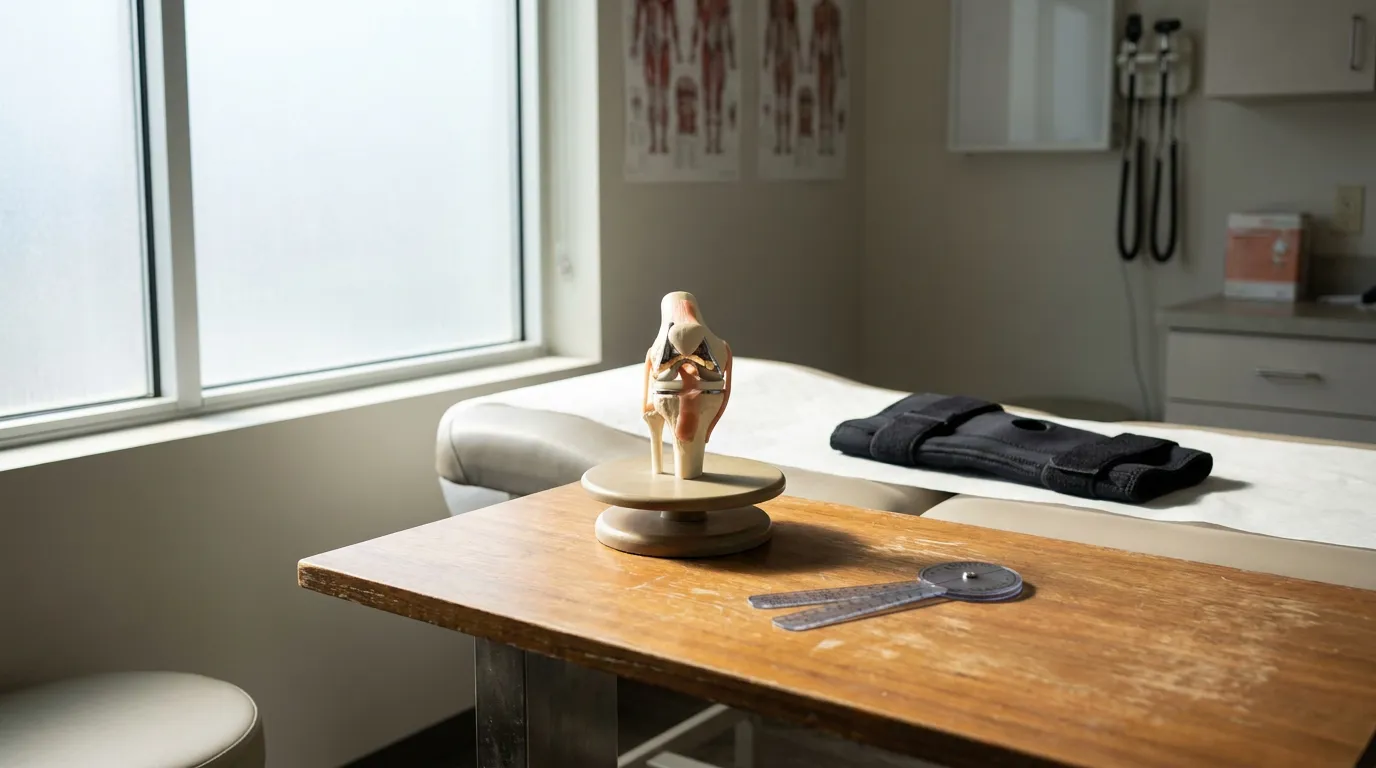
How Florida Law Treats Future Medical Damages
Florida generally treats the cost of care you are reasonably certain to need later as part of your medical damages. Under Florida Statutes § 768.0427(4)(a)-(c), total medical damages generally cannot exceed the sum of three amounts:
- Amounts actually paid for past treatment, no matter who paid them
- Amounts needed to pay unpaid medical charges that are due and owing
- Amounts needed for medically necessary treatment or services you will receive in the future
That third category gives you the legal basis to claim future medical damages, such as a later knee replacement. The statute also limits medical damages to the medical expense evidence admitted under subsection (2). A doctor’s general opinion that you "might need surgery someday" is often not enough. Florida courts generally require proof that future treatment is reasonably certain, along with admissible evidence of its likely cost.
What Evidence Can Prove the Cost of a Future Knee Replacement?
Under Florida Statutes § 768.0427(2)(c)1.-3., the evidence used to price a future surgery depends on your health coverage. These rules can greatly affect the value of a claim. You can review the full text of Florida’s damages statutes in Chapter 768.
| Your Coverage Situation | Evidence That May Be Admitted for Future Costs |
|---|---|
| Health coverage other than Medicare or Medicaid, or eligible for it | What that coverage would pay, plus your share (deductibles, copays) |
| Uninsured, Medicare, or Medicaid | 120% of the Medicare reimbursement rate in effect at the time of trial |
| Uninsured, Medicare, or Medicaid, with no applicable Medicare rate | 170% of the applicable Florida Medicaid rate |
| Any situation | Evidence of reasonable future amounts to be billed for medically necessary treatment |
Treating doctors, orthopedic surgeons, life-care planners, and medical billing experts often testify about costs. They should base their opinions on your actual condition, age, and expected course of treatment.
Why Past Medical Bills Matter Too
Evidence of your paid past bills, such as the ER visit, imaging, and any earlier knee surgery, is generally limited to the amount actually paid. Florida Statutes § 768.0427(2)(a) limits evidence of past paid medical damages to "the amount actually paid, regardless of the source of payment." If you were treated under a letter of protection, § 768.0427(2)(b) adds more rules, and § 768.0427(3) requires certain disclosures.
Some rules protect injured people. Section 768.0427(2)(d) states that you have no duty to seek a reduction in billed charges your contract does not entitle you to. Under § 768.0427(2)(e), individual contracts between providers and commercial insurers or HMOs are not discoverable or admissible.
💡 Pro Tip: Keep every explanation of benefits, payment receipt, and letter of protection you receive. These papers may directly shape which medical damage figures a jury gets to see.
Linking the Fall to Your Knee: The Medical Causation Question
To recover the cost of a future replacement, you generally must show the fall caused or worsened the knee condition that requires it. Insurance companies often argue that knee damage came from age, prior wear, or arthritis rather than the fall. You usually must prove causation through a qualified medical opinion. For example, research indexed by the National Library of Medicine examines how medications such as bisphosphonates and hyaluronic acid affect the incidence of knee and hip replacement in osteoarthritis patients, and other peer-reviewed research supports the broader principle that traumatic knee injuries, such as ligament, meniscus, or cartilage damage, can lead to osteoarthritis and eventually require knee replacement.
Post-traumatic osteoarthritis is one common path from a fall to a replacement. A torn meniscus, a fracture near the joint, or a ligament injury can change how the knee bears weight, and cartilage may break down faster. Florida law may also allow recovery when a fall worsens a pre-existing condition, generally only for the worsening. If the jury cannot separate the two, Florida’s standard jury instructions generally hold the defendant responsible for all of the damage.
The Added Cost of Revision Surgery
For some people, the future surgery is a revision of an earlier implant. Surgeons generally perform revisions when an implant fails because of wear, loosening, infection, instability, or trauma. Revisions are generally more complex than first-time replacements, with greater risks and costs. If a fall damages an existing implant, you would still need medical evidence linking the damage to the fall rather than normal wear.
Building Slip and Fall Settlements With Knee Surgery
Strong slip and fall settlements with knee surgery generally rest on proof of fault and proof of damages. Even with a well-documented need for surgery, you may recover nothing if you cannot show the business was responsible for the hazard. That is why early evidence gathering matters.
Proving the Business Knew About the Hazard
Under Florida Statutes § 768.0755(1), a person who slips and falls on a transitory foreign substance in a business must prove the business had actual or constructive knowledge of the dangerous condition and should have fixed it. This rule often applies to spills in Fort Lauderdale grocery stores, restaurants, and retail stores. Without proof of notice, you generally cannot recover anything, including the cost of a future knee replacement. Falls caused by other hazards, such as structural defects, may fall under general premises liability rules instead.
You can show constructive knowledge with circumstantial evidence in either of two ways. Under § 768.0755(1)(a)-(b), you may show the condition existed long enough that the business should have known about it, or that the condition happened regularly and was therefore foreseeable. Useful evidence often includes surveillance video, inspection and cleaning logs, prior complaints, and witness statements.
💡 Pro Tip: Stores often record over surveillance footage within days or weeks. A prompt written request asking the business to preserve video may help protect footage that shows how long a spill sat on the floor.
Common Challenges in a Knee Replacement Slip and Fall Claim
Insurers often push back hardest on future costs because you have not incurred them yet. You may hear several familiar arguments:
- Your knee was already arthritic before the fall.
- Surgery is speculative or may never happen.
- Your projected costs exceed what the statute allows into evidence.
- You share fault for the fall.
The last argument can carry serious consequences. Under Florida Statutes § 768.81(6), an injured person found more than 50 percent at fault generally cannot recover damages in a negligence case. This bar does not apply to medical negligence claims. If you are 50 percent or less at fault, the court reduces your award by your percentage of fault. Deadlines matter too. Florida Statutes § 95.11(5)(a) generally sets a two-year deadline for negligence claims that accrue on or after March 24, 2023. Claims against government entities also carry separate pre-suit notice rules under § 768.28.
For a broader look at what you can recover, learn more about recoverable slip and fall damages in Florida. Lost wages, pain and suffering, and reduced earning capacity may also play a role alongside medical costs.
Steps That May Protect Your Claim for Future Surgery
What you do in the weeks after a fall can affect how insurers and courts view a future surgery claim. Insurers often use gaps in treatment to argue that your injury was minor or unrelated. Steady follow-up care may help create a medical record that connects the fall to your ongoing knee problems.
Ask your orthopedic surgeon to write down whether you will likely need a replacement, and when. A treating doctor who explains the medical basis for future surgery can carry a lot of weight. Working with a slip and fall settlements with knee surgery lawyer may help you organize medical opinions, cost evidence, and proof of fault before the deadline passes.
💡 Pro Tip: Avoid giving a recorded statement to the property owner’s insurer before you understand your injuries. The insurer may later use early comments such as "my knee feels fine" against a future surgery claim.
Frequently Asked Questions
1. Can I recover for a knee replacement I have not scheduled yet?
You may be able to, if the evidence shows the surgery is reasonably certain, medically necessary, and caused by the fall. Florida Statutes § 768.0427(4)(c) includes future treatment in recoverable medical damages, generally limited to the cost evidence the court admits.
2. What if my knee had arthritis before I fell?
A pre-existing condition does not automatically bar a claim. Florida law may allow recovery when a fall worsens an existing condition, generally only for the worsening.
3. Does my health insurance affect what I can recover?
It can affect which evidence the court admits to prove future costs. Under § 768.0427(2)(c), people with other health coverage may show what their plan would pay plus their share. Uninsured people and Medicare or Medicaid recipients may use figures based on Medicare or Medicaid rates.
4. Do I need to prove the store knew about the spill?
Generally, yes, for transitory foreign substances in a business. Florida Statutes § 768.0755(1) requires proof of actual or constructive knowledge.
5. How long do I have to file a claim?
Most Florida negligence claims that accrue on or after March 24, 2023, carry a two-year deadline under § 95.11(5)(a). Claims against government entities have extra notice rules, so prompt legal review may be important.
Planning for the Knee Surgery Still Ahead
Florida law may allow you to recover the cost of a future knee replacement, but these claims depend on careful proof. In transitory substance cases, you generally must show the business had notice of the hazard. You must also connect the fall to your knee damage and present admissible evidence of future costs under § 768.0427.
If you are facing knee surgery after a fall in Fort Lauderdale, you may want answers before you accept any settlement offer.Chalik & Chalik Injury Lawyers can review your medical records and evidence with you. Call 954-476-1000 or schedule your free consultation today.
Disclaimer: This content is for informational purposes only and is not legal advice. Every case is unique, and results may vary. Consult an attorney about your specific circumstances.


When a Store Destroys Video Evidence After Your Plantation Fall If you slipped and fell in a Plantation store and discovered the surveillance footage was deleted, your case isn’t over. Under Florida law, destroying evidence (spoliation) triggers serious legal consequences. Courts recognize that stores may have a duty to preserve video recordings once aware a...
 Can You Recover Damages if a Miami Slip and Fall Worsened an Old Injury?
When a Fall Makes an Old Injury Worse in Miami Key Takeaways: Yes, you may be able to recover damages if a Miami slip and fall worsened an old injury. Recovery is generally limited to the extra harm the fall caused, not the pre-existing condition itself. If the jury cannot separate the two, Florida’s standard...

Hoverboards have become increasingly popular, but many people are unaware of how dangerous the self-balancing scooters can be. Florida hospitals have seen a spike in the number of adults and children in emergency rooms due to hoverboard injuries over the past holiday season. Besides posing a fire hazard, the two-wheeled electric scooter also puts users...
 Who Is Liable for a Slip and Fall at Fort Lauderdale Airport?
Understanding Liability After a Terminal Fall at Fort Lauderdale, Hollywood International Key Takeaways: Liability for a slip and fall at Fort Lauderdale, Hollywood International Airport depends on who controlled the area where you were hurt, the airport authority, a maintenance contractor, an airline, or a retail tenant. Florida allocates fault by percentage, with multiple parties...

Slip and fall accidents don’t sound dangerous, but they can cause serious harm. If you’ve been injured in a fall at a Marriott hotel due to another’s negligence, your priority should be getting the medical assistance you need. Reporting your injury to the hotel owner or manager and identifying the cause of your fall can...

Filing a slip and fall lawsuit helps you hold a property owner or business manager responsible for the injuries you suffered. When dangerous conditions cause harm, you have the right to pursue compensation through the court system. The legal process begins when you file a formal complaint against the person or business responsible for maintaining...

Often, Florida cities and municipalities are held responsible for the upkeep and maintenance of sidewalks and could, therefore, be liable for injuries and losses suffered by a victim in a slip and fall accident on a public sidewalk. If the public sidewalk is owned by a condo or homeowner association, then they would have the...

In a slip and fall accident case, medical records serve as vital evidence to support a compensation claim. Your medical records will document your injuries and treatments, establish a link between the accident and your injuries, and help the insurance company and your lawyer determine how much compensation you deserve to recover. A Fort Lauderdale...