
What Cruise Passengers Should Know Before a Venue Fight Begins
Key Takeaways:A cruise ticket’s forum selection clause is generally enforceable, but the fundamental fairness test from Carnival Cruise Lines, Inc. v. Shute may let a passenger challenge it by showing fraud, overreaching, inadequate notice, or a forum that leaves no realistic remedy. The burden generally falls on the passenger resisting enforcement, and courts may weigh contract formation circumstances alongside the practical effects of enforcement. Inconvenience or travel expense alone rarely suffices; stronger challenges often pair notice defects with a forum where evidence, witnesses, and treating physicians are effectively unreachable. Federal maritime law frames the analysis, and Florida statutes on foreign forum clauses, adequate alternative forums, and unconscionability reflect parallel reasoning even though they do not themselves govern cruise ticket disputes. Importantly, a venue dispute generally does not pause the one-year limitation period or shorter written notice requirements common in passenger tickets. Documenting the incident early and having counsel review the ticket contract promptly can help preserve both venue objections and filing deadlines.
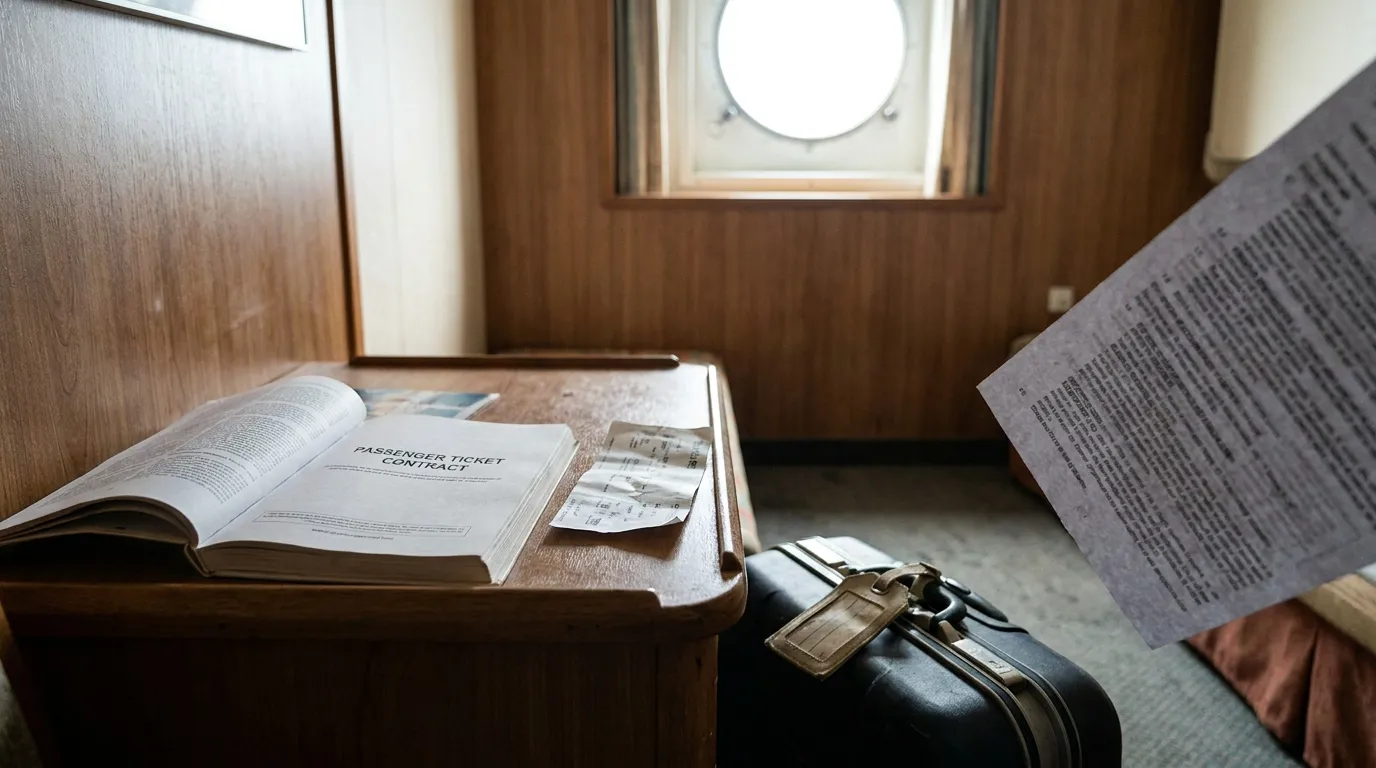
When you buy a cruise ticket out of Port Everglades, you accept a contract you likely never negotiated, and buried inside it is a clause dictating where any lawsuit must be filed. Courts generally enforce that language, but not without limits. Under the fundamental fairness test from Carnival Cruise Lines, Inc. v. Shute, 499 U.S. 585 (1991), a cruise ticket forum selection clause may be set aside where a passenger shows fraud, overreaching, lack of meaningful notice, or that the designated forum strips away any realistic remedy. The burden generally sits with the party resisting the clause, and the analysis tends to be intensely fact-driven.
If a cruise line says your case belongs in a distant courthouse, don’t assume the fight is over. The team at Chalik & Chalik Injury Lawyers reviews ticket contracts, filing deadlines, and venue defenses for injured passengers and crew members. Call 954-476-1000 or contact us now to discuss your situation.
Where the Fundamental Fairness Test Came From
The modern rule traces back to a single Supreme Court decision involving a passenger who slipped and fell aboard a cruise ship. In Shute, the Court held that a forum clause printed on a non-negotiated passenger ticket, requiring suit in Florida, could still be enforced, reasoning that cruise lines have legitimate interests in limiting the forums where they face suit and that passengers may benefit indirectly through pricing. The Court did not hand cruise lines unlimited power, however.
Instead, the decision built in a safety valve. A clause remains subject to judicial scrutiny for fundamental fairness and may be unenforceable if obtained by fraud or overreaching, if the passenger lacked notice, or if the forum was chosen to discourage legitimate claims. Academic scholarship, including work published in the University of Florida Law Review, traces how lower courts have applied that standard over the decades.
Because Carnival, Royal Caribbean, and other major lines are headquartered in South Florida, the Eleventh Circuit has produced a substantial body of case law applying this standard. That makes Florida cruise litigation a proving ground for passenger contract challenges nationally. It also means Fort Lauderdale passengers are often litigating in the very district the cruise line selected, which is one reason many South Florida passengers have no venue objection to raise at all.
Factors Courts May Weigh in a Passenger Contract Challenge
Federal courts applying the maritime fundamental fairness standard generally don’t use a rigid checklist, but recurring themes appear across maritime contract law decisions. Judges tend to examine the circumstances of contract formation and the practical consequences of enforcement. Outcomes may depend heavily on the evidentiary record a passenger develops.
- Whether the clause resulted from fraud, bad faith, or overreaching by the carrier
- Whether the passenger received reasonably communicative notice of the clause before sailing
- Whether the chosen forum would deprive the passenger of any meaningful remedy
- Whether disparity in bargaining power meaningfully affected the transaction
- Whether enforcement would contravene a strong public policy of the forum
Financial hardship alone rarely carries the day. Courts have frequently held that inconvenience or travel expense, standing alone, generally falls short of fundamental unfairness. Stronger arguments often combine several factors, such as inadequate notice paired with a forum where evidence, witnesses, and treating physicians are practically unreachable.
💡 Pro Tip: Save the full booking confirmation, the ticket contract PDF, and any emails linking to the terms. Notice arguments often rise or fall on what the cruise line actually put in front of you and when.
How a Cruise Ticket Forum Clause Interacts With Federal Maritime Law
A ticket clause does not operate in a vacuum; it sits inside a federal statutory framework. Congress has legislated directly in this space through Title 46 of the U.S. Code, including 46 U.S.C. § 30106, which sets a default three-year limitations period for maritime personal injury and death claims unless another law provides otherwise. Courts assessing fundamental fairness often situate that analysis within this broader scheme, since ticket terms generally may not conflict with statutory passenger protections, such as the bar in 46 U.S.C. § 30527 on provisions disclaiming liability for a carrier’s own negligence.
Deadlines deserve separate and urgent attention. Most passenger ticket contracts impose a one-year limitation period for personal injury claims, which 46 U.S.C. § 30526 permits as the shortest period a carrier may contractually require, along with written notice requirements that may be as short as six months. A venue dispute generally does not pause that clock, and courts often interpret tolling or equitable exceptions narrowly.
Why Venue and Timing Get Tangled Together
Filing in the wrong court can consume months you cannot spare. If a case is dismissed after the limitation period runs, consequences can be severe, though a transfer rather than a dismissal may preserve the original filing date. Preserving cruise passenger rights generally means filing in the designated forum while separately preserving any objection, rather than gambling on invalidating the clause first.
| Issue | Typical Cruise Line Position | Common Passenger Response |
|---|---|---|
| Notice of clause | Terms were reasonably communicated | Font, placement, or delivery timing was inadequate |
| Convenience | Inconvenience is not unfairness | Designated forum bars any realistic remedy |
| Public policy | Freedom of contract controls | Enforcement offends strong public policy |
| Remedy | Alternative forum is adequate | No adequate alternative forum exists |
Florida Statutes That Illuminate the Fairness Analysis
Maritime forum clauses are analyzed under federal maritime law, not Florida statutes, but state law reflects parallel reasoning. Florida Statutes § 61.0401(2)(b) provides that a court may not enforce "[a] forum selection clause in a contract that selects a forum in a foreign country if the clause is shown to be unreasonable or unjust or if strong public policy would prohibit the enforceability of the clause under the specific facts of the case." The same section defines "strong public policy" as policy important enough "to outweigh the policy of protecting freedom of contract" under Fla. Stat. § 61.0401(1). By its own terms, that section applies only to matters governed by chapter 61 or chapter 88, Florida’s family law and support statutes, so it is instructive by analogy only and has no direct application to a cruise passenger’s injury claim.
That section also addresses the adequate-alternative-forum concept. Under Fla. Stat. § 61.0401(5), a trial court may not dismiss an action on the ground that a satisfactory remedy may be more conveniently sought in a foreign country unless it finds an adequate alternate forum exists, echoing the broader forum non conveniens standard in Florida Rule of Civil Procedure 1.061. Cruise injury plaintiffs raise closely analogous arguments when a designated forum sits far from the evidence, witnesses, and treating providers.
Unconscionability as a Recurring Florida Theme
Florida’s approach to one-sided contract terms is not confined to one statute. Under Fla. Stat. § 672.302(1), part of Florida’s version of UCC Article 2 governing the sale of goods, if a court finds as a matter of law that a contract or clause was unconscionable when made, it may refuse to enforce the contract or enforce the remainder without the offending clause. Fla. Stat. § 672.302(2) further requires that parties receive a reasonable opportunity to present evidence on the clause’s commercial setting, purpose, and effect.
A parallel rule governs lease contracts under Fla. Stat. § 680.1081(1), permitting courts to strike an unconscionable clause while preserving the rest of the agreement. Those provisions do not govern passenger tickets, but the severance approach they reflect mirrors what federal courts may do when an unenforceable venue clause is set aside while the ticket contract otherwise stands. Meanwhile, Fla. Stat. § 685.102(1) confirms that Florida courts honor consent-to-jurisdiction provisions in qualifying contracts, generally substantial commercial agreements meeting the value and choice-of-law conditions of § 685.101, which supplies a useful contrast: a negotiated commercial consent looks very different from a form ticket clause a passenger encountered after paying.
Practical Steps After a Cruise Injury
Documentation built in the first days often influences what arguments remain available later. Report the incident to the ship’s guest services or medical center and request a written incident report. Photograph the hazard, the location, and your injuries, and keep every medical record from onboard and shoreside treatment.
Written notice requirements in the ticket can be shorter than the filing deadline itself. Reading your contract early, or having counsel read it, can help you understand both where and when you may need to act. For a plain-language primer, our discussion of forum selection clause basics walks through how these provisions typically operate in South Florida cases.
💡 Pro Tip: Ask for a copy of the ship’s incident report and the names of crew witnesses before you disembark. Crew turnover is high, and locating witnesses months later can be difficult.
Frequently Asked Questions
1. Can a cruise line’s venue clause ever be thrown out entirely?
It can, but successful challenges are uncommon and highly fact-dependent. A passenger generally must show fraud, overreaching, inadequate notice, or that the forum leaves no realistic remedy. Courts generally start from a presumption of enforceability.
2. Does the cost of traveling to the designated court make a clause unfair?
Generally, no, at least not by itself. Courts have often treated expense and inconvenience as insufficient without more. Combined with other factors, financial hardship may still be part of a broader argument.
3. What if the ticket sends my case to a foreign country?
Foreign forum clauses may draw closer scrutiny, and courts often focus on whether the passenger retains a meaningful remedy abroad. Whether an adequate alternative forum genuinely exists is often a central question, and a clause paired with a foreign choice of law that gutted federal statutory protections could face additional objections. The analysis turns on the specific facts and the record presented.
4. Does a venue dispute extend my filing deadline?
Generally no, and assuming otherwise can be a serious risk. The one-year contractual limitation periods common in passenger claims generally continue to run. Tolling exceptions are typically interpreted narrowly and may apply only in limited circumstances.
5. Should I sign anything the cruise line sends me after an injury?
Review any release, recorded statement request, or settlement paperwork carefully before signing. Early documents can affect claims and defenses later. Consulting counsel first is generally advisable.
Protecting Your Claim When the Contract Works Against You
Cruise lines draft ticket terms to channel disputes into forums of their choosing, and the fundamental fairness doctrine may leave passengers a narrow but real avenue to push back. Success often depends on evidence about notice, bargaining circumstances, and whether the chosen court would genuinely permit you to pursue your claim. Because these determinations are fact-sensitive and deadlines run quickly, early evaluation matters more than aggressive predictions about outcomes.
An experienced cruise ticket contract forum selection clause lawyer at Chalik & Chalik Injury Lawyers can review your ticket, assess venue defenses, and work to protect your filing deadlines. Call 954-476-1000 or reach out today for a case evaluation.
Disclaimer: This content is for informational purposes only and is not legal advice. Every case is unique, and results may vary. Consult an attorney about your specific circumstances.

Your Rights as an Injured Cruise Ship Crew Member Start with a Cruise Ship Accident Attorney in Ft Lauderdale When you work aboard a cruise ship departing from Fort Lauderdale’s Port Everglades, suffering an injury can leave you uncertain about your rights. Unlike passengers, crew members face complex maritime laws determining how they seek compensation....

Understanding Your Rights as a Cruise Ship Passenger From Plantation If you or a loved one suffered an injury aboard a cruise ship departing from Port Everglades or another U.S. port, you face unique legal challenges that differ from typical personal injury cases. Plantation residents who cruise from nearby Fort Lauderdale ports should understand that...

Understanding Fatal Cruise Incidents on Florida Waters Key Takeaways: Filing a wrongful death cruise claim in Miami requires understanding which laws apply, since maritime law generally controls fatal incidents on navigable waters. Where the death occurred matters: the Death on the High Seas Act limits recovery to financial losses for deaths beyond three nautical miles...

When Paradise Turns Painful: Understanding Your Rights After a Cruise Ship Accident Attorney in Ft Lauderdale Can Help If you suffered injuries aboard a cruise vessel departing from Port Everglades or another Ft Lauderdale terminal, you’re likely wondering whether maritime law protects your right to compensation. The physical pain, mounting medical bills, and confusion about...