
When Rising Tides Turn Sidewalks Into Hazards
Key Takeaways:When king tide flooding causes a slip and fall at a Ft. Lauderdale property, liability falls on the owner, operator, lessor, or manager who failed to address a dangerous condition they knew or should have known about under Florida’s premises liability law in Chapter 768. Your legal status, invitee, licensee, or trespasser, determines the duty of care owed, with invitees like customers and paying guests owed the highest protection. Under Fla. Stat. §768.0755, you must prove the business had actual or constructive knowledge of the hazard. Because king tides follow published forecasts, their recurring nature strengthens foreseeability arguments. Liability may be shared among store operators, landlords, property managers, and homeowners’ or condominium associations. Property owners often raise open-and-obvious and lack-of-notice defenses, and Florida’s modified comparative negligence rule bars recovery if you’re found more than 50 percent at fault. Preserving evidence such as video footage, maintenance logs, and tidal data early is critical.
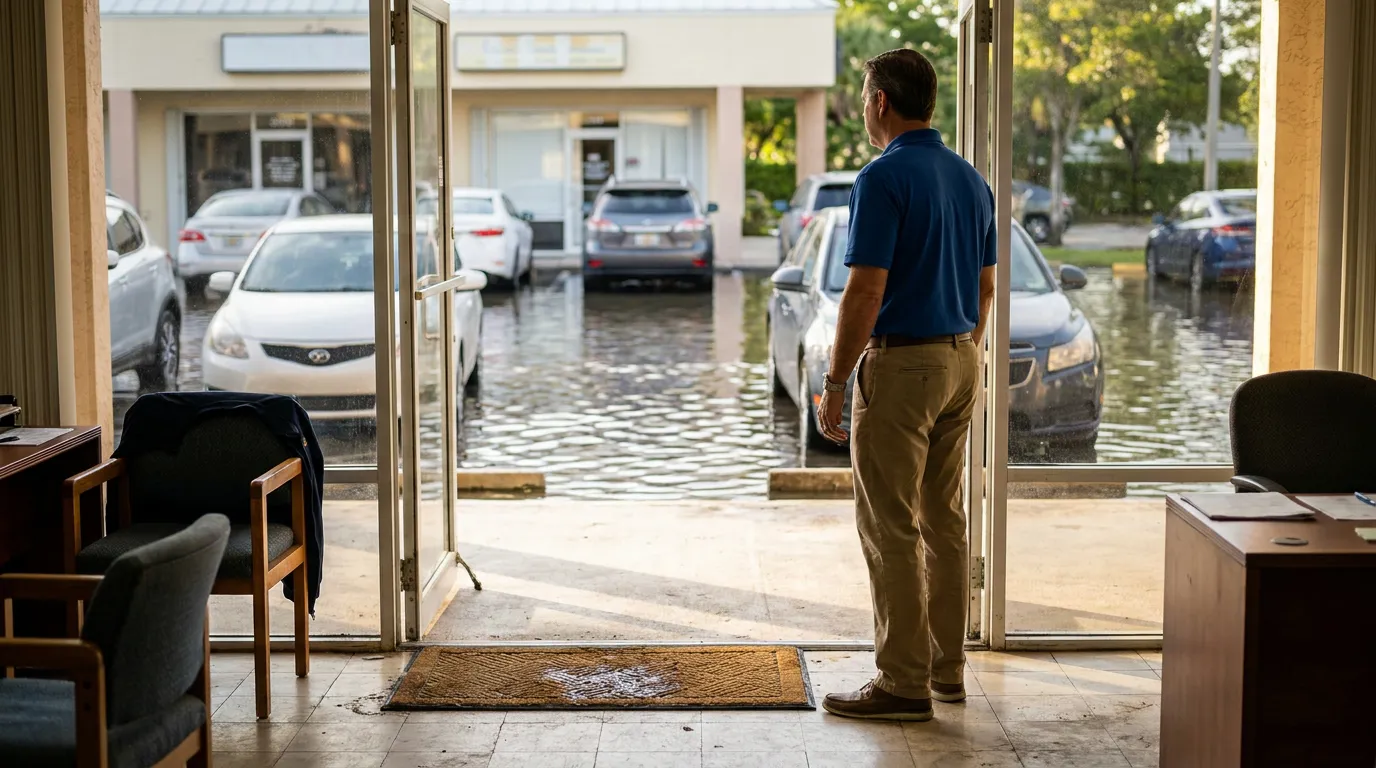
King tide flooding is a predictable feature of coastal Broward County, and when saltwater seeps into a lobby, parking garage, or storefront, who pays for a resulting fall comes down to Florida negligence law. Liability falls on the property owner, operator, lessor, or manager who failed to address a dangerous condition they knew about or should have known about. Because king tides recur on a known schedule, the flooding they cause is far more foreseeable than a random spill.
If you slipped on floodwater at a Ft. Lauderdale property, understanding your rights early can protect your claim. The team at Chalik & Chalik Injury Lawyers helps injured Floridians evaluate whether a property owner’s negligence caused their harm. Call 954-476-1000 or reach out through the firm’s online contact page to discuss your situation.
How Florida Premises Liability Law Applies to King Tide Flooding
Florida places its premises liability rules within Chapter 768, the section of state law governing negligence. When a property owner’s failure to maintain their premises results in injury, premises liability holds owners and occupiers responsible for unsafe conditions. Standing water from a king tide is a textbook example of the hazard this framework addresses.
Weather-driven water accumulations are expressly recognized as a source of premises liability. Failure to address accumulations of ice, snow, or water can lead to a premises liability lawsuit. In coastal Ft. Lauderdale, recurring tidal flooding on walkways and parking lots fits squarely within this category, especially when water pools in the same low-lying areas monthly. For a broader overview, review Florida’s premises liability law.
Your Legal Status Shapes the Duty Owed
The first step in any Florida premises liability analysis is classifying the injured person’s legal status. Florida law classifies plaintiffs as invitee, licensee, or trespasser. This classification determines the level of care the property owner owed you at the moment of your fall.
Invitees, such as customers and paying guests, are owed the highest level of protection. Invitees are owed the highest duty, including regularly inspecting for hidden dangers, repairing them, and warning of uncorrected hazards. By contrast, uninvited plaintiffs are generally owed only a duty to refrain from willful harm and warn of known hidden dangers. A shopper, hotel visitor, or restaurant patron who slips on tide-driven floodwater typically qualifies as an invitee owed heightened duty.
💡 Pro Tip: Save proof of why you were on the property, receipts, reservations, or appointment texts. This documentation helps establish your invitee status, which is central to the duty owed you.
Proving the Property Owner Knew or Should Have Known
Florida’s slip-and-fall statute requires proof that the business had notice of the hazard. Under Fla. Stat. §768.0755(1), if a person slips on a transitory foreign substance in a business establishment, the injured person must prove the business had actual or constructive knowledge of the dangerous condition. Floodwater tracked into a store or pooling near an entrance can be treated as such a substance.
Constructive knowledge is frequently the deciding issue in flooding cases. Fla. Stat. §768.0755(1)(a)-(b) provides that constructive knowledge may be proven by showing the condition existed long enough that it should have been known, or occurred with regularity and was therefore foreseeable. Because king tides follow published tidal forecasts, arguing that recurring flooding was foreseeable can be compelling.
Who Can Be Held Responsible for a Flooding Fall
Liability is not limited to a single party under Chapter 768. Florida negligence law recognizes duties owed by owners, operators, lessors, and managers of property, meaning multiple entities may share responsibility. Identifying every potentially responsible party early can matter significantly.
Landlords and homeowners’ associations may be liable for hazards in shared spaces. A landlord can be liable for injuries in common areas, lobbies, hallways, parking lots, pools, and fitness centers, due to inadequate maintenance. When king-tide flooding affects a condominium lobby or shared parking garage, the property manager or association may bear responsibility.
Potentially responsible parties in a flooding-related fall may include:
- The business or store operator where the fall occurred
- The commercial landlord or property owner leasing the space
- A homeowners’ or condominium association managing common areas
- A property management company responsible for maintenance and inspections
💡 Pro Tip: Note the exact location of your fall relative to entrances, drains, and known low spots. Recurring flood zones are often documented in maintenance records, supporting foreseeability arguments.
What a Slip and Fall Accident Attorney Ft. Lauderdale Trusts Can Help You Prove
A slip and fall accident attorney Ft. Lauderdale residents rely on focuses on the four elements of negligence: duty, breach, causation, and damages. Establishing each element requires organized evidence and understanding of how Florida statutes apply to your facts.
Foreseeability sits at the heart of the duty analysis. Florida courts weigh whether a harmful condition was reasonably foreseeable when deciding whether a landowner owed and breached a duty, an issue explored in a Florida Bar Journal discussion of foreseeable premises hazards. For recurring king-tide flooding, this principle can be particularly favorable to injured visitors.
Building the Evidence Record
Evidence in flooding cases can disappear quickly once the tide recedes and staff mop up. Preserving proof promptly is critical. A strong factual record includes photographs, video, and witness accounts gathered close in time to the fall.
Certain categories of evidence carry significant weight in slip and fall claims. Surveillance footage, maintenance logs, incident reports, and tidal forecast data help show what a property owner knew and when. Working with a Ft Lauderdale premises liability legal team ensures these materials are requested before they’re overwritten or lost.
💡 Pro Tip: Ask whether the property has video cameras and request footage preservation in writing immediately. Many systems overwrite recordings within days, so timely preservation requests are critical.
Common Defenses and How Comparative Fault Affects Your Claim
Property owners commonly raise lack of notice and the open-and-obvious doctrine as defenses. Recognized defenses include the open and obvious danger doctrine and lack of notice, where the owner was unaware of the hazard. A defendant may argue visible floodwater was open and obvious, though this doesn’t automatically defeat a claim.
Florida also applies comparative fault, which can reduce or limit recovery. In ordinary flooding slip-and-fall cases, comparative fault is governed by Fla. Stat. §768.81. A separate provision, Fla. Stat. §768.0701, applies in actions against the owner, lessor, operator, or manager of commercial or real property brought by a person lawfully on the property who was injured by the criminal act of a third party. You can read this fault-apportionment provision directly.
The 2023 tort reform reshaped how comparative negligence works. The March 24, 2023 tort reform law (ch. 2023-15) amended Fla. Stat. §768.81, moving Florida from pure to modified comparative negligence. Under Fla. Stat. §768.81(6), a claimant found more than 50 percent at fault for their own harm may recover nothing (medical negligence excepted), so fault apportionment can be decisive.
Frequently Asked Questions
-
Is a property owner automatically liable if I fall in king-tide floodwater?
No, liability is not automatic. You must show the owner had actual or constructive knowledge under Fla. Stat. §768.0755 and failed to take reasonable action. Recurring flooding supports foreseeability arguments, but each case depends on specific facts.
-
What if the floodwater was obviously visible when I fell?
Visible water may prompt an open-and-obvious defense, but doesn’t necessarily bar recovery. Courts may still consider whether the owner should have corrected or warned about a foreseeable hazard. Comparative fault may reduce rather than eliminate recovery.
-
Can I still recover if I was partly at fault?
Possibly, under Florida’s modified comparative negligence rule. A claimant more than 50 percent at fault generally recovers nothing, while those at 50 percent or less may recover damages reduced by their share of fault.
-
Who besides the store can be responsible?
Landlords, property managers, and homeowners’ associations may share liability for common areas. Lobbies, parking lots, and walkways affected by flooding often fall under their maintenance duties. Identifying all responsible entities early is important.
-
How quickly should I act after a flooding fall?
Prompt action preserves time-sensitive evidence like video footage and maintenance logs. Florida negligence claims are subject to a two-year statute of limitations for causes accruing on or after March 24, 2023. Acting early protects your options.
Protecting Your Rights After a Coastal Flooding Fall
King tide flooding in Ft. Lauderdale creates predictable hazards, and Florida law offers a framework for holding negligent property owners accountable. Liability turns on your legal status, whether the owner knew or should have known of the danger, how foreseeable the recurring flooding was, and how fault is apportioned under Chapter 768. Because these questions are fact-intensive, claim strength often depends on how thoroughly evidence is preserved and presented.
If tidal flooding led to your injury, you don’t have to sort through these statutes alone. Reach out to Chalik & Chalik Injury Lawyers to have your situation reviewed, call 954-476-1000, or send a message through the firm’s case evaluation form to learn how Florida premises liability law may apply to your claim.


When Wet Floors Lead to Serious Injuries: Your Rights as a Slip and Fall Victim If you’ve slipped on a wet floor in a Miami business and suffered injuries, you may wonder whether the property owner can be held responsible for your medical bills, lost wages, and pain. Under Florida law, businesses have specific legal...

A Kentucky woman has filed a negligence lawsuit against Trump International Beach Resort luxury golf resort near Miami, Florida, claiming she was injured after falling in the pool area of the property. The slip and fall lawsuit was filed in a Miami-Dade County circuit court against Trump National Doral Miami, where the plaintiff was vacationing....

When you go to a restaurant to eat, you often don’t think about the dangers that restaurants present. You are often hungry and want to get to your seat as fast as possible, and you may not be looking for dangerous flooring conditions, such as uneven ground, ripped or torn carpet, and spilled liquid. In...
 Can Airport Contractors Be Held Liable for a Ft Lauderdale Terminal Fall?
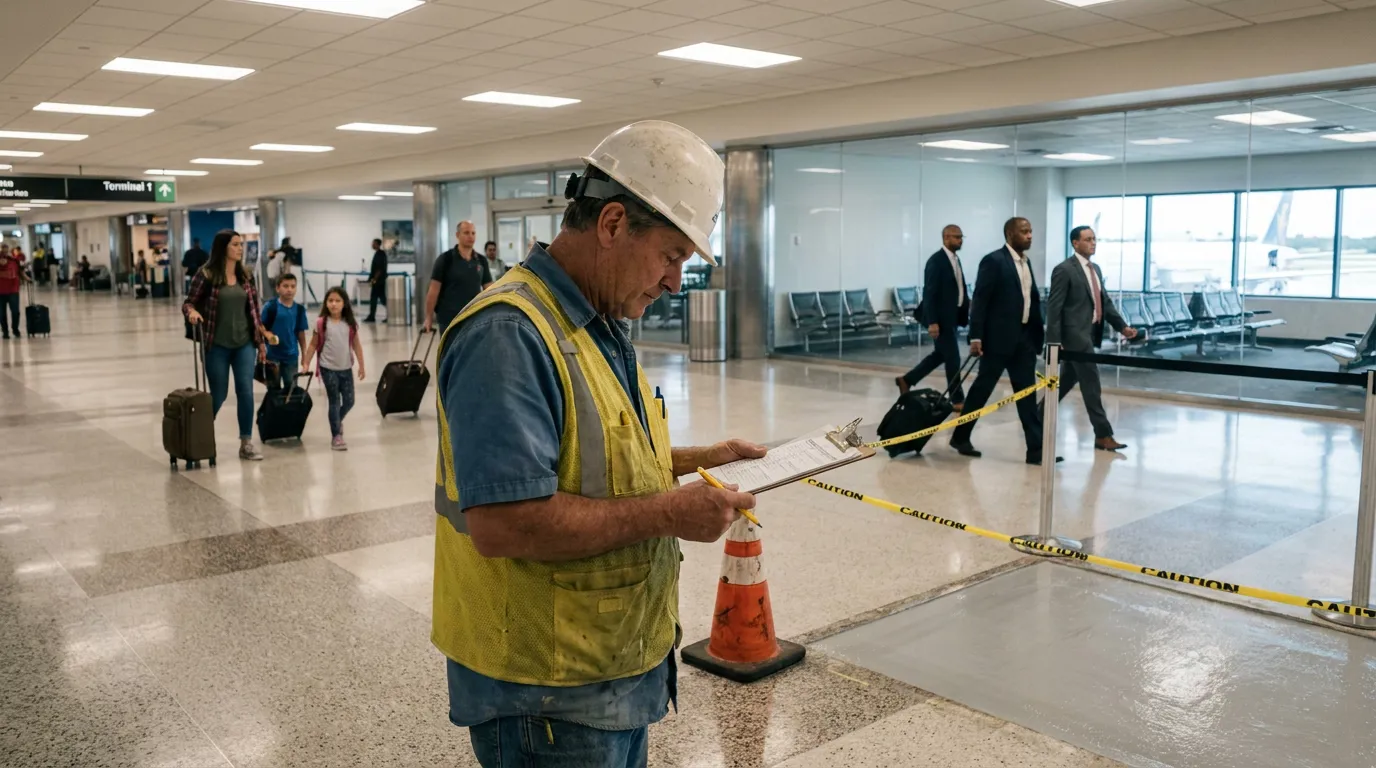
Understanding Who Is Responsible When You Fall Inside a Fort Lauderdale Airport Key Takeaways: Airport contractors in Fort Lauderdale can be held liable for terminal falls depending on who controlled the area and whether they maintained it safely. Under Fla. Stat. §768.0755(2), Florida law preserves common-law duties for any party controlling premises, meaning maintenance contractors...

You can suffer severe injuries from a slip and fall in a Publix Supermarket. A broken hip or fractured skull may hospitalize you for weeks or months, straining you both physically and financially. If the insurance company is not negotiating in good faith for a fair settlement, seeking legal action against the grocery store may...

You can sue a cruise ship if you’re injured in a fall onboard. When there is a fall hazard, something that causes a slip or trip, and you suffer injuries, the cruise company might be legally responsible. They must provide a safe environment for passengers and workers alike. If you fell on a cruise, you...

If you suffer injuries in a slip and fall accident on someone else’s property, the negligent party’s liability insurance company will typically be responsible for paying you compensation to cover your losses, such as medical bills, lost wages, and pain and suffering. A Fort Lauderdale slip and fall accident lawyer from our firm can guide...

Whether you can sue for a slip and fall if there was a wet floor sign depends on many circumstances specific to your case. Factors that could affect your ability to sue include the laws of the jurisdiction where the accident occurred, the specifics of the situation, and the degree of negligence involved. If you...