
Understanding Your Rights After a Slip and Fall in Restaurant Dining Areas
Key Takeaways:If you slip and fall in a Ft Lauderdale restaurant, Florida law may entitle you to compensation, but you must prove the business had actual or constructive knowledge of the hazard under §768.0755. You have two years from the injury date to file a negligence claim per §95.11(4)(a), as amended by HB 837 in 2023. Florida’s modified comparative fault system under §768.81 means your own negligence could reduce or eliminate recovery if you are more than 50% at fault. Preserving evidence quickly, photos, witness statements, surveillance footage, strengthens your case. Consulting a premises liability attorney promptly protects your rights.
A slip and fall in a restaurant can happen in seconds, but the consequences may last months or years. If you were injured in a Ft Lauderdale restaurant due to a wet floor, spilled food, or another hazardous condition, you likely have questions about your legal options. Florida statutes set specific rules about what injured patrons must prove and how long they have to act. Understanding these rules is essential to protecting your restaurant patron injury rights and pursuing fair compensation.
If you need guidance after a restaurant fall, Chalik & Chalik Injury Lawyers can help you evaluate your situation. Call 954-476-1000 or reach out to our team today to discuss next steps.
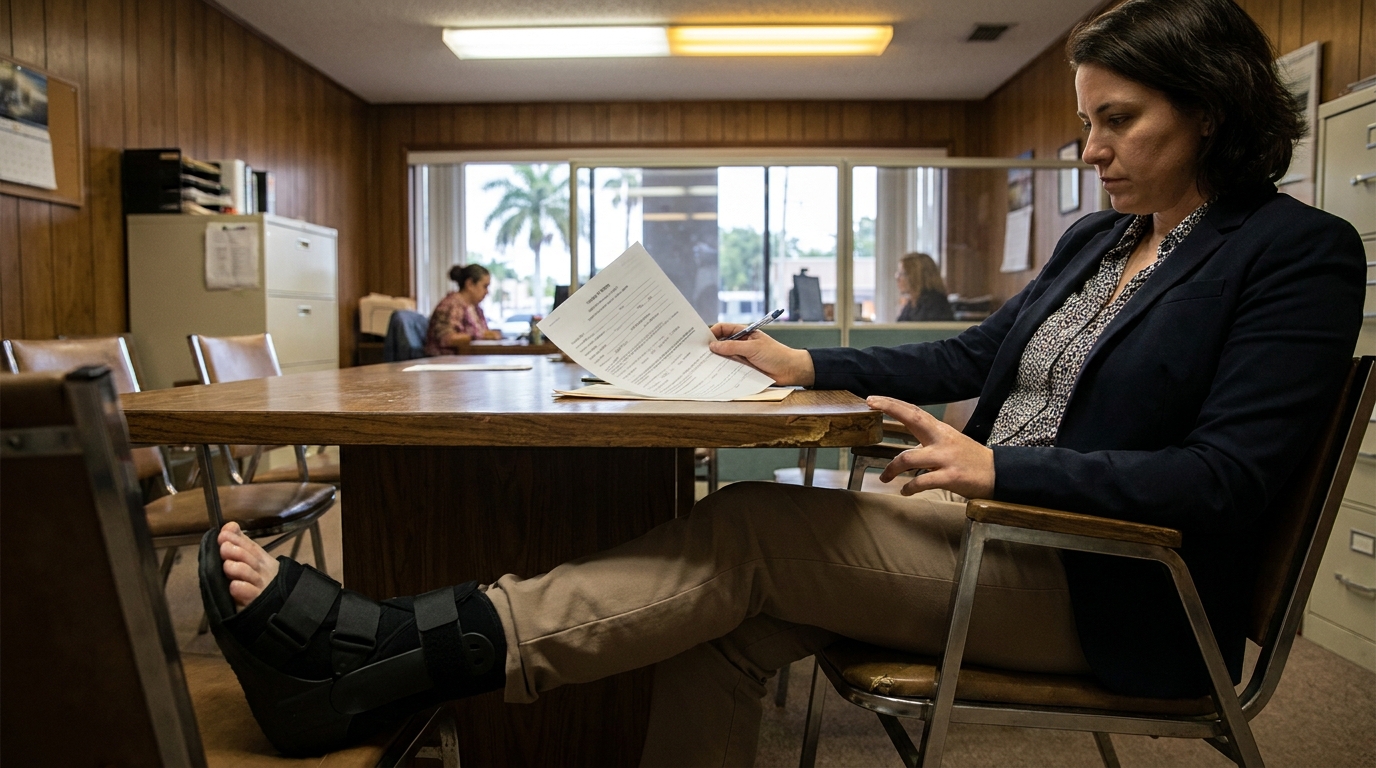
What Florida Law Requires You to Prove After a Slip and Fall in Restaurant Establishments
Florida does not automatically hold a restaurant liable simply because a patron fell on the premises. Under §768.0755(1), you must prove the business had actual or constructive knowledge of the dangerous condition and should have taken action to remedy it. This means you carry the burden of showing the restaurant either knew about the hazard or should have known about it through reasonable care.
Actual knowledge exists when the restaurant’s employees or managers were directly aware of the danger. For example, if a server spilled a drink and walked away without cleaning it, that constitutes actual knowledge. Constructive knowledge may be established through circumstantial evidence showing the condition existed long enough that the business should have discovered it.
How Constructive Knowledge Works in Practice
Proving constructive knowledge is often the most challenging part of a Florida restaurant accident claim. Under §768.0755(1)(a), constructive knowledge may be proven by showing the dangerous condition existed for such a length of time that, in the exercise of ordinary care, the business should have known of it. For instance, a puddle of grease near a kitchen entrance for 30 minutes without being addressed could support this argument.
Florida law also recognizes a second path to proving constructive knowledge. Under §768.0755(1)(b), you may show the condition occurred with regularity and was therefore foreseeable. If a restaurant’s ice machine consistently leaks onto a walkway and management fails to address the recurring problem, this pattern could demonstrate constructive knowledge.
💡 Pro Tip: After a fall, note the appearance of the substance on the floor. Details like whether a spill appeared dried, dirty, or had footprints can serve as evidence the hazard existed for a significant period.
Common-Law Duties Beyond the Transitory Substance Statute
The statutory requirements under §768.0755 are not the only source of legal duty for restaurant owners. Section §768.0755(2) states that the statute does not affect any common-law duty of care owed by a person or entity in possession or control of a business premises. This means restaurants in Ft Lauderdale may owe additional duties, such as maintaining safe walkways, providing adequate lighting, and repairing known structural defects. These common-law obligations can provide additional grounds for a premises liability restaurant Ft Lauderdale claim.
💡 Pro Tip: Ask the restaurant to preserve surveillance camera footage immediately after a fall. Many systems overwrite recordings within days, and that footage could be critical to proving how long a hazard existed.
How Florida’s Modified Comparative Fault System Affects Your Recovery
Even if you prove the restaurant was negligent, your own actions may affect your compensation or bar recovery entirely. Since 2023, Florida follows a modified comparative fault system under §768.81. Under §768.81(6), if you are found more than 50% at fault for your harm, you are barred from recovering any damages. If your fault is 50% or less, your damages are reduced by your percentage of fault.
| Element | What It Means for Your Claim |
|---|---|
| Restaurant’s duty of care | Must maintain reasonably safe premises and address known hazards |
| Actual knowledge | Restaurant knew about the dangerous condition |
| Constructive knowledge | Hazard existed long enough or recurred often enough that the restaurant should have known |
| Modified comparative fault (§768.81) | Your compensation is reduced by your share of fault; more than 50% fault bars recovery |
| Common-law duties (§768.0755(2)) | Additional obligations beyond the transitory substance statute may apply |
For example, if you were texting while walking and failed to notice a clearly visible wet floor sign, a jury could assign fault to you. If your share exceeds 50%, your claim would be barred entirely under §768.81(6). Working with a Ft Lauderdale slip and fall attorney can help you anticipate and counter comparative fault arguments.
💡 Pro Tip: Avoid giving recorded statements to the restaurant’s insurance company before speaking with an attorney. Insurers often use early statements to argue comparative fault and minimize your claim.
Filing Deadlines: The Statute of Limitations for Slip and Fall Ft Lauderdale Florida Claims
Time limits play a critical role in any restaurant injury claim. Under §95.11(4)(a), as amended by HB 837 effective March 24, 2023, a negligence action, including slip and fall claims, must be filed within two years from the date of the incident. This deadline was reduced from the prior four-year period. Missing this deadline generally means losing the right to pursue compensation, regardless of how strong your evidence may be.
Certain narrow exceptions may affect this timeline, but courts interpret them strictly. The safest approach is to begin the claims process well before the deadline approaches.
💡 Pro Tip: Keep a detailed journal of your symptoms, medical visits, and how the injury affects your daily life from day one. This record can be valuable evidence of ongoing damages if the case goes to trial.
Steps to Protect Your Claim After a Restaurant Fall
Gather Evidence at the Scene
The moments immediately following a fall are critical for preserving your legal rights. If physically able, take photographs of the hazard, the surrounding area, your injuries, and your footwear. Ask witnesses for their contact information. Request a copy of the incident report from the restaurant manager before leaving.
Seek Medical Attention Promptly
Delaying medical treatment can weaken both your health and your legal claim. Insurance companies frequently argue that gaps in treatment mean injuries were not serious. Visit a doctor as soon as possible after the fall, even if symptoms seem minor. Some injuries, like soft tissue damage or concussions, may not present full symptoms for hours or days.
You can learn more about the types of hazards that commonly cause injuries in dining establishments by reviewing information on slips and falls from restaurant hazards.
Consult a Premises Liability Attorney
An experienced Ft Lauderdale personal injury lawyer can assess whether you have a viable claim and help you navigate the legal process. Building a strong case under §768.0755 often requires gathering maintenance logs, employee schedules, prior incident reports, and other records a restaurant may not voluntarily disclose. A slip and fall lawyer in Ft Lauderdale familiar with Florida premises liability law can handle evidence requests, negotiate with insurers, and represent you in court if necessary.
Punitive Damages in Egregious Restaurant Fall Cases
In rare situations, a court may award punitive damages on top of compensatory damages. Under §768.72(2), a defendant may be held liable for punitive damages only if the trier of fact, based on clear and convincing evidence, finds the defendant was personally guilty of intentional misconduct or gross negligence. This is a higher standard than ordinary negligence and applies only in cases involving particularly reckless or willful behavior.
Punitive damages are not available in every slip and fall case. However, if a restaurant knowingly ignored a dangerous condition that repeatedly caused injuries or deliberately concealed evidence, pursuing punitive damages may be appropriate.
💡 Pro Tip: If you suspect the restaurant destroyed surveillance footage or tampered with evidence after your fall, tell your attorney immediately. Spoliation of evidence can carry serious legal consequences.
Frequently Asked Questions
1. How long do I have to file a slip and fall claim against a Ft Lauderdale restaurant?
Under Florida law, §95.11(4)(a), as amended by HB 837, provides a two-year statute of limitations for negligence-based personal injury claims accruing on or after March 24, 2023. This period begins on the date of the fall. Filing sooner preserves evidence and strengthens your position.
2. What do I need to prove to win a restaurant fall legal rights Florida case?
You must demonstrate the restaurant had actual or constructive knowledge of the dangerous condition under §768.0755(1). Constructive knowledge can be shown through evidence the hazard existed long enough for the business to have discovered it or that it occurred with regularity. You must also prove you suffered damages.
3. Can the restaurant blame me for my own fall?
Yes. Florida’s modified comparative fault system under §768.81 allows the restaurant to argue you share responsibility. If a jury agrees, your compensation is reduced by your percentage of fault. Under §768.81(6), if you are more than 50% at fault, you are barred from recovering damages.
4. What types of compensation can I pursue after a restaurant slip and fall?
Injured patrons may seek compensation for medical expenses, lost wages, pain and suffering, and other related losses. The specific damages available depend on the severity of your injuries and case facts. In cases involving intentional misconduct or gross negligence, punitive damages under §768.72(2) may also be available.
5. Should I accept the restaurant’s insurance company settlement offer?
You should consult with an attorney before accepting any settlement offer. Initial offers often do not reflect the full value of your claim, particularly if you are still receiving medical treatment or have not determined the long-term impact of your injuries.
Protecting Your Future After a Restaurant Injury in Ft Lauderdale
A slip and fall in a Ft Lauderdale restaurant can leave you dealing with painful injuries, medical bills, and lost income. Florida law provides a path to compensation, but it requires meeting specific legal standards under §768.0755, acting within the two-year statute of limitations, and building a case supported by strong evidence. Understanding how modified comparative fault, constructive knowledge, and common-law duties apply to your situation is essential.
If you or a loved one suffered injuries in a restaurant fall, Chalik & Chalik Injury Lawyers is ready to help. Call 954-476-1000 or contact us today to schedule a conversation about your claim.


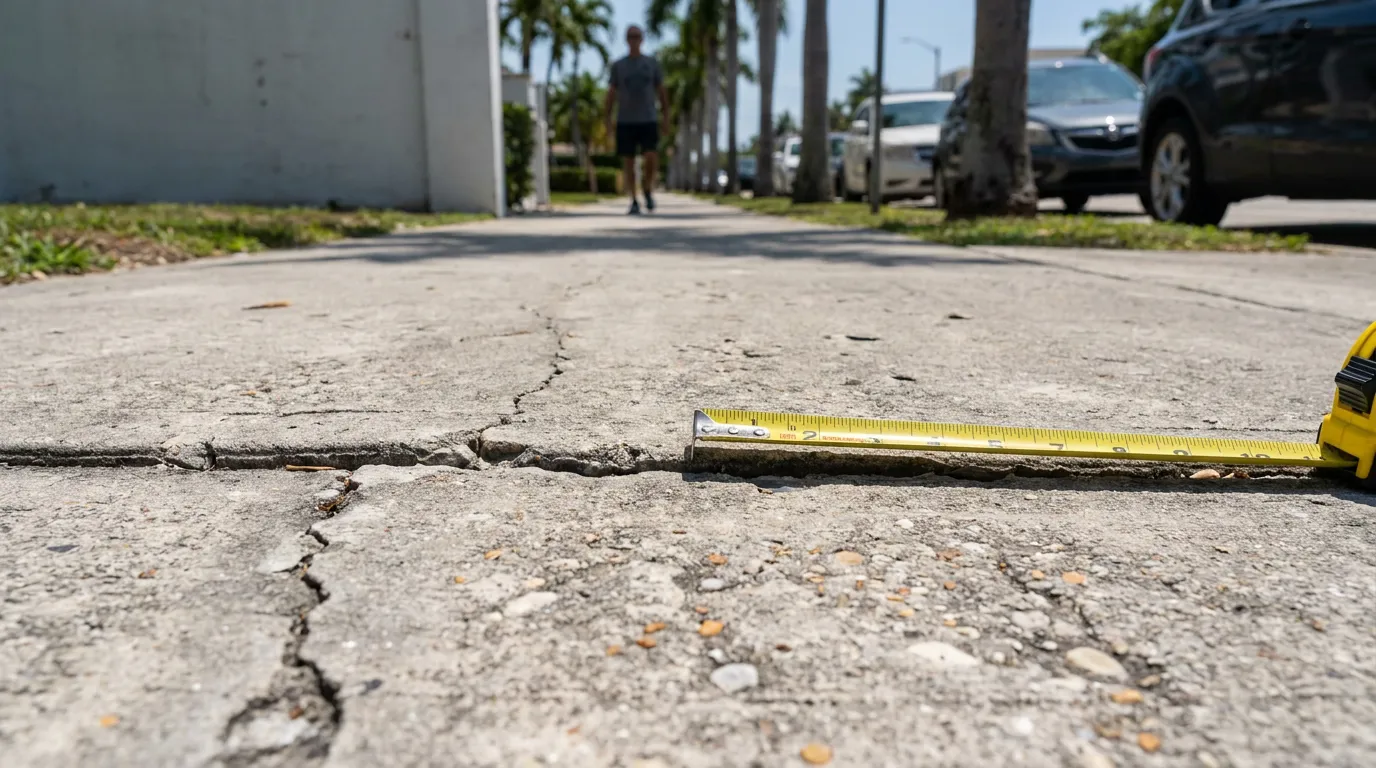 What Is the ADA 1/4-Inch Trip Hazard Rule in Ft Lauderdale?
Why a Quarter-Inch Can Change Your Injury Claim Key Takeaways: The ADA 1/4-inch trip hazard rule in Ft Lauderdale comes from federal accessibility standards allowing vertical changes up to 1/4 inch without treatment, while changes between 1/4 and 1/2 inch must be beveled and those over 1/2 inch require a ramp. This measurement can help...

Your Rights After a Shopping Center Accident with a Slip and Fall Attorney in Ft Lauderdale Yes, you can sue for a slip and fall at Ft Lauderdale shopping centers, but Florida law requires proving the business knew or should have known about the dangerous condition that caused your fall. If you’re dealing with painful...

With a baby on board, pregnant women may find it more difficult to maintain balance and be surefooted. Pregnancy brings with it many bodily changes like a shift in the center of gravity, weight gain, a protruding belly, dizziness and loosening of ligaments. As a result, expectant mothers may be prone to falls. While there...
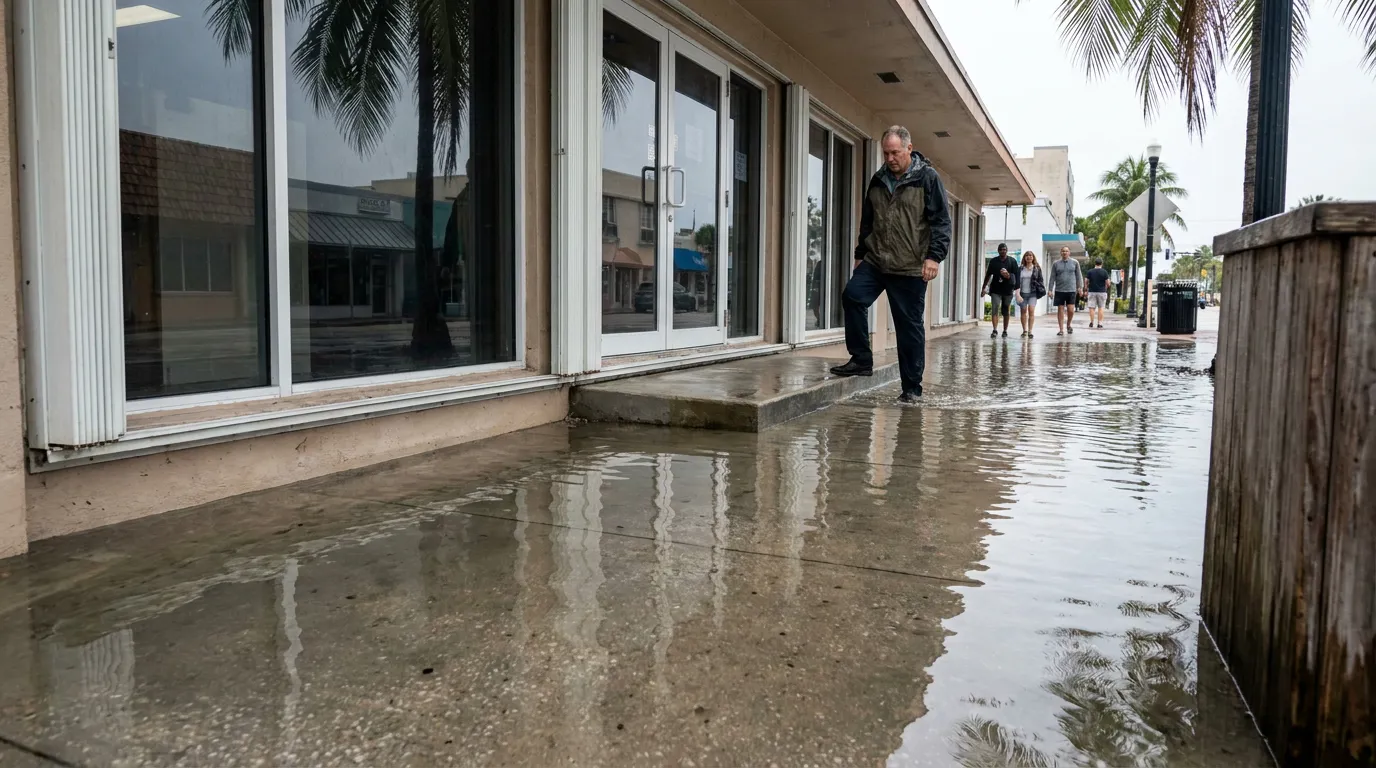 Who Is Liable When King Tide Flooding Causes a Ft Lauderdale Slip and Fall?
When Rising Tides Turn Sidewalks Into Hazards Key Takeaways: When king tide flooding causes a slip and fall at a Ft. Lauderdale property, liability falls on the owner, operator, lessor, or manager who failed to address a dangerous condition they knew or should have known about under Florida’s premises liability law in Chapter 768. Your...

If you slip and fall in a grocery store, you should immediately notify the manager on duty and ask them to call 911 if you need emergency medical assistance. Do not make assumptions about your injuries, either. Report the incident to the store manager and see a doctor. You may even call the police to...

The cost of your medical bills and the financial value of your pain and suffering are two separate parts of an insurance claim or personal injury lawsuit. If you are injured in a car crash, trip and fall accident, or any other type of accident, you can collect compensation from the person responsible for the...

The statute of limitations for slip and fall accident cases in Florida is set at two years. Under this law, you generally have two years from the fall or from the date you discovered injuries to file a personal injury lawsuit. There are several legal considerations to weigh when determining if your window to file...

Slip and fall accidents don’t sound dangerous, but they can cause serious harm. If you’ve been injured in a fall at a Marriott hotel due to another’s negligence, your priority should be getting the medical assistance you need. Reporting your injury to the hotel owner or manager and identifying the cause of your fall can...