
Understanding an Injured Seaman’s Right to Basic Support
Key Takeaways:Maintenance and cure is a no-fault remedy under general maritime law. It generally requires employers to give injured or ill seamen basic living expenses and medical care while they recover. "Maintenance" is a daily payment for food and lodging, while "cure" covers reasonable medical treatment until the seaman reaches maximum medical improvement. Many seamen may also recover unearned wages through the end of the voyage or contract period. Seamen can often pursue these benefits alongside Jones Act negligence and unseaworthiness claims, though dockworkers and harbor workers often fall under the Longshore and Harbor Workers’ Compensation Act instead. Common disputes include low maintenance rates, early cutoff of cure, seaman status, and delays in approving treatment. Because federal maritime law governs and deadlines can be complex, injured seamen in Fort Lauderdale should keep records of expenses and communications and get advice early.
Maintenance and cure is a long-standing remedy under general maritime law. It generally requires a seaman’s employer to provide basic living expenses and medical care when the seaman becomes ill or injured while in service of the vessel. Unlike many injury claims, it generally does not depend on proving fault. "Maintenance" is a daily payment for food and lodging while the seaman recovers ashore. "Cure" is reasonable medical treatment until the seaman reaches maximum medical improvement. For crew members, deckhands, and commercial fishermen in Fort Lauderdale, knowing these rights can matter greatly after an injury.
If you were hurt while working aboard a vessel, you do not have to sort through maritime rules alone.Chalik & Chalik Injury Lawyers helps injured maritime workers in Fort Lauderdale understand their options and pursue the benefits they may be owed. Call 954-476-1000 or contact us now to discuss your situation.

Why Maritime Law Protects Seamen Differently
Work at sea carries risks most land jobs do not, and maritime law created special protections in response. Crew members often work long shifts far from shore, in rough weather, around heavy equipment, and without quick access to hospitals. A NIOSH maritime safety publication reports injury and death data in maritime industries and helps show why commercial fishing and other seagoing work rank among the more dangerous jobs.
These facts explain why courts have long given seamen extra protection. A seaman hurt at sea may be far from family, unable to earn wages, and dependent on the employer for travel and care. Maintenance and cure gives basic support during recovery, generally no matter what caused the injury.
How Maintenance and Cure Maritime Law Works in Practice
Under maintenance and cure maritime law, an employer’s duty generally begins once a seaman is injured or falls ill while in service of the vessel. The injury does not always need to happen during a specific job task. Courts have often applied the duty to illnesses and injuries occurring while the seaman is subject to the call of duty, including some shore leave. Exceptions include willful misconduct (for example, injuries caused by drunkenness) and, in some courts, knowingly hiding a relevant prior medical condition during hiring.
What Maintenance Payments Cover
Maintenance payments cover the reasonable daily cost of food and lodging similar to what the seaman received aboard ship. A union contract, an agreement, or proof of actual living costs may set the daily rate. Some courts enforce rates in a collective bargaining agreement even if low. Rate disputes are common, and some employers offer an amount that may not match real living costs in Broward County.
What Cure Benefits Include
Cure benefits generally include reasonable and needed medical care until the seaman reaches maximum medical improvement. That can include doctor visits, hospital stays, surgery, prescriptions, and physical therapy. Maximum medical improvement generally means the point where more treatment is not expected to improve the condition, though people often dispute when that point arrives. Treatment that only relieves pain may not be covered.
Unearned Wages
Many seamen may also be owed unearned wages, usually through the end of the voyage or contract period. This remedy comes from maritime law, not Florida’s general wage laws. Florida separately sets a two-year deadline for actions to recover wages or overtime under Fla. Stat. § 95.11(5)(d), but that state deadline does not govern a seaman’s maritime claims for unearned wages and maintenance.
💡 Pro Tip: Keep receipts for rent, utilities, and groceries while you recover. These records can help support a fair maintenance rate if the employer’s figure seems too low.
Maintenance and Cure Versus Other Maritime Injury Remedies
Maintenance and cure is only one remedy, and it often comes with other claims. A seaman hurt through an employer’s negligence may also have a claim under the Jones Act, a federal law that borrows its negligence rules from the Federal Employers Liability Act (FELA). A seaman may also bring an unseaworthiness claim under general maritime law if the vessel or its equipment was not reasonably fit for its intended use.
| Remedy | Source | Fault Required? | What It May Cover |
|---|---|---|---|
| Maintenance and cure | General maritime law | No | Living expenses, medical care, often unearned wages |
| Jones Act negligence | Federal statute | Yes (employer negligence) | Lost earnings, pain and suffering, medical costs |
| Unseaworthiness | General maritime law | No proof of negligence, but vessel must be unfit | Similar damages to negligence claims |
| LHWCA benefits | Federal compensation program | Generally no | Medical care and disability pay for covered dock and harbor workers |
Seamen Versus Dockworkers
Whether you qualify as a "seaman" can decide which remedies apply to you. Dockworkers and harbor workers often fall under the federal Longshore and Harbor Workers’ Compensation Act rather than seaman remedies. Fla. Stat. § 774.203(32), a definition in Florida’s asbestos and silica claims law, includes the Longshore and Harbor Workers’ Compensation Act in "workers’ compensation law" but excludes FELA, consistent with the general rule that FELA-style remedies and Jones Act claims are separate from workers’ compensation.
Seaman status depends on the facts and is often contested. Courts usually ask whether your duties help the vessel do its work and whether you have a substantial connection to a vessel in navigation. As a rule of thumb, that often means spending about 30 percent or more of your work time aboard. If you work on cruise ships, our article on whether crew members can sue for injuries explains related issues for Fort Lauderdale crew.
Where Florida State Law Fits In
Florida statutes generally play a small role in seaman benefit claims, because federal maritime law controls maintenance and cure. Florida does offer a vessel attachment procedure under Fla. Stat. § 76.32, which lets a person injured by negligence in the navigation, direction, or management of any ship or boat within the state’s waters seek an attachment against the vessel.
This procedure has strict requirements and an important limit. Under Fla. Stat. § 76.32(3)-(5), the plaintiff must file a motion describing the injury and amount demanded and post a bond of at least double that amount, though the state and its agencies are exempt. However, the Florida vessel attachment law states in § 76.32(6) that it applies only to injuries outside federal admiralty and maritime jurisdiction. So it generally would not govern a seaman’s maintenance and cure claim.
Common Challenges Injured Seamen Face
Many injured seamen face obstacles even though maintenance and cure is a no-fault remedy. Employers and insurers sometimes dispute coverage or stop payments early. Common issues include:
- Maintenance rates too low to cover real living costs
- Cure cut off early based on a company doctor’s opinion
- Claims that the seaman hid a prior medical condition
- Disputes over whether the worker qualifies as a seaman
- Delays in approving treatment or paying back medical bills
An employer that unreasonably fails to pay maintenance and cure may owe more than the benefits themselves. This can include compensatory damages. If the failure was willful or callous, it can also include attorney’s fees and, under U.S. Supreme Court precedent, punitive damages. Keeping a record of every communication and denial can help protect these claims.
💡 Pro Tip: Ask for copies of all medical reports, including those from company-chosen doctors. You generally have the right to see your own doctor, and conflicting opinions can matter if benefits are cut off.
Deadlines and Timing
Deadlines for maritime claims can be complex, and missing one may bar recovery. Under Fla. Stat. § 95.11(5)(a) and (e), Florida sets a two-year deadline for negligence and wrongful death actions, the default for state-law injury claims. Jones Act and maritime personal injury claims, however, generally have a three-year federal deadline under 46 U.S.C. § 30106. Courts often hold maintenance and cure claims to the same three-year period, though some apply laches, which can bar claims brought after unreasonable delay. Confirm the deadlines for your case with a lawyer.
Courts generally read exceptions that extend deadlines narrowly. Do not assume any extension applies to you. Speaking with a maintenance and cure maritime law lawyer early can help you learn which deadlines may control your claim.
Frequently Asked Questions
1. Do I have to prove my employer was negligent to receive maintenance and cure?
Generally, no. Maintenance and cure is a no-fault remedy under general maritime law. A separate Jones Act claim, by contrast, generally requires showing employer negligence.
2. How long do maintenance and cure benefits last?
Benefits generally continue until the seaman reaches maximum medical improvement. People often dispute when that point arrives, and medical evidence often plays a central role.
3. Can I receive maintenance and cure and also file a Jones Act claim?
In many cases, yes. These are separate remedies you may pursue together, though courts generally prevent you from recovering twice for the same expenses.
4. Are dockworkers entitled to maintenance and cure?
Dockworkers and harbor workers usually are not seamen and often fall under the Longshore and Harbor Workers’ Compensation Act instead. Your classification depends on the facts of your job.
5. What if my employer stops paying maintenance?
You may be able to challenge the cutoff. Courts may consider whether the employer acted reasonably. Keeping records of payments and denials can help.
Protecting Your Rights After a Shipboard Injury
Maintenance and cure gives injured seamen basic support while they heal, generally no matter who caused the injury. It generally covers living expenses, medical treatment, and often unearned wages, and may work alongside Jones Act and unseaworthiness claims. Because seaman status, benefit rates, and deadlines are often disputed, learning how maintenance and cure maritime law applies to you is an important first step.
If your benefits have been denied, delayed, or underpaid, getting advice promptly may help protect your claim.Chalik & Chalik Injury Lawyers helps injured maritime workers throughout Fort Lauderdale and South Florida. Call 954-476-1000 or schedule your consultation today to learn more about your rights.
Disclaimer: This content is for informational purposes only and is not legal advice. Every case is unique, and results may vary. Consult an attorney about your specific circumstances.
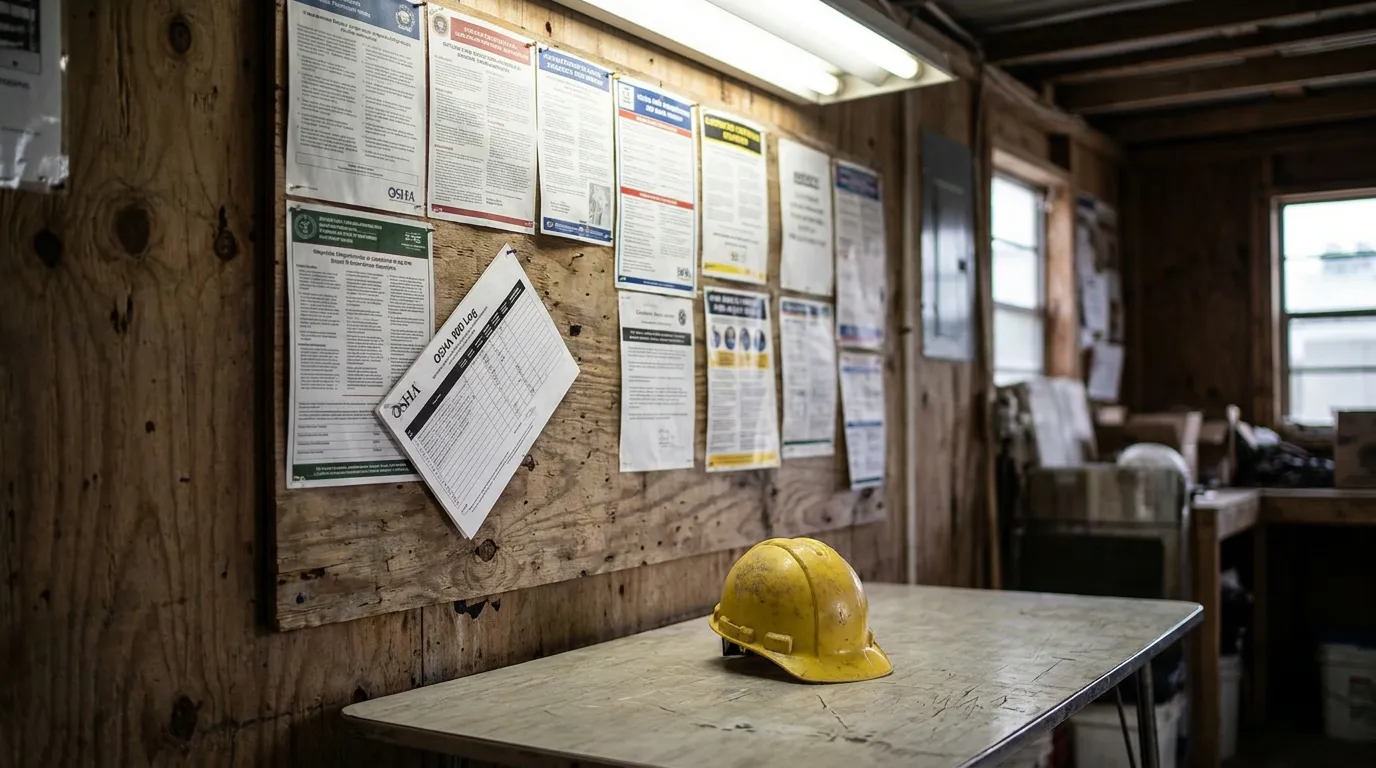 What Is the OSHA 300 Log and Why Does It Matter to Injured Miami Workers?
The Injury Record Your Employer Keeps and Why It Belongs in Your Claim File Key Takeaways: The OSHA Form 300 is a federally required log of serious work-related injuries and illnesses that employers with more than 10 employees must maintain under 29 C.F.R. Part 1904, generally retaining records for five years after the calendar year...

The construction industry is one of the most dangerous industries for workers in the United States and the state of Florida. According to the Occupational Safety and Health Administration (OSHA), out of the 3,929 worker fatalities in 2013, 20.3 percent were in the construction industry. The following takes a look at some of the most...

One of the most dangerous workplace accidents that can happen is a Florida trench collapse. These accidents almost always result in the death of one or more workers, or at best, serious or life-threatening injuries. Trenches are used for many construction projects in and around the cities of Florida. Trenches can be used for burying...

Following your Florida construction work accident and injury, you may assume that your employer will be there for you. After all, you have been a loyal employee and worker for years, and you know that your direct boss values the work you do. Although this may be true, you need to understand one thing –...

After getting injured on the job in Florida, it is important to let your supervisor or employer know right away. According to the Florida Division of Worker’s Compensation, you do not do so within 30 days of the accident, you may jeopardize your claim and lose your ability to recover compensation for damages you sustained....

You should hire a Florida workers’ compensation lawyer from the beginning of your incident to protect your legal rights. Florida law lets you seek compensation and other benefits if you get hurt at work, but you can lose your right to workers’ compensation if you miss the deadlines for the program. In addition, a workers’...

If you’ve been injured on the job, you may have medical bills and lost wages. FL § 440.02 provides you benefits you need in order to receive medical care or replace lost income. Contact Chalik & Chalik Injury Lawyers at (855) 529-0269 today to find out what types of workers’ compensation benefits in Florida you...

Yes, an employer can legally stop your workers’ compensation benefits in Florida according to the Florida Division of Workers’ Compensation. The circumstances where this would apply are if you are only temporarily disabled or if you are found physically capable of working. In the case where you are only temporarily disabled, you would receive temporary...