
Splitting the Blame: What Equal Fault Means for Your Florida Crash Claim
Key Takeaways:Yes, a driver found exactly 50 percent at fault in a Ft Lauderdale crash can generally still recover damages, because Fla. Stat. § 768.81 generally bars recovery only when a claimant is more than 50 percent at fault. Since HB 837 took effect on March 24, 2023, Florida has generally followed modified comparative negligence for negligence actions filed after that date, so a 50/50 split may reduce both economic and noneconomic damages by half, and a finding of 51 percent may eliminate recovery entirely. To recover pain and suffering, you may also need to meet Florida’s no-fault injury threshold under Fla. Stat. § 627.737(2), and in multi-vehicle crashes each defendant generally pays only its own share of fault. Insurers often try to push your fault percentage above 50 percent, so evidence like dashcam footage, witness statements, and police reports can be critical. For causes of action accruing after March 24, 2023, most car accident negligence claims must generally be filed within two years under Fla. Stat. § 95.11(4)(a), so acting promptly may help protect your right to seek compensation.
Yes, a driver found exactly 50 percent at fault in a Ft Lauderdale crash can generally still recover damages under Florida law, but the award is typically reduced by half. Florida generally bars recovery only when an injured person is more than 50 percent at fault for their own harm. In a 50/50 liability car accident claim, that one percentage point could determine whether you receive compensation or nothing. This guide covers how Florida’s comparative fault statute works, what damages may still be available, and why the insurer’s early fault estimate should not be treated as final.
If an insurer is blaming you for a crash you did not cause alone, Chalik & Chalik Injury Lawyers can review the facts with you. Call 954-476-1000 or contact us now to talk about your options.
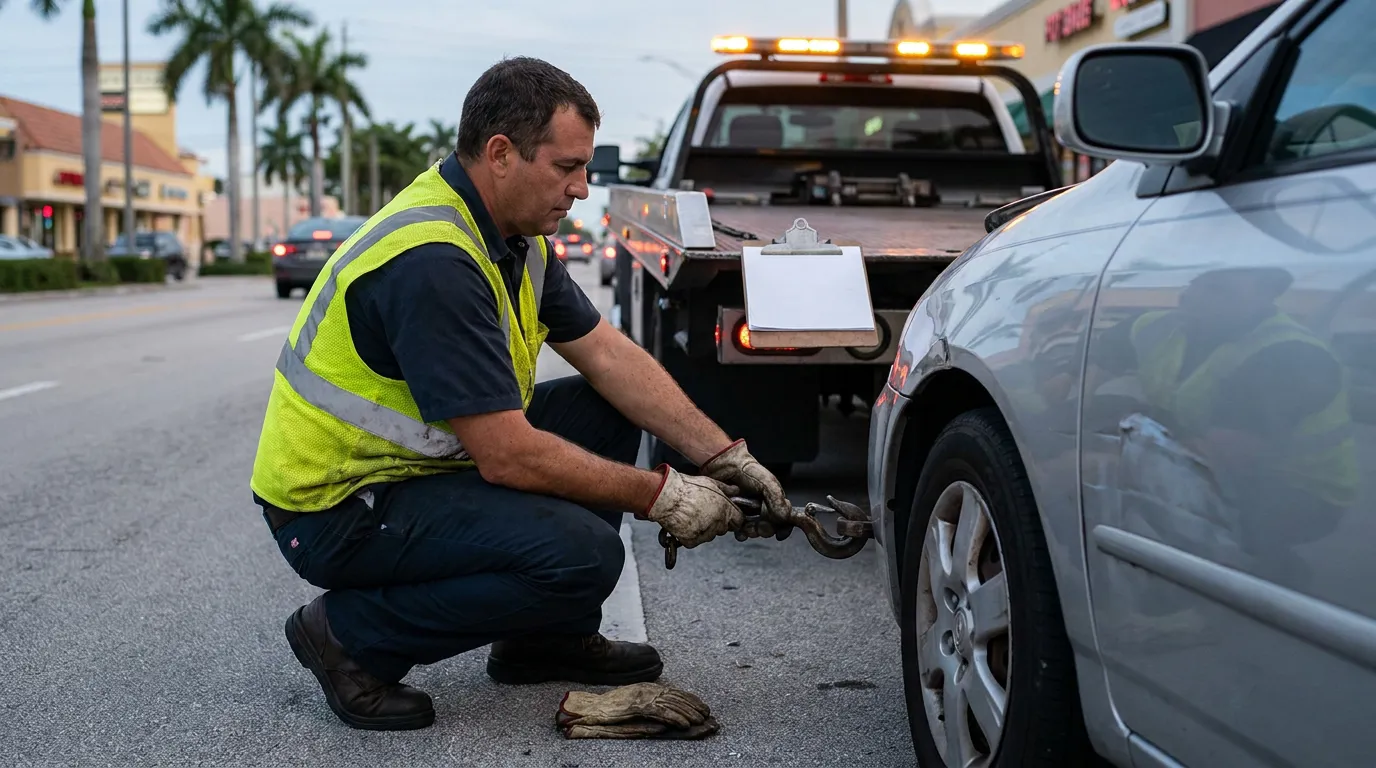
How Florida’s Modified Comparative Negligence Rule Works
Florida follows a modified comparative negligence system under Fla. Stat. § 768.81. Your damages are generally reduced by your percentage of fault, and you may recover nothing if a jury (or a judge in a non-jury trial) finds you more than 50 percent responsible. Under Fla. Stat. § 768.81(6), "any party found to be greater than 50 percent at fault for his or her own harm may not recover any damages." Because the threshold is "greater than" 50 percent, a driver at exactly 50 percent is generally still eligible to recover.
Under Fla. Stat. § 768.81(2), your share of fault "diminishes proportionately the amount awarded as economic and noneconomic damages" but does not bar recovery, subject to subsection (6). You can read the full text of the Florida comparative fault statute on the Florida Senate’s website.
What Changed With Florida’s 2023 Tort Reform
Before HB 837, Florida used pure comparative negligence. Under that system, an injured person could potentially recover something even at 90 percent fault. HB 837 (ch. 2023-15, Laws of Fla.) replaced it with the current modified rule. The change generally applies to negligence actions filed after March 24, 2023. For more background, see our article on recovering damages after tort reform.
Which Claims This Rule Covers
The comparative fault rules apply to "negligence actions," which Fla. Stat. § 768.81(1)(c) defines to include civil actions for damages based on negligence, strict liability, products liability, professional malpractice, and similar theories. Ordinary car accident claims generally fall within that definition. One exception: the greater-than-50-percent bar in subsection (6) does not apply to medical negligence actions under Chapter 766.
Calculating Damages in a 50/50 Liability Car Accident Claim
When fault is split evenly, your total damages may be reduced by 50 percent. For example, a driver with $100,000 in total damages who is found 50 percent at fault might recover about $50,000, subject to available insurance coverage, PIP setoffs, and other adjustments. The reduction generally applies to both economic and noneconomic losses.
Fla. Stat. § 768.81(1)(b) defines economic damages to include past and future lost income, medical expenses, replacement value of lost personal property, and other financial losses caused by the injury. Noneconomic damages cover harms such as pain and suffering, mental anguish, and inconvenience.
| Your Fault Percentage | Total Damages | Potential Recovery |
|---|---|---|
| 20% | $100,000 | $80,000 |
| 40% | $100,000 | $60,000 |
| 50% | $100,000 | $50,000 |
| 51% | $100,000 | $0 (barred) |
These figures are only illustrations. Actual results depend on the evidence, the available insurance coverage, and how a fact-finder weighs each party’s conduct.
The No-Fault Threshold for Pain and Suffering
Florida is a no-fault state, so you may need to clear an injury threshold before you can recover noneconomic damages from another driver. Under Fla. Stat. § 627.737(2), damages for pain, suffering, mental anguish, and inconvenience are generally available only if the injury involves:
- Significant and permanent loss of an important bodily function
- Permanent injury within a reasonable degree of medical probability, other than scarring or disfigurement
- Significant and permanent scarring or disfigurement
- Death
A driver who meets this threshold and is found 50 percent at fault may still recover noneconomic damages, reduced by half. Consistent treatment records can matter a great deal.
💡 Pro Tip: Follow your doctor’s treatment plan and keep every appointment. Gaps in care may give an insurer an opening to argue that your injury is not permanent or not related to the crash.
When More Than Two Drivers Share the Blame
In multi-vehicle crashes on busy Broward roads, each defendant generally pays only its own share of fault. Under Fla. Stat. § 768.81(3), courts enter judgment against each party "on the basis of such party’s percentage of fault and not on the basis of the doctrine of joint and several liability." The Florida Bar Journal discusses this shift in its analysis of joint and several liability.
Blaming Someone Who Is Not in the Lawsuit
A defendant who wants to shift fault to a nonparty generally cannot simply point a finger. Under Fla. Stat. § 768.81(3)(a)1., the defendant must plead the nonparty’s fault and, absent good cause, identify the nonparty before trial. Under § 768.81(3)(a)2., the defendant must then prove that fault at trial by a preponderance of the evidence.
Why Insurers Push Fault Percentages Upward
Insurance companies know that moving your share of fault from 50 to 51 percent could eliminate their payout entirely. Adjusters may point to statements you made at the scene, minor traffic violations, or your speed to raise your percentage. Their first fault assessment is a negotiating position, not a legal ruling.
Evidence That Can Shape Fault Findings
Strong evidence can help keep your fault percentage at or below the 50 percent line. Useful sources often include dashcam or traffic camera footage, witness statements, police crash reports, photos of vehicle damage and the scene, and accident reconstruction analysis. Under Fla. Stat. § 316.066(4), statements made by drivers for the purpose of completing a crash report generally cannot be used as evidence at trial, though the officer’s observations and other evidence may be.
💡 Pro Tip: Avoid giving a recorded statement to the other driver’s insurer before you understand your rights. Casual remarks such as "I didn’t see them" could later be used to inflate your share of fault.
Filing Deadlines You Cannot Afford to Miss
For causes of action accruing after March 24, 2023, most negligence lawsuits in Florida, including car accident injury claims, must generally be filed within two years under Fla. Stat. § 95.11(4)(a). Claims that accrued before that date generally remain subject to the prior four-year deadline. Claims against government entities involve additional pre-suit notice requirements. Missing the deadline could end your claim regardless of how fault is divided.
Frequently Asked Questions
-
Can I recover anything if I am found exactly 50 percent at fault in Florida?
Generally, yes. Under Fla. Stat. § 768.81(6), recovery is barred only above 50 percent fault, so a driver at exactly 50 percent may be able to recover damages reduced by half.
-
What happens if I am 51 percent at fault?
A claimant found more than 50 percent at fault for their own harm generally may not recover any damages in a negligence action, except in medical negligence actions under Chapter 766.
-
Does the 50/50 rule apply to pain and suffering?
It can. If your injury meets the threshold in Fla. Stat. § 627.737(2), noneconomic damages may be recoverable, reduced by your fault percentage.
-
Did Florida always use the 51 percent bar rule?
No. HB 837 changed Florida from pure to modified comparative negligence, generally for negligence actions filed after March 24, 2023.
-
Who decides fault percentages in my case?
Insurers estimate fault during negotiations, but if a case goes to trial, a jury (or a judge in a non-jury trial) makes the final determination.
Protecting Your Recovery When Fault Is Shared
A 50/50 liability car accident claim may still produce meaningful compensation in Florida, but the margin for error is very thin. Fla. Stat. § 768.81 generally reduces your award by your share of fault and bars recovery entirely above 50 percent. Because outcomes depend heavily on specific facts, it can help to talk with an experienced 50/50 liability car accident claim lawyer who can push back on unfair fault assignments.
If an insurer is trying to shift blame onto you after a Ft Lauderdale crash, Chalik & Chalik Injury Lawyers is ready to listen. Call 954-476-1000 or schedule your free consultation to learn how Florida’s comparative fault rules may apply to your situation.
Disclaimer: This content is for informational purposes only and is not legal advice. Every case is unique, and results may vary. Consult an attorney about your specific circumstances.


The Space Coast Transportation Planning Organization released a list of the top intersections for accidents in Brevard County. The top intersections, along with the vehicle crash frequencies, are: Babcock Street and Palm Bay Road: 77 .6 U.S. 1 and Eau Gallie Boulevard: 54.2 Minton Road and Emerson Drive: 52.6 Wickham Road and Sarno Road: 51.8...
 What Is Seat Belt Syndrome After a Ft Lauderdale Car Accident?
The Hidden Harm Behind the Belt That Saved Your Life Key Takeaways: Seat belt syndrome is a recognized pattern of injuries caused when a restraint holds the body during a sudden, violent deceleration, typically marked by a band of abdominal or chest bruising known as the "seat belt sign." That visible mark can signal hidden...

As a parent, you want to protect your child from danger; however, when your child starts learning how to drive, it can be a scary time. You may find yourself not wanting to hand over the keys to your teen driver and being fearful of your child driving without you. If you find yourself asking...
 Top 10 Most Dangerous Intersections in Miami
Navigating Miami’s busy streets requires more than just patience. With its growing population, expanding infrastructure, and a steady influx of tourists, Miami’s roads are often congested and unpredictable. Some intersections pose more risk than others, with places where crashes happen more frequently and where pedestrians, cyclists, and drivers are all vulnerable. In this guide, we’ll...
 What Kind of Evidence Do I Need to Collect at the Scene of the Accident?
Following any type of accident, if you are emotionally and physically able, collecting evidence from the scene may prove useful when moving forward with legal action. Taking proactive measures to establish a connection between your financial losses and the collision at hand could mean the difference between a successful claim versus a denial. Some of...

If you were involved in a car accident, you may be wondering what happens in a side-impact collision. In these types of collisions, also known as T-bone accidents, a vehicle strikes another vehicle’s side. Side-impact collisions can happen when a vehicle is backing up or driving forward. Many of these accidents happen at intersections when...
How to Get an Accident Report in Boca Raton
In the aftermath of an auto accident in Boca Raton, it is important to do what you can to strengthen your potential personal injury case. This starts with obtaining a copy of the police report related to your accident. Law enforcement officers typically respond to traffic accidents and file a crash report, and this document...

Are you weighing the pros and cons of whether you should call a lawyer after a car accident? While the state of Florida allows you to resolve a personal injury case on your own, hiring a lawyer can also work to achieve your legal goals. Your lawyer can: Focus on your financial recovery while you...