
How Miami-Dade Labels a Dog "Dangerous" and Why It Matters to Bite Victims
Key Takeaways:In Miami-Dade County, a dangerous dog classification is a formal finding by animal control that a dog meets the definition in Fla. Stat. § 767.11. A dog qualifies if it aggressively bit, attacked, or endangered a person, or severely injured someone. It also qualifies if it severely injured or killed a domestic animal more than once off the owner’s property, or menaced people in public without provocation. A dog that killed a person or caused a bite rated level 5 or higher on the Dunbar scale must be impounded during the investigation. Once classified, the owner must register the dog, keep it in a proper enclosure, post warning signs, follow leash and muzzle rules, and carry at least $100,000 in liability insurance. A dog generally does not have to be classified for a victim to seek compensation under Florida’s strict liability law. Filing deadlines are often two years but can vary.
A dangerous dog classification in Miami-Dade County is a formal finding by the local animal control authority that a specific dog meets Florida’s statutory definition of "dangerous." That definition comes from state law, not the county. If you or your child was bitten, the classification process can matter. It may create official records of the dog’s behavior, require the owner to carry liability insurance, and document facts that may help support a civil injury claim.
If a dog attack has left you or your child hurt, you do not have to sort through the classification process and the insurance company on your own. The team at Chalik & Chalik Injury Lawyers helps Florida families understand their rights after serious bite injuries. Call 954-476-1000 or contact us now to talk about your situation.
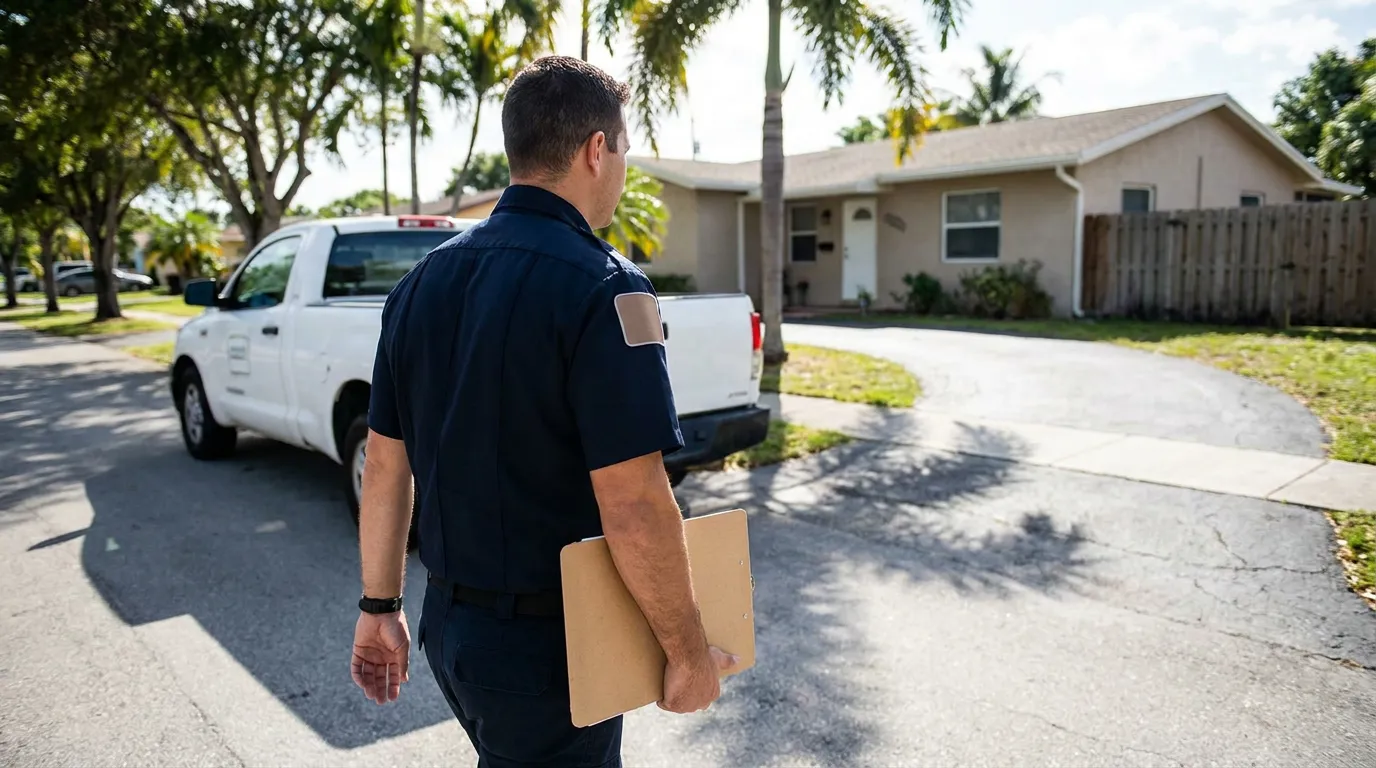
The Legal Definition Behind Every Dangerous Dog Classification in Miami-Dade
Every classification starts with the statewide definition in Fla. Stat. § 767.11. A dog is "dangerous" if the records of the proper authority show it did one of three things:
- It aggressively bit, attacked, or endangered a person, or severely injured a person, on public or private property.
- More than once, it severely injured or killed a domestic animal while off the owner’s property.
- Without provocation, it chased or approached a person on streets, sidewalks, or public grounds in a menacing way or as if about to attack.
The third ground carries an extra requirement. It counts only if one or more people give a sworn statement and the animal control authority investigates. You can read the full text of Florida’s dangerous dog statutes on the Florida Senate website.
Key Terms That Shape the Analysis
Several definitions in Fla. Stat. § 767.11 affect how a case is evaluated. "Severe injury" means any physical injury that causes broken bones, multiple bites, or disfiguring cuts needing stitches or reconstructive surgery. "Unprovoked" means the victim was behaving peacefully and lawfully when bitten, chased, or attacked. "Owner" includes anyone who possesses, harbors, keeps, or controls the dog. If that person is under 18, the parent or guardian is treated as the owner.
How the Classification Process Unfolds
The process begins when animal control investigates a reported incident involving a possibly dangerous dog. Under Fla. Stat. § 767.12(1), the authority interviews the owner if possible. Anyone who wants a dog classified as dangerous, including an animal control officer, must give a sworn affidavit. Bite victims and witnesses may be asked for a sworn statement.
Impoundment During the Investigation
In the most serious cases, the dog must be impounded right away. Fla. Stat. § 767.12(1) requires animal control to immediately confiscate, impound, and hold a dog under investigation if it killed a person or caused a bite rated level 5 or higher on the Dunbar bite scale. The dog generally stays impounded until the investigation and any hearings or appeals are finished, and the owner pays boarding costs. In other cases, animal control may impound the dog or allow the owner to keep it in a proper enclosure.
Notice, Hearing, and Final Decision
After investigating, animal control decides whether there is sufficient cause to classify the dog. Fla. Stat. § 767.12(3) sets the minimum timeline every local government, including Miami-Dade, must follow.
| Step | What the Statute Requires |
|---|---|
| Initial decision | Animal control decides whether there is sufficient cause and what penalty applies |
| Written notice | Sent by registered mail, certified hand delivery, or service of process under Chapter 48 |
| Owner’s hearing request | Due within 7 calendar days after the owner receives notice |
| Hearing date | No sooner than 5 days and no later than 21 calendar days after the request |
| No request filed | The initial decision becomes final |
💡 Pro Tip: Keep copies of any incident report number, officer name, and sworn statement you give. These records may later help your attorney request the full animal control file.
When a Dog Cannot Be Declared Dangerous
Florida law sets out specific situations where classification is not allowed. Under Fla. Stat. § 767.12(2), a dog may not be declared dangerous if the person threatened or hurt was on the property unlawfully, or was lawfully there but tormenting, abusing, or assaulting the dog, its owner, or a family member. Nor may a dog be declared dangerous if it was protecting a nearby person from an unjustified attack.
For victims, these exceptions show why documenting lawful presence and peaceful behavior matters early. Owners and insurers may make similar arguments in a civil claim. Photos, witness names, security camera video, and a prompt written account can help show that you or your child did nothing to provoke the attack.
What Owners Must Do Once a Dog Is Classified
A final classification triggers ongoing duties for the owner. Once a final order classifies the dog as dangerous, or an appeal upholds it, the owner must get at least $100,000 in liability insurance covering bodily injury from an attack by the dog. Proof of coverage goes to the local animal control authority. The owner must also register the dog, renew the registration every year, keep it in a proper enclosure, and post a warning sign. Off the property, the dog must generally be muzzled and leashed or otherwise restrained.
"Proper enclosure" has a specific meaning under Fla. Stat. § 767.11. The dog must be kept securely indoors or in a locked pen or structure that keeps young children out and the dog in. The pen needs secure sides and top so the dog cannot get over, under, or through it, and it must protect the dog from the weather. If a classified dog injures someone because the owner ignored these rules, that history may become important evidence.
How Classification Connects to Your Injury Claim
The classification process is administrative and separate from a civil lawsuit for your injuries. A dog generally does not need to be classified as dangerous for you to seek compensation. Under Florida’s dog bite liability law, Fla. Stat. § 767.04, the owner is generally liable for damages to a person bitten in a public place or lawfully on private property, regardless of the dog’s prior behavior. Injuries that do not involve a bite may instead be brought under Fla. Stat. § 767.01 or general negligence law.
Damages Victims May Pursue
Depending on the facts, an injured person may seek compensation for a range of losses. These can include medical care, reconstructive surgery for scarring, lost wages, pain and suffering, and counseling for trauma. Children with facial injuries may need care for years, so future medical needs deserve careful evaluation. When a dog has been classified, the required $100,000 policy may give victims a source of recovery, subject to its terms.
Defenses Victims Should Anticipate
Section 767.04 includes limits that insurers may raise. If the victim’s own negligence helped cause the bite, the owner’s liability is reduced by the victim’s percentage of fault. Insurers may also argue that Florida’s 2023 modified comparative negligence rule, which generally bars recovery when a plaintiff is more than 50% at fault, applies. The statute also contains a "Bad Dog" sign provision that can shield an owner who displayed a prominent, easily readable sign. It does not apply when the victim is under six years old or when the owner’s negligence caused the bite. Medical records, photographs, witness statements, and video may help rebut these arguments. For more background, you can explore resources on Florida dangerous dog law.
💡 Pro Tip: Avoid giving a recorded statement to the dog owner’s insurance adjuster before you understand your rights. Casual comments may later be framed as provocation.
Deadlines That Can Affect Your Rights
Time limits apply to both the administrative process and any civil claim, and they are different. The 7-day hearing request deadline in Fla. Stat. § 767.12(3) belongs to the owner, not the victim. For claims arising on or after March 24, 2023, Fla. Stat. § 95.11(4)(a) generally sets a two-year limit for negligence actions. Parties may dispute whether a different period applies to a strict liability claim under § 767.04, so the safest course is to treat two years as the deadline.
Exceptions that pause or extend a deadline are limited, and courts often interpret them narrowly. If the dog belonged to a government agency or the government may otherwise be responsible, the pre-suit notice requirements of Fla. Stat. § 768.28 may apply. Speaking with a dangerous dog classification Miami-Dade lawyer early can help protect your claim before evidence or deadlines slip away.
Frequently Asked Questions
1. Does a dog have to be classified as dangerous before I can file a bite claim?
No, classification is generally not a requirement for a civil claim. Fla. Stat. § 767.04 generally makes the owner liable for bites to people in public places or lawfully on private property, regardless of the dog’s history, subject to defenses such as comparative fault.
2. Will I have to give a sworn statement?
In many cases, yes. Fla. Stat. § 767.12(1) requires anyone seeking a dangerous dog classification to give a sworn affidavit. Animal control may also contact you as a witness.
3. What happens to the dog after a severe bite?
If the dog killed a person or caused a bite rated level 5 or higher on the Dunbar scale, animal control must impound it. It generally stays impounded through the investigation and any hearings or appeals.
4. Can the owner’s insurance pay for my injuries?
It may, depending on the policy and the facts. Owners of classified dangerous dogs must carry at least $100,000 in liability coverage under Fla. Stat. § 767.12. Homeowner’s or renter’s policies may also provide coverage, but some exclude certain breeds or dogs with a bite history.
5. How long do I have to file a lawsuit in Florida?
Many personal injury claims that arose on or after March 24, 2023, have a two-year limit under Fla. Stat. § 95.11(4)(a). The correct deadline can depend on the facts and the legal theory involved. Acting promptly is generally the safest approach.
Protecting Your Family After a Dangerous Dog Attack
A dangerous dog classification in Miami-Dade creates an official record of a dog’s threat and places strict duties on its owner. Your right to compensation generally rests on Florida’s strict liability statute, any defenses that apply, and the evidence you preserve. Understanding both systems can help you protect your potential recovery for medical care, lost income, and emotional harm.
If you are dealing with the aftermath of a dog bite, getting guidance from a Miami dog bite lawyer can help you take the next step with confidence.Chalik & Chalik Injury Lawyers is ready to review what happened and explain your options. Call 954-476-1000 or schedule your consultation today.
Disclaimer: This content is for informational purposes only and is not legal advice. Every case is unique, and results may vary. Consult an attorney about your specific circumstances.


Head injuries often happen in car accidents. The sudden impact of an auto wreck can leave damages to the brain, which, if acute, must be medically treated immediately. These are things you should not do if someone is injured in a Florida car accident, if there are signs of a brain injury: A head wound...

Recovery can be very hard on some people. Being unable to go about your normal daily activities, forced to rest at home, and not being able to just get up and go can lead to waves of frustration, depression, and anxiety. Try to keep angst at bay while you’re recovering from your injury with these...
 Steps to Preserve a Miami Airport Accident Claim Against a Government Entity
Why Government Airport Claims Follow Different Rules Key Takeaways: Preserving a Miami airport accident claim against a government entity requires satisfying strict notice rules and deadlines. Miami International Airport is government-operated, so Florida’s limited sovereign immunity waiver under § 768.28 requires mandatory written pre-suit notice within 3 years of accrual (2 years for wrongful death)...

You may have access to a number of resources as you help your child or a close family member cope with the impact of a spinal cord injury. Consider these five factors as you help your loved one recover and adjust to life after a serious accident: Medical specialists – Physicians and medical specialists with a...

You can get an infection from microblading, particularly if the individual or team doing the procedure fails to prioritize your safety. Dirty needles, a bacteria-riddled environment, and a failure to explain how you should care for yourself after the procedure are just a few ways microblading can lead to infection. If you or a loved...

There are three types of damages in personal injury claims: non-economic damages, economic damages, and punitive damages. Special and general damages are alternative terms used to describe economic and non-economic losses. Personal injury cases based on negligence may award compensation for economic and non-economic losses, but punitive damages are only available in certain situations. For...

If you have been injured in an accident due to someone else’s negligence and are thinking about filing a lawsuit for compensation, speaking to the other party’s insurance adjuster may not be the best choice. If you have been hurt, you may not know the extent of your medical condition or if other medical issues...

There are many different parties that could ultimately be responsible for an injury at the airport. If you were hurt in the terminal waiting for a flight, you might have a viable case against the company responsible for managing the terminal. If you suffered an injury at an airport, determining who is at fault is...