
Critical Steps to Take Right After a Slip and Fall in Plantation, Florida
A slip and fall accident in Plantation can happen in seconds, but the steps you take immediately afterward may shape your ability to recover compensation for months or years to come. Whether you slipped on a wet floor at a grocery store, tripped over a broken sidewalk near Westfield Broward, or fell in a restaurant parking lot, your actions in the first minutes and hours matter. Knowing what to do protects your health, preserves evidence, and builds a strong foundation for a potential claim under Florida law.
If you were hurt in a fall accident in Plantation FL, Chalik & Chalik Injury Lawyers can help you understand your rights. Call 954-476-1000 or reach out to our team today for guidance on your next steps.

Prioritize Your Health and Get Medical Attention
The most important thing you can do after a slip and fall is seek medical care, even if you feel fine. Adrenaline can mask pain, and many common slip and fall injuries, such as soft tissue damage, concussions, and hairline fractures, may not produce immediate symptoms. A medical evaluation creates documented proof connecting your injuries to the incident.
Medical records protect your health and strengthen your legal position. Insurance companies frequently argue that a gap between the accident and treatment means injuries were not serious or were caused by something else. Visiting an emergency room or urgent care facility promptly generates documentation that counters those arguments. Keep all paperwork, discharge instructions, and follow-up records organized from day one.
💡 Pro Tip: Ask your treating physician to note how the injury occurred and what symptoms you reported. Detailed medical notes referencing the slip and fall can be powerful evidence if your claim is disputed later.
Document the Scene and Preserve Evidence
Gathering evidence at the accident scene is one of the most consequential steps you can take to protect a future slip and fall claim. Conditions change quickly. A spill gets mopped up, a broken handrail gets repaired, and surveillance footage gets overwritten. Acting fast preserves the proof you may need.
Photograph and Video the Hazard
Take pictures and videos of the exact hazard that caused your fall from multiple angles and distances. Whether it was a puddle of water, a cracked tile, an uneven surface, or debris in a walkway, visual evidence can make or break your case. Photographic proof effectively defeats common defense arguments, such as claims that the property owner had no notice of the hazard or that the defect was trivial.
Collect Witness Information and Preserve Physical Evidence
If anyone saw you fall, ask for their name and phone number before leaving the scene. Witness testimony can corroborate your version of events and confirm the dangerous condition existed. Additionally, keep the shoes and clothing you wore during the fall. Scuff marks, moisture, or residue on your footwear can provide physical proof of what caused you to slip.
- Photograph the hazard, surrounding area, lighting conditions, and any warning signs (or lack thereof)
- Record video showing the overall layout and proximity of the hazard to walkways
- Save the shoes and clothes you wore without washing or altering them
- Write down the date, time, and weather conditions as soon as possible
- Note any employees or staff members present at the time
💡 Pro Tip: Use your phone’s timestamp feature when taking photos. A time-stamped image from the scene is difficult for a property owner or insurer to dispute.
Report the Incident to the Property Owner or Manager
Notify the property owner, manager, or responsible party about your fall as soon as it happens. In commercial settings such as stores, hotels, or restaurants in Plantation, staff will generally create an incident report. Request a copy for your records. Be honest and factual when describing what happened, but avoid speculating about fault or apologizing, as those statements could be used against you later.
Reporting the incident creates an official record that the property was on notice of the dangerous condition. Under Florida Statute §768.0755, a person injured by a transitory foreign substance in a business establishment must prove the business had actual or constructive knowledge of the hazardous condition and should have taken action to remedy it. A timely report helps establish the business knew or should have known about the danger.
💡 Pro Tip: If the property owner or manager refuses to take a report, document that interaction in writing. Send a follow-up email or text summarizing the incident so you have a written record of your notification.
Understanding How Florida Law Applies to Your Slip and Fall Claim in Plantation
Florida has specific statutes governing premises liability for slip and fall cases. Under F.S. §768.0755, the injured person must prove the business had actual or constructive knowledge of the dangerous condition. Constructive knowledge may be established by showing the condition existed long enough that the business should have discovered it through ordinary care, or that it occurred with regularity and was therefore foreseeable.
Florida’s modified comparative negligence framework also plays a critical role. Under the system established by HB 837 in 2023, if you share some fault for the accident, your compensation will be reduced by your percentage of responsibility. However, if you are found 51 percent or more at fault, you are barred from recovering any compensation. For example, if you were 20 percent at fault, your recovery would be reduced by that percentage, but if your fault reached 51 percent or higher, you would recover nothing. This is why thorough documentation of the scene is critical.
| What You Must Prove | How to Support It |
|---|---|
| The business had knowledge of the hazard | Incident reports, surveillance footage, witness statements, maintenance logs |
| The condition was dangerous and caused your fall | Photos/videos of the hazard, medical records linking injuries to the fall |
| You suffered real damages | Medical bills, lost wage documentation, treatment records |
| The business failed to take reasonable action | Evidence showing how long the hazard existed or that it was recurring |
F.S. §768.0755(2) preserves common-law duty of care obligations for those in possession or control of business premises. Additionally, F.S. §768.0705 establishes certain limitations on premises liability in Plantation that could affect recovery, and F.S. §768.0701 may be relevant if unsafe conditions stemmed from criminal activity on the property.
Do Not Miss Florida’s Filing Deadline
Every personal injury claim is subject to a statute of limitations, and missing the deadline can permanently bar you from recovering compensation. Under Florida’s current law, as amended by HB 837 in 2023, the statute of limitations for negligence-based personal injury claims, including slip and fall cases, is two years from the date of injury. Courts interpret exceptions to these deadlines narrowly, so you should not assume that tolling or discovery rules will automatically extend your time.
Acting quickly also preserves evidence that may otherwise disappear. Surveillance footage is routinely deleted, witnesses move or forget details, and physical conditions at the scene are repaired. The sooner you take action, the stronger your position will be.
💡 Pro Tip: Keep a dedicated folder, physical or digital, for all documents related to your slip and fall. Include medical records, photos, correspondence with the property owner, and any bills or receipts. Organization now saves time and stress later.
How a Slip and Fall Attorney in Plantation Can Help Protect Your Claim
An experienced Plantation injury attorney can evaluate your case, identify applicable legal theories, and handle communications with insurance companies on your behalf. Property owners and their insurers often raise defenses such as arguing the hazard was open and obvious, they had no notice of the condition, or that you were partially at fault. A slip and fall attorney in Plantation familiar with Florida law understands how to anticipate and respond to those arguments with evidence.
Legal guidance is particularly valuable in cases involving transitory foreign substances, where proving constructive knowledge requires specific evidence. Maintenance schedules, inspection logs, prior complaints, and employee testimony can all help demonstrate that a business should have known about a dangerous condition. Building this record often requires prompt legal action, including sending preservation letters to prevent the destruction of key evidence.
- Request and preserve surveillance footage before it is overwritten
- Obtain maintenance and inspection logs from the property
- Interview witnesses while their memories are fresh
- Calculate the full scope of damages, including future medical needs and lost earning capacity
Frequently Asked Questions
1. What should I do first after a slip and fall in Plantation?
Seek medical attention immediately, even if your injuries seem minor. Some conditions, such as concussions and internal bruising, have delayed symptoms. A prompt medical evaluation protects your health and creates documentation linking your injuries to the fall.
2. How do I prove a business was responsible for my slip and fall?
Under Florida Statute §768.0755, you must show the business had actual or constructive knowledge of the dangerous condition. Constructive knowledge can be established by proving the hazard existed long enough that ordinary care would have revealed it, or that it occurred with regularity and was foreseeable.
3. Can my compensation be reduced if I was partly at fault?
Yes. Florida follows a modified comparative negligence system, meaning your recovery is reduced by your percentage of fault, and if you are 51 percent or more at fault, you are barred from recovering any compensation. Thorough documentation is critical to counter claims that you contributed to the accident.
4. How long do I have to file a slip and fall claim in Florida?
Under current Florida law, the statute of limitations for negligence-based personal injury claims, including slip and fall cases, is two years from the date of injury. Missing this deadline will prevent you from recovering compensation, so prompt action is essential.
5. What evidence is most important after a slip and fall?
Photographs and videos of the hazard, medical records, witness contact information, and the clothing and shoes you wore during the fall are all critical. Time-stamped photos from the scene are especially powerful because they can defeat claims that the property owner had no notice of the condition.
Taking the Right Steps Now Can Make All the Difference
A slip and fall in Plantation can leave you dealing with painful injuries, unexpected medical bills, and uncertainty about what comes next. The steps you take in the immediate aftermath, from seeking medical care to documenting the hazard and reporting the incident, lay the groundwork for protecting your rights under Florida law. Every piece of evidence you preserve strengthens your ability to pursue fair compensation.
Chalik & Chalik Injury Lawyers is ready to help you understand your options and take action. Call 954-476-1000 or contact us now to discuss your slip and fall case with our team.


When a Resort Vacation Turns Into a Slip and Fall Nightmare A relaxing getaway to a Ft Lauderdale resort can take a painful turn if you slip, trip, or fall due to a hazardous condition on the property. If you’re dealing with medical bills, lost wages, or lengthy recovery after a resort fall, you may...
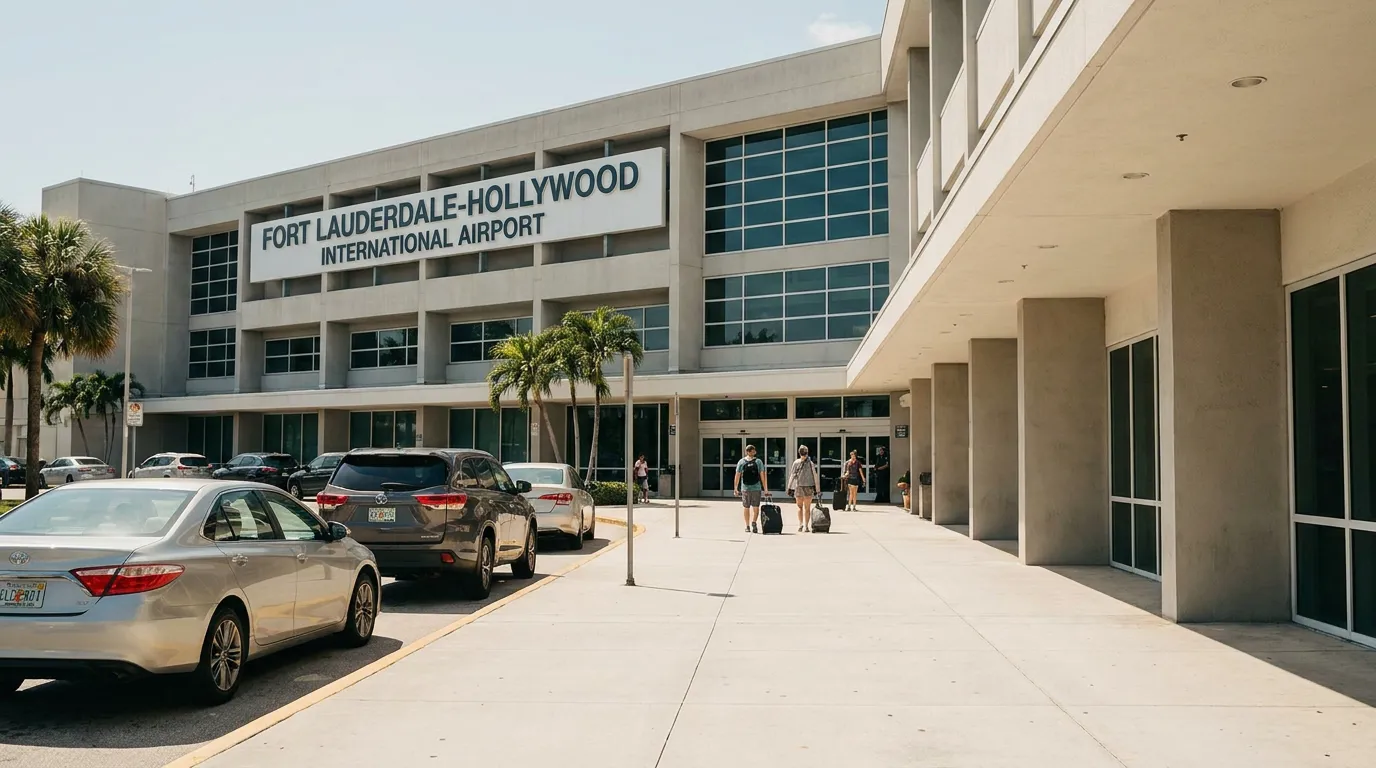 Does Florida’s Sovereign Immunity Cap Apply to Fort Lauderdale Airport Injuries?
Understanding Government Liability at Fort Lauderdale-Hollywood International Airport Key Takeaways: Yes, Florida’s sovereign immunity cap applies to injuries at Fort Lauderdale-Hollywood International Airport because Broward County operates the facility. Under section 768.28, Florida Statutes, you can pursue a negligence claim against the county, but recovery is capped at $200,000 per person and $300,000 per incident....

Tiger Woods is facing a slip-and-fall case filed by one of his former security guards, John Davis, who is also a retired police officer. While guarding Woods’ mansion in Jupiter Island, Florida on December 23, 2010, Davis slipped and fell on a marble walkway. As a result of the fall, Davis, who resides in Miami,...
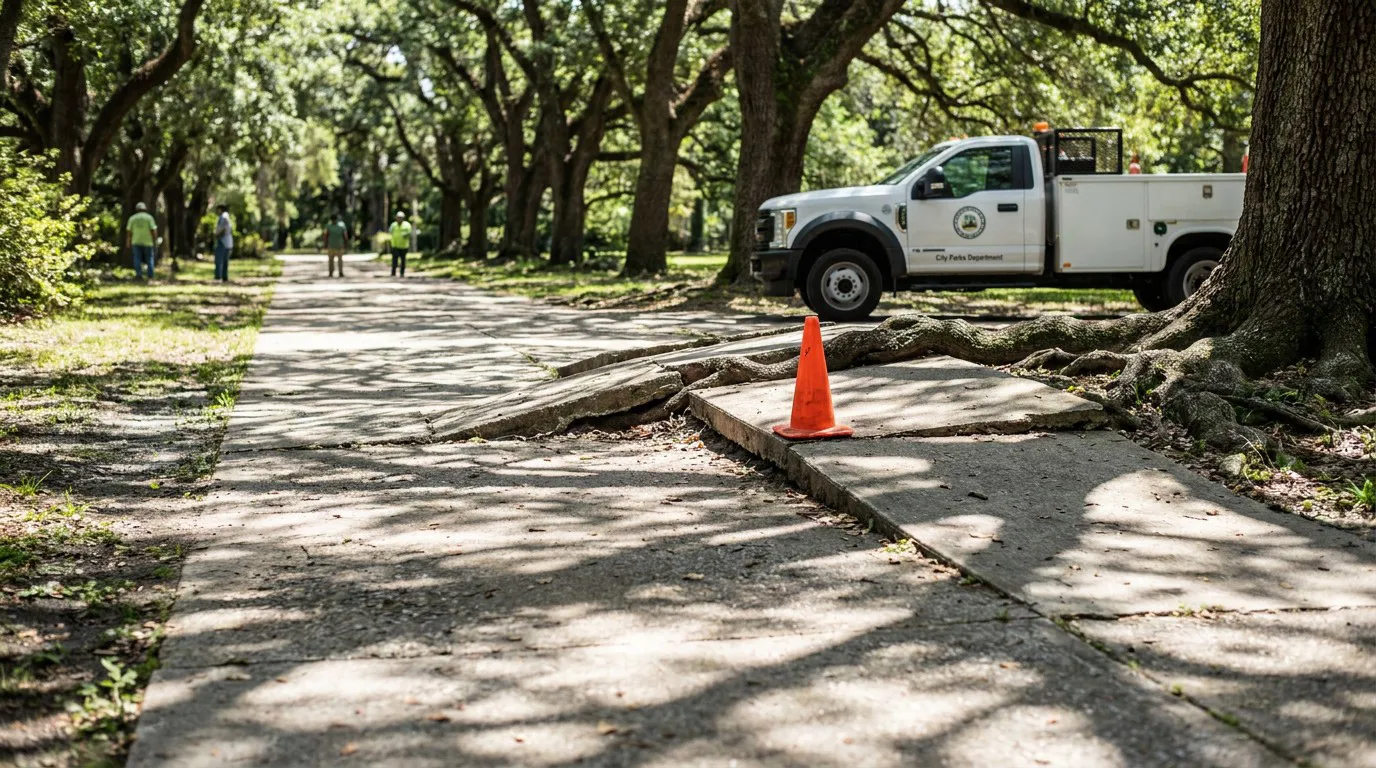 What Is Sovereign Immunity in a Plantation Slip and Fall Against the City?
Falling on City Property in Plantation: Why Sovereign Immunity Matters Key Takeaways: Sovereign immunity means the City of Plantation generally cannot be sued without consent, but Florida Statute §768.28 provides a limited waiver allowing negligence claims against municipalities. To recover, you must connect your injury to a government employee’s negligence and, for slips on transitory...

If you have been injured in a slip and fall accident in Florida that was the result of someone else’s careless or intentional mistakes, you could be entitled to compensation for your losses. Do not wait to contact our offices and discuss your options. Call Chalik & Chalik Injury Lawyers today at (855) 529-0269 for...

What you do after a fall in a supermarket may affect your legal options, if the fall was the result of another’s negligence. The most important things to do after you slip and fall in a South Florida supermarket are to check yourself for injuries and protect a potential claim by reporting your accident. Protect...

Often, Florida cities and municipalities are held responsible for the upkeep and maintenance of sidewalks and could, therefore, be liable for injuries and losses suffered by a victim in a slip and fall accident on a public sidewalk. If the public sidewalk is owned by a condo or homeowner association, then they would have the...

The cost of your medical bills and the financial value of your pain and suffering are two separate parts of an insurance claim or personal injury lawsuit. If you are injured in a car crash, trip and fall accident, or any other type of accident, you can collect compensation from the person responsible for the...