
Understanding Truck Crash Patterns Across Broward County
Key Takeaways:The most common truck accident types in Ft Lauderdale include rear-end and underride collisions, jackknife and rollover crashes, and blind-spot and wide-turn wrecks, driven by commercial vehicle size, dense traffic, and limited visibility. These patterns cluster on busy corridors like I-95 and I-595 where freight, tourism, and Port Everglades traffic converge. Florida applies modified comparative fault, dividing damages by each party’s responsibility, and victims more than 50 percent at fault cannot recover in most negligence cases. Proving liability requires duty, breach, causation, and damages, supported by time-sensitive evidence including logs, black-box data, and maintenance records. Recoverable damages include economic losses, noneconomic harm, and in rare cases, punitive damages. Acting quickly to preserve evidence is essential to protecting your rights.
Certain truck accident types appear repeatedly on Ft Lauderdale roadways, including rear-end collisions, jackknife crashes, rollovers, underride accidents, and blind-spot wrecks. These patterns stem from commercial vehicle size and weight, dense traffic on corridors like I-95 and I-595, and the mix of freight, tourism, and port traffic. Understanding which crash types occur most often helps injured victims identify how their collision happened and who may be responsible. The Florida Department of Transportation maintains a crash database supporting location-based analysis of accidents on the State Highway System and public roadways.
If you or a loved one was hurt in a commercial truck wreck, Chalik & Chalik Injury Lawyers is ready to help. Call 954-476-1000 or reach our team online to discuss your case. Acting early preserves critical evidence.
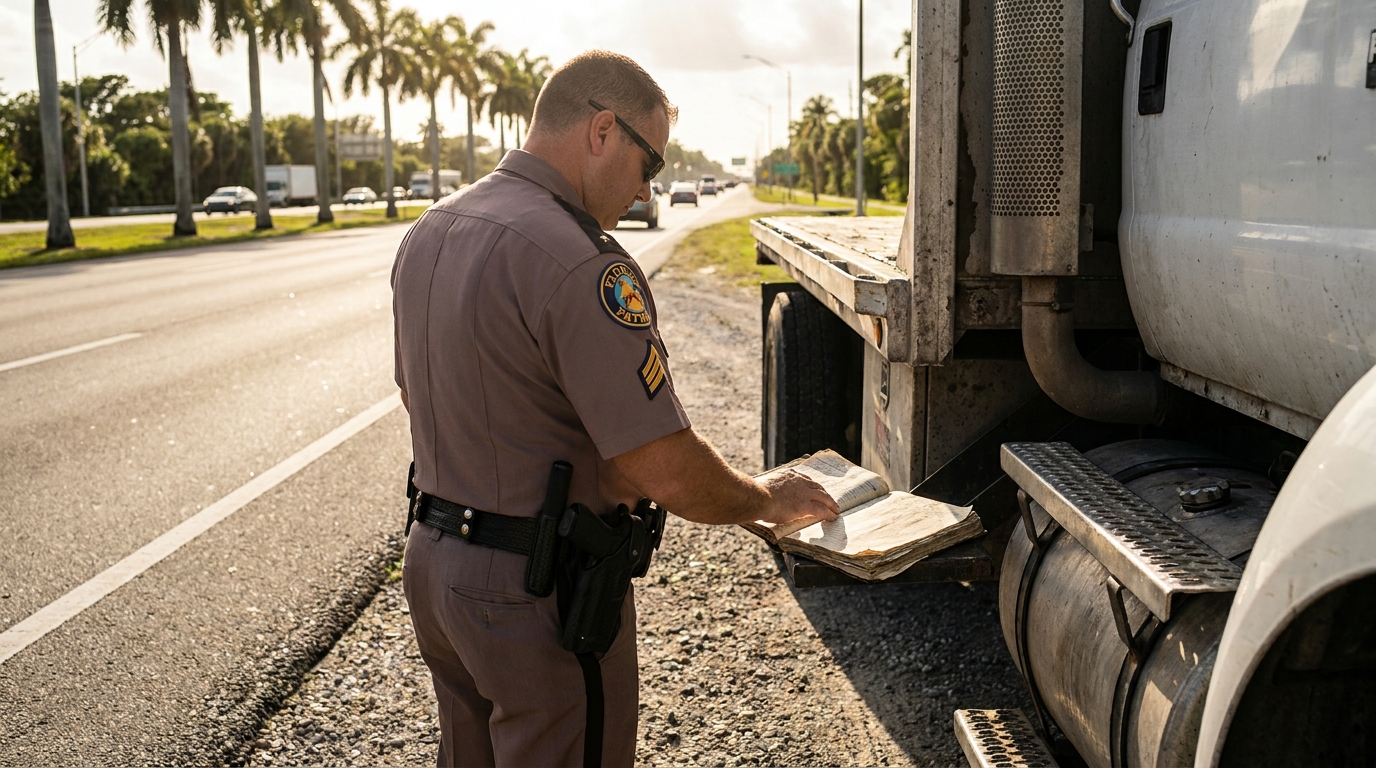
The Most Common Types of Truck Accidents in Florida
The most common truck accidents in Florida follow recognizable patterns tied to vehicle size, road conditions, and driver behavior. Large commercial trucks need longer stopping distances, carry heavy loads, and have significant blind spots. Understanding these categories helps victims make sense of what happened. Each type carries distinct injury risks and liability questions.
Rear-End and Underride Collisions
Rear-end and underride crashes are among the most severe truck accidents due to weight disparity between commercial trucks and passenger vehicles. When a loaded tractor-trailer cannot stop in time, the force can be catastrophic. Underride accidents, where a passenger vehicle slides beneath the trailer, often produce devastating head and upper-body injuries. These cases frequently involve questions about following distance, brake maintenance, and driver attention.
💡 Pro Tip: If physically able after a crash, photograph the rear and side guards of the truck involved, since missing or damaged underride guards can become important evidence.
Jackknife and Rollover Crashes
Jackknife and rollover crashes typically occur when a driver brakes hard, takes a turn too quickly, or loses control of an unevenly loaded trailer. A jackknife happens when the trailer swings outward and folds toward the cab, often blocking multiple lanes and triggering chain-reaction collisions. Rollovers can involve cargo spills, secondary impacts, and serious injuries. Improper loading, speeding, and poor weather all increase the likelihood of these events.
Blind-Spot and Wide-Turn Accidents
Blind-spot and wide-turn accidents reflect limited visibility around large commercial trucks. Trucks have substantial "no-zones" along their sides and rear where smaller vehicles disappear from view. Wide right turns can trap a passenger car between the truck and the curb. These crashes often raise questions about mirror checks, signaling, and safe operating practices.
Why Ft Lauderdale Roads See Frequent Truck Collisions
Ft Lauderdale’s road network combines heavy commercial traffic with congested tourist and commuter routes, creating conditions where truck collisions are common. Freight moving to and from Port Everglades, distribution centers, and regional highways shares space with daily drivers and visitors. Sudden slowdowns, lane changes, and merging conflicts increase risk. Weather events such as sudden rain add another layer of danger.
To better understand the underlying causes, review the four leading causes of truck crashes that frequently appear in Florida claims. Driver fatigue, distraction, improper maintenance, and excessive speed all play recurring roles.
Public crash records can confirm where and how truck wrecks cluster across Broward County. FDOT offers the State Safety Office Geographic Information Systems (SSOGis) Query Tool and Open Data Hub for analyzing crash attributes by geographic area. You can explore the Florida crash database for location-based safety information.
💡 Pro Tip: Note the exact location, direction of travel, and nearby mile markers of your crash to match against crash records and roadway safety data.
How Florida’s Comparative Fault Law Affects Your Claim
Florida applies a comparative fault framework to negligence cases, including truck crashes, meaning damages are allocated according to each party’s percentage of responsibility. Under Fla. Stat. § 768.81(3), the court enters judgment against each party liable based on that party’s percentage of fault, not on joint and several liability. This matters in multi-party truck cases where a driver, trucking company, or parts manufacturer may share blame.
Being partially at fault does not automatically end your claim, though recent changes are important. Under Fla. Stat. § 768.81(2), contributory fault diminishes proportionately the amount awarded as economic and noneconomic damages but does not bar recovery, subject to the modified comparative negligence threshold. Florida amended Section 768.81 in March 2023 to adopt modified comparative negligence. Under the current statute, any party found to be greater than 50 percent at fault for his or her own harm may not recover damages, except in medical negligence actions under Chapter 766. You can review the comparative negligence statute for the operative text.
A defendant who wants to shift blame to someone not named in the lawsuit faces a specific evidentiary burden. Under Fla. Stat. § 768.81(3)(a), a defendant must affirmatively plead the fault of a nonparty and prove it at trial by a preponderance of the evidence. In practice, a trucking company may try to point at a maintenance contractor or another driver. Courts evaluate the supporting evidence carefully.
💡 Pro Tip: Keep a personal file of every document connected to your crash, including the crash report number, medical records, and insurance correspondence. Comparative fault disputes often turn on documentation.
Proving Liability After a Ft Lauderdale Truck Crash
Establishing liability in a truck case requires showing duty, breach, causation, and damages, supported by time-sensitive evidence. Commercial trucks generate records that ordinary car crashes do not, and that evidence can disappear quickly. A prompt investigation is essential to understanding what went wrong.
Common categories of evidence in truck crash claims include:
- Electronic logging device and hours-of-service records
- Dashcam footage and event data recorder ("black box") information
- Truck maintenance and inspection logs
- Driver qualification files and training records
- Cargo loading and weight documentation
Florida law defines negligence actions broadly, expanding the theories available in truck cases. Under Fla. Stat. § 768.81(1)(c), a "negligence action" includes civil actions for damages based on negligence, strict liability, products liability, professional malpractice, breach of warranty, and like theories. This means a defective brake component could support a products liability claim alongside driver negligence.
If your case involves catastrophic injuries, working with a knowledgeable Florida truck accident lawyer can help identify every potentially responsible party. Trucking claims often involve overlapping state rules and federal safety regulations.
Damages You May Recover After a Truck Collision
Florida law recognizes a broad range of recoverable economic damages for injured truck crash victims. Under Fla. Stat. § 768.81, economic damages include past and future lost income, medical and funeral expenses, lost support and services, and replacement value of lost personal property. Many serious truck crashes also involve noneconomic harm such as pain and reduced quality of life. Total recovery depends on injury severity and supporting evidence.
In rare and egregious cases, punitive damages may be available, but the standard is demanding. Under Fla. Stat. § 768.72(2)(b), gross negligence means the defendant’s conduct was so reckless or wanting in care that it constituted conscious disregard or indifference to the life, safety, or rights of persons exposed to such conduct. These damages require clear and convincing evidence and are not awarded in ordinary negligence cases.
| Crash Type | Common Contributing Factors | Frequent Injury Risks |
|---|---|---|
| Rear-end / underride | Following too closely, brake failure | Head, neck, upper-body trauma |
| Jackknife / rollover | Speed, uneven loads, hard braking | Multi-vehicle impacts, crush injuries |
| Blind-spot / wide turn | Limited visibility, improper signaling | Side-impact and pinning injuries |
Frequently Asked Questions
-
What are the most common types of truck accidents in Florida?
Rear-end and underride collisions, jackknife and rollover crashes, and blind-spot or wide-turn wrecks rank among the most frequent. These patterns relate directly to truck size, stopping distance, and limited visibility.
-
Can I recover damages if I was partly at fault for the truck crash?
Possibly, but it depends on your percentage of fault. Damages are reduced proportionally by your fault percentage, and the 2023 amendment bars recovery in most negligence cases when a victim is more than 50 percent at fault.
-
Who can be held responsible after a Ft Lauderdale truck crash?
Multiple parties may share responsibility, including the driver, trucking company, and parts manufacturer. Florida apportions damages by each party’s percentage of fault rather than under joint and several liability.
-
How is fault divided when several parties are to blame?
Florida courts allocate damages based on each party’s share of responsibility. Under Fla. Stat. § 768.81(3), judgment is entered based on each party’s percentage of fault, not joint and several liability.
-
Why does preserving evidence matter so quickly?
Truck records like logs and black-box data can be overwritten or lost within a short time. Acting early helps protect this time-sensitive information and strengthens the factual foundation of a claim.
Protecting Your Rights After a Truck Crash
Knowing which truck accident types are most common in Ft Lauderdale gives victims a clearer picture of how their collision happened and who may bear responsibility. From underride and jackknife crashes to blind-spot wrecks, each pattern raises distinct liability and damages questions under Florida’s comparative fault system. Outcomes depend on the specific facts, available evidence, and applicable statutes. Because the law involves important exceptions and recent changes, careful review of your situation is essential, and this article is general information rather than individualized legal advice.
If you were injured in a commercial truck wreck, the attorneys at Chalik & Chalik Injury Lawyers are ready to listen and explain your options. Call us today at 954-476-1000 or contact our team now to discuss your Broward County truck crash. Taking action early helps protect both your evidence and your rights.

Many of us have taken long road trips, either moving to another state or just for the pure fun of exploring different places. Either way, we know that driving long periods of time can make a driver have tunnel vision and feel exhausted at the wheel. We may turn to drinking coffee, rolling down the...

Accidents involving garbage trucks can cause injuries to other motorists, pedestrians, cyclists, children, and even garbage truck workers themselves. When the term “truck accident” is used, the image that comes to mind most often is one of a tractor-trailer colliding with a passenger vehicle on the highway. However, there are other types of truck accidents...

The trucking industry brings great benefit to our society. Much of America’s food and valuable goods travel across the country on trucks, and Floridians are able to export their agricultural goods and import many things that make our lives better every day. However, having large trucks drive on South Florida’s roadways, such as I-95 and...

The United States interstate system allows for trucking companies to haul cargo from coast to coast, keeping our economy running and delivering many of the products we take for granted every day. Along with the benefit of large trucks, there is also an inherent danger. If you drive on the roads of Florida, you will...

Florida is among the top three states with the most serious truck accidents, according to the National Safety Council (NSC). According to its report, 373 truck accident victims lost their lives in Florida in 2021, and only Texas and California saw more fatal truck accidents that year. If you or a loved one was in...

Multiple Truck Accidents Happen Everyday There are semi trucks everywhere on the roads in Fort Lauderdale. Because of their large size and blind spots, it is not uncommon for trucks to be involved in traffic accidents in Fort Lauderdale. While circumstances surrounding each truck accident are unique, below is a list of the common types...

You can sue the trucking company or a truck driver after a truck wreck, as liability varies on a case-by-case basis. The cause of your accident and other case-related factors will determine the negligent party financially responsible for your damages. It is not always apparent who is liable for a truck accident. Even if you...

Although not many truck accident statistics specific to Fort Lauderdale are available, we know truck accidents are often immensely dangerous. The Federal Motor Carrier Safety Administration (FMCSA) data shows that for one specific year, large trucks and buses accounted for 13.2% of fatal accidents in the United States. Trucks are a staple of Fort Lauderdale, as they...