
When a Terminal Stumble Turns Into a Legal Fight
Key Takeaways:Building a strong Miami International Airport slip and fall claim requires proving the property operator breached its duty of care to you as a lawful "invitee," the category owed the highest protection under Florida law. The central challenge is showing the business had actual or constructive knowledge of the hazard under Fla. Stat. §768.0755, making documentation of how long a spill or danger existed critical. Airport falls often involve multiple parties, operators, cleaning contractors, and vendors, with fault apportioned by each party’s percentage of responsibility. Florida’s modified comparative negligence rule reduces recovery by your share of fault, and being more than 50 percent at fault bars recovery entirely under Fla. Stat. §768.81(6). Preserving evidence quickly is essential since surveillance footage is often overwritten within hours.
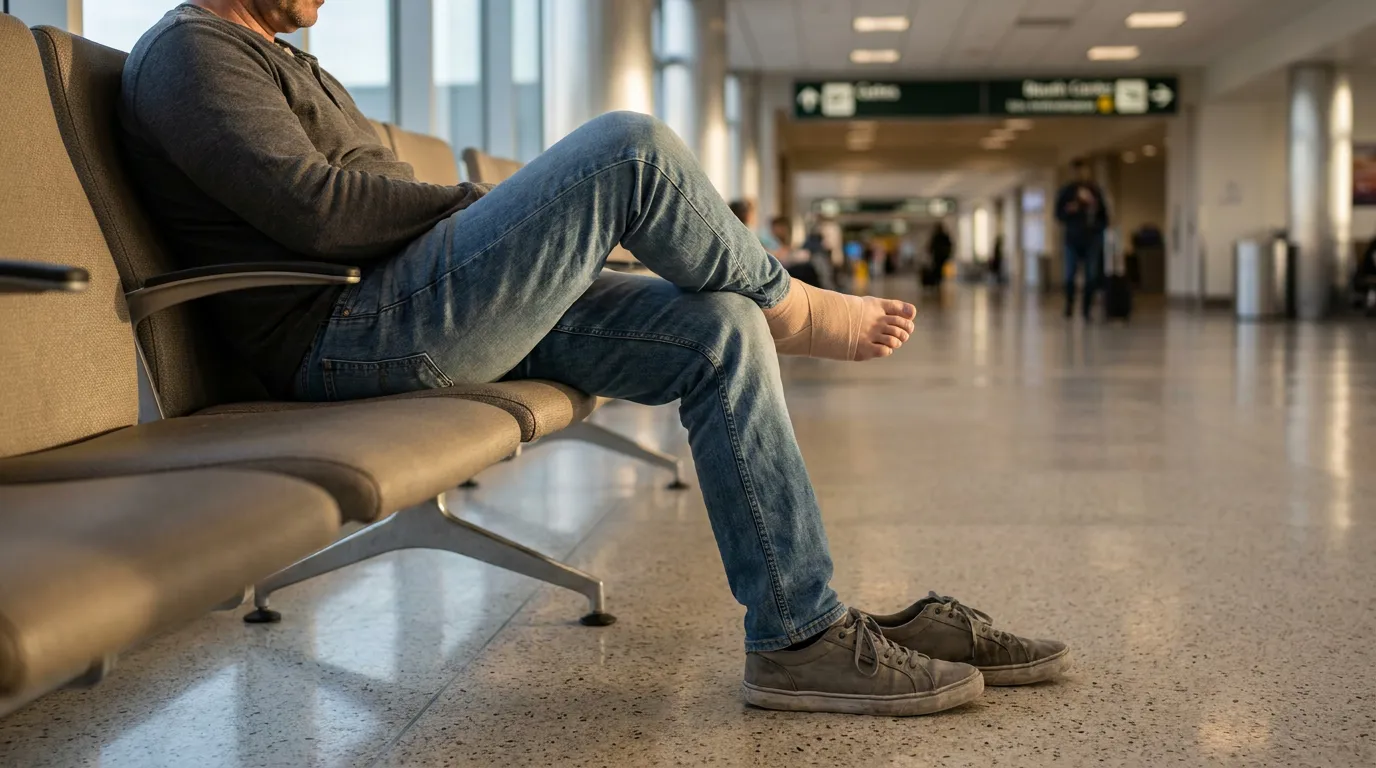
A fall at Miami International Airport can happen in seconds, but the injury claim that follows takes careful strategy to build. Crowded terminals, freshly mopped tile, spilled drinks near food courts, and uneven flooring create hazards for travelers rushing to their gates. Building a strong claim means proving the property owner or operator failed in a legal duty, gathering evidence quickly, and understanding how Florida law treats fault.
If you or a loved one was hurt in a terminal fall, the team at Chalik & Chalik Injury Lawyers is ready to listen. Call us at 954-476-1000 or reach out through our online contact page to discuss steps that may protect your rights.
The Legal Foundation of a Florida Premises Liability Claim
Every slip and fall case in Florida begins with the principle that a property operator owes a duty of care to lawful visitors. A Miami airport slip and fall is treated as a negligence action under Florida law. Under Fla. Stat. §768.81(1)(c), a "negligence action" means, without limitation, a civil action for damages based upon a theory of negligence, strict liability, products liability, professional malpractice whether couched in terms of contract or tort, or breach of warranty and like theories.
Your legal status on the property shapes the duty you are owed. Airport travelers are generally considered "invitees," the category owed the highest level of care, which requires the operator to use reasonable care to maintain the premises in a reasonably safe condition, including reasonable inspection to discover and address hazards.
Why Your Status as an Invitee Matters
Trespasser protections under Florida law are narrow, reinforcing why lawful airport patrons deserve greater protection. Under Fla. Stat. §768.075, property owners generally have no duty to warn undiscovered trespassers of dangerous conditions and must only refrain from intentional misconduct. For discovered trespassers, the owner must avoid gross negligence and warn of known dangers that are not readily observable. The statute also grants immunity for injury to a trespasser under the influence of alcohol with a blood-alcohol level of 0.08 percent or higher, unless gross negligence or intentional misconduct is a proximate cause. You can review the current text in the Florida House’s publication of the state’s premises immunity statute.
💡 Pro Tip: Save your boarding pass, parking receipt, or terminal access record. These documents confirm you were lawfully present as an invitee, supporting the higher duty of care owed to you.
Actual or Constructive Knowledge of the Hazard
The central hurdle in most airport slip and fall cases is proving the business knew, or should have known, about the danger. Florida places a specific evidentiary burden on claimants. Under Fla. Stat. §768.0755, if a person slips and falls on a transitory foreign substance in a business establishment, the injured person must prove that the business establishment had actual or constructive knowledge of the dangerous condition and should have taken action to remedy it.
Constructive knowledge is often the key that unlocks a claim. Under Fla. Stat. §768.0755(1), constructive knowledge may be proven by circumstantial evidence showing the dangerous condition existed for such a length of time that, in the exercise of ordinary care, the business establishment should have known of the condition, or that the condition occurred with regularity and was therefore foreseeable.
When More Than One Party Shares the Blame
Airport injuries frequently involve several potentially responsible parties, from the airport operator to cleaning or maintenance contractors. Damages are apportioned by each liable party’s percentage of fault. Fla. Stat. §768.81(3) directs that the court shall enter judgment against each party liable on the basis of that party’s percentage of fault and not on the basis of joint and several liability.
Certain commercial-property claims involving a third party’s criminal act carry an extra layer of analysis. Fla. Stat. §768.0701 directs that in an action for damages against the owner, lessor, operator, or manager of commercial or real property brought by a person lawfully on the property who was injured by the criminal act of a third party, the trier of fact must consider the fault of all persons who contributed to the injury. This provision applies to causes of action filed after March 24, 2023. You can read the full provision in the Florida Senate’s posting of the commercial property liability statute.
How Comparative Negligence Affects Your Miami Airport Injury Claim
Florida follows a modified comparative negligence standard, which means partial fault does not automatically end your case. Under Fla. Stat. §768.81(2), contributory fault chargeable to the claimant diminishes proportionately the amount awarded as economic and noneconomic damages for an injury attributable to the claimant’s contributory fault, but does not bar recovery, subject to subsection (6). Under Fla. Stat. §768.81(6), a claimant found to be more than 50 percent at fault for his or her own harm may not recover any damages (with an exception for medical negligence actions under chapter 766). If you are found partly responsible, your recovery is reduced by your share of fault rather than eliminated.
There is, however, a critical threshold you must stay below. Under Fla. Stat. §768.81(6), if a party is found to be more than 50 percent at fault for his or her own harm, that party may not recover damages. This bar does not apply to medical negligence actions under chapter 766. Because premises operators often try to shift blame to the injured person, keeping your share of fault below the halfway point is essential.
💡 Pro Tip: Avoid giving a recorded statement to an insurer before speaking with counsel. Casual admissions like "I wasn’t watching where I was going" can push your percentage of fault higher.
Understanding what you may recover helps set realistic expectations. Under Fla. Stat. §768.81(1)(b), economic damages include past and future lost income, medical and funeral expenses, lost support and services, and other economic loss resulting from the injury.
| Fault Scenario | Effect Under Fla. Stat. §768.81 |
|---|---|
| Claimant 0% at fault | Full recovery of proven damages may be available |
| Claimant 50% or less at fault | Recovery reduced in proportion to assigned fault |
| Claimant more than 50% at fault | Barred from recovering damages |
Evidence That Builds a Strong Airport Terminal Fall Claim in Miami
Strong slip and fall evidence in Miami is gathered in the hours and days right after the incident, not weeks later. Terminal surveillance footage is frequently overwritten on short cycles, and hazards get cleaned up quickly. Acting promptly gives your claim the best foundation. For a broader walkthrough of first steps, our guide on what to do when you are injured at an airport offers practical direction.
Certain categories of proof carry significant weight in premises liability matters. Preserving these items early can make the difference in establishing knowledge, causation, and the extent of harm:
- Incident reports filed with airport or airline staff
- Security or surveillance video from the terminal
- Photographs of the hazard, warning signs, and surrounding area
- Names and statements from witnesses who saw the fall or the condition
- Prompt medical records connecting the injury to the incident
💡 Pro Tip: Photograph the hazard from multiple angles before anyone cleans it, and capture a wide shot showing the absence or presence of warning cones. Timestamps on your phone help establish how long the condition existed.
Some cases benefit from professionals who can explain technical issues to a jury. Engineers, treating physicians, and safety consultants may help establish how a hazard formed or why it should have been discovered.
Working With an Airport Slip and Fall Attorney Miami Travelers Trust
A knowledgeable airport slip and fall attorney Miami visitors rely on can help preserve evidence and frame the legal duty owed to you. Attorneys who handle premises liability cases understand how to send preservation letters for video footage, identify every potentially responsible party, and counter attempts to inflate your comparative fault.
Timing matters because civil deadlines apply to personal injury claims. Florida sets a statute of limitations for negligence actions, reduced to two years for causes of action accruing after March 24, 2023. These civil deadlines are separate from any administrative notice requirements that may apply when a government entity is involved, so confirming the applicable timeline early is wise. For deeper background on victim-side representation, our page for a dedicated airport slip and fall attorney Miami lawyer explains how these claims are approached.
💡 Pro Tip: If a government agency operates the facility, ask counsel about notice requirements right away. Missing an administrative deadline can jeopardize an otherwise strong claim.
Frequently Asked Questions
-
Who can be held responsible for a Miami airport slip and fall?
Responsibility may extend beyond the airport itself. Depending on the facts, the property operator, a maintenance or cleaning contractor, or a retail or food vendor could share fault. Fla. Stat. §768.81(3) apportions damages by each party’s percentage of fault.
-
What do I have to prove to win a slip and fall claim in Florida?
You must show the business had actual or constructive knowledge of the hazard. Under Fla. Stat. §768.0755, the injured person must prove the establishment knew or should have known of the dangerous condition and failed to remedy it.
-
Can I still recover if I was partly at fault for my fall?
Yes, but your recovery is reduced. Fla. Stat. §768.81(2) reduces damages in proportion to your fault. However, under Fla. Stat. §768.81(6), being more than 50 percent at fault bars recovery entirely, except in medical negligence claims under chapter 766.
-
How quickly should I act after an airport injury?
As soon as possible, because critical evidence disappears fast. Surveillance footage may be overwritten and hazards cleaned up within hours. Prompt action also helps you stay within Florida’s civil statute of limitations.
-
What compensation might be available?
Florida allows recovery of several categories of economic damages. Under Fla. Stat. §768.81(1)(b), these may include past and future lost income, medical expenses, and other losses stemming from the injury. The value depends on the specific facts.
Protecting Your Rights After a Terminal Fall
Building a strong Miami airport injury claim comes down to proving the operator’s knowledge of the hazard, preserving evidence quickly, and managing the comparative fault rules that govern Florida negligence actions. From establishing your status as an invitee under Fla. Stat. §768.075 to staying below the 50 percent fault threshold in Fla. Stat. §768.81(6), each element requires careful attention. Guidance from an attorney handling airport accidents in Miami can help you avoid missteps that weaken a claim.
If you were hurt in a terminal fall, the attorneys at Chalik & Chalik Injury Lawyers are here to help you understand your options. Call 954-476-1000 today or send us a message through our confidential contact form to take the next step toward protecting your claim.


 What Should You Do After a Slip and Fall in Ft Lauderdale?
What Should You Do After a Slip and Fall in Ft Lauderdale? A slip and fall accident can happen in seconds, but the steps you take immediately afterward can determine whether you receive fair compensation for your injuries. Whether you’ve fallen at a grocery store, restaurant, hotel, or shopping mall in Ft Lauderdale, knowing what...

Why Sweep Logs Matter After a Slip and Fall in Restaurant Incidents Key Takeaways: Sweep logs document whether and when a business inspected its premises and are crucial evidence in Ft Lauderdale restaurant fall claims. Under Florida Statute § 768.0755, you must prove the restaurant had actual or constructive knowledge of a dangerous condition. Acting...

Your Rights After a Shopping Center Accident with a Slip and Fall Attorney in Ft Lauderdale Yes, you can sue for a slip and fall at Ft Lauderdale shopping centers, but Florida law requires proving the business knew or should have known about the dangerous condition that caused your fall. If you’re dealing with painful...
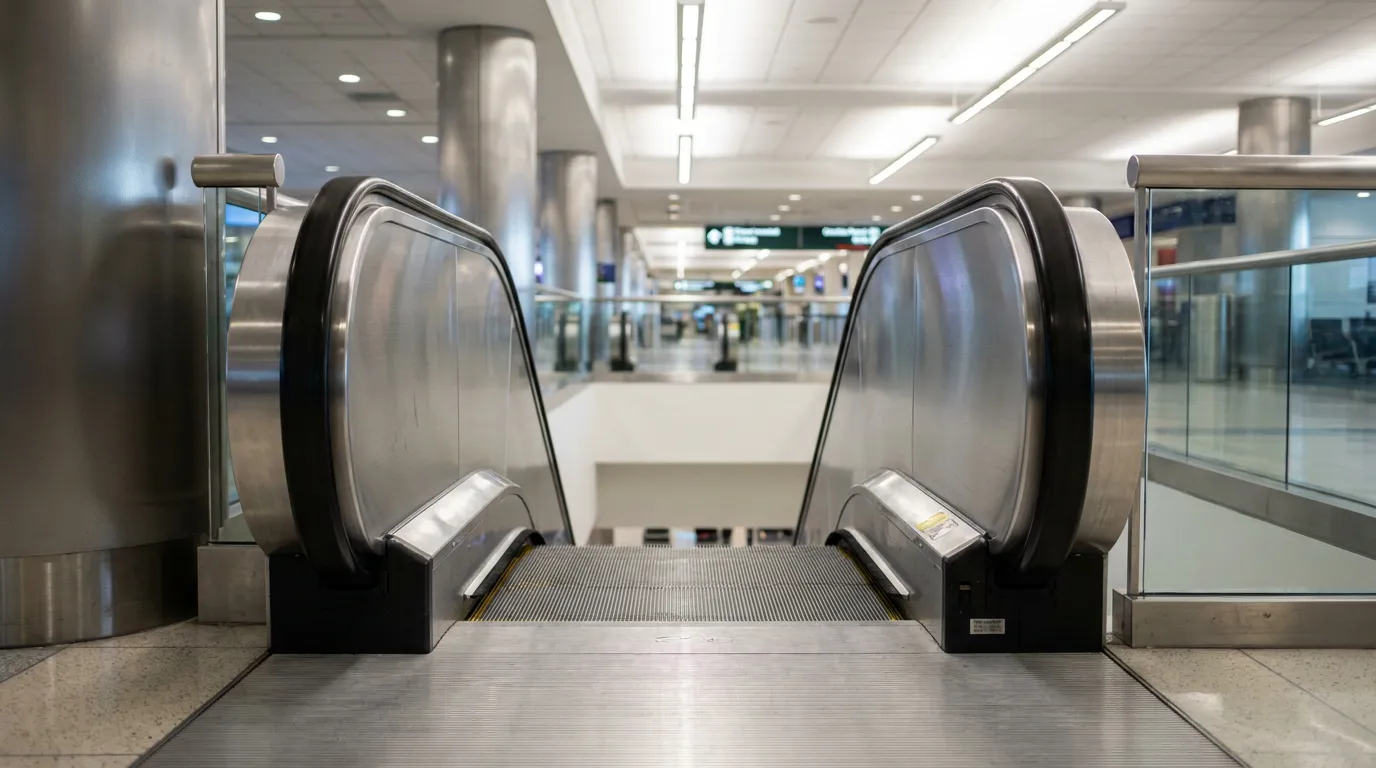 How to Prove Negligence After an Escalator Fall at Fort Lauderdale Airport
Understanding Your Rights After a Fall on an Escalator at FLL Key Takeaways: Proving negligence after an escalator fall at Fort Lauderdale-Hollywood International Airport requires establishing duty, breach, causation, and damages. Because FLL is operated by Broward County, your claim falls under Florida’s limited waiver of sovereign immunity, which remain $200,000 per person and $300,000...

The statute of limitations for slip and fall accident cases in Florida is set at two years. Under this law, you generally have two years from the fall or from the date you discovered injuries to file a personal injury lawsuit. There are several legal considerations to weigh when determining if your window to file...

If you suffer injuries in a slip and fall accident on someone else’s property, the negligent party’s liability insurance company will typically be responsible for paying you compensation to cover your losses, such as medical bills, lost wages, and pain and suffering. A Fort Lauderdale slip and fall accident lawyer from our firm can guide...

If you were involved in a wet floor slip and fall accident, you should know that: If another party’s negligence caused your accident, you can seek compensation. You should collect any type of evidence possible to strengthen your case. Slip and fall accidents can cause severe injuries, so you should seek medical care right away....

When accepting visitors onto the premises, property owners are held to a high duty of care to ensure that guests and visitors are not injured by hazardous conditions. For example, let’s say that a small child spilled their drink in a grocery store. The store should have workers continuously monitoring the premises to quickly address...