
Understanding Your Rights as a Visitor on Florida Property
Key Takeaways:If you were injured while shopping, dining, or visiting a business in Plantation, you were most likely an invitee under Florida law, a person invited onto property for a business purpose. Florida sorts visitors into three categories, invitee, licensee, and trespasser, each carrying different duty of care, with invitees receiving the highest protection. Under Fla. Stat. § 768.075, invitation depends on whether you had an objectively reasonable belief you were welcome in the area where you fell. Property owners owe invitees an affirmative duty to inspect for dangers, make prompt repairs, and warn of hazards. Because insurers often dispute these fact-dependent questions, evidence like surveillance footage, maintenance logs, and photographs is essential. Florida sets a limited filing window under Fla. Stat. § 95.11, so confirming your deadline early is critical.
If you were injured while shopping, dining, or visiting a business in Plantation, you were most likely an invitee under Florida law. An invitee is a person invited onto property for a business purpose, such as a customer walking into a store. This status matters because it determines the level of care the property owner owed you. Knowing where you fall within Florida’s visitor categories is often the first step toward understanding whether the property owner may be held responsible for your fall.
Slip and fall injuries can lead to surgery, rehabilitation, lost wages, and frustrating insurance denials. If you are trying to make sense of your legal options, Chalik & Chalik Injury Lawyers is ready to help. You can reach our team by phone at 954-476-1000, learn more about our firm at Chalik & Chalik Injury Lawyers, or reach out through our online case review request to discuss what happened.
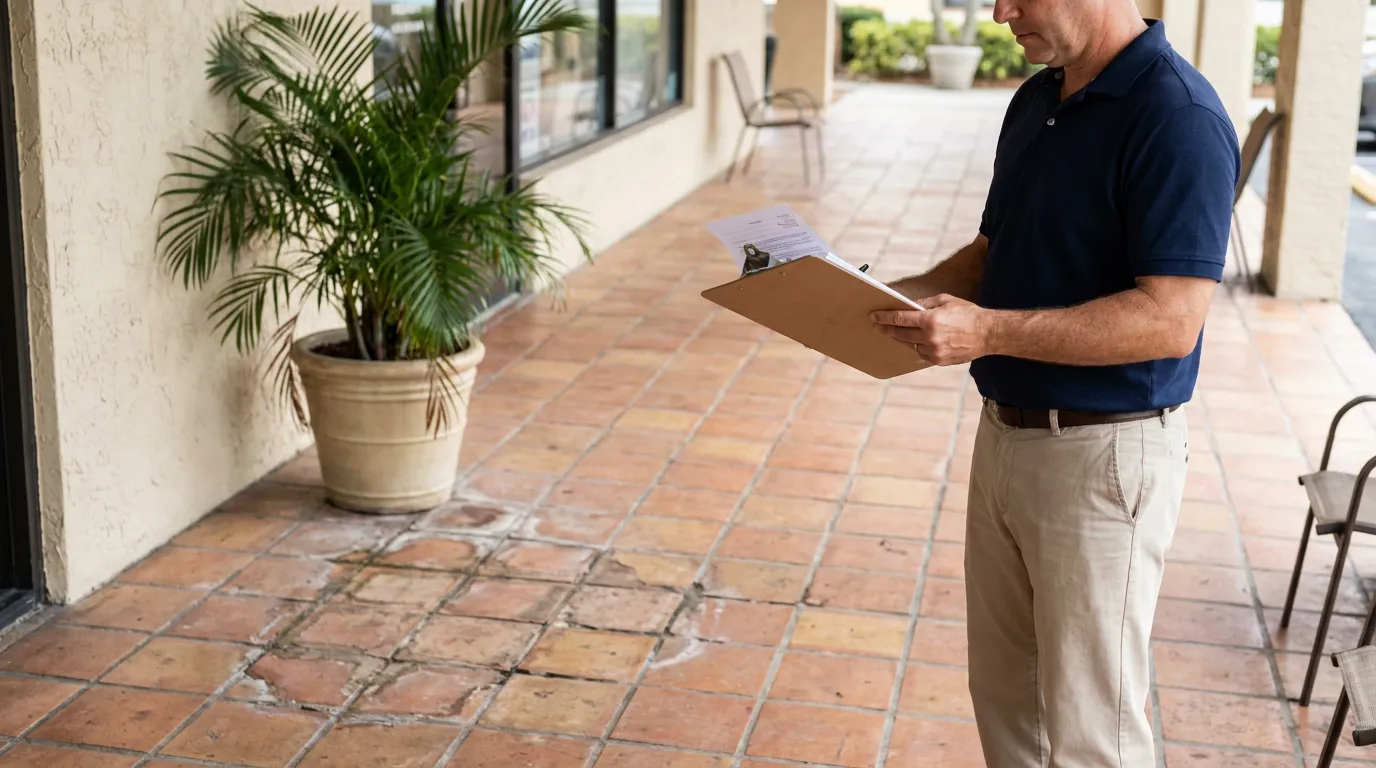
The Three Categories That Shape Premises Liability
Florida premises liability law generally sorts visitors into three legal categories, and each category carries a different duty of care. The level of care a property owner must provide depends on the visitor’s legal status: invitee, licensee, and trespasser.
An invitee receives the highest level of protection. An invitee is someone invited onto property for the owner’s commercial benefit, like a customer in a retail store, and the category includes people on property open to the public. Most slip and fall claimants belong to this group, whether hurt in a grocery store, hotel lobby, or airport terminal.
A licensee has permission to be on the property for social rather than commercial reasons. The classic example is a guest at a dinner party. The owner generally owes a licensee a duty to warn of known dangers that are not obvious. You can read more about how these distinctions operate in a Plantation premises liability case.
💡 Pro Tip: Keep any receipt, appointment confirmation, or reservation showing you had a business reason to be on the property. This documentation can help support your invitee status if questioned.
How Florida Statute Defines an Invitation
Florida law provides a specific statutory definition of "invitation" that is central to determining invitee status in a slip and fall claim. Under Florida’s premises liability statute, Fla. Stat. § 768.075, "invitation" means that the visitor entering the premises has an objectively reasonable belief that he or she has been invited or is otherwise welcome on that portion of the real property where the injury occurs. If you reasonably believed you were welcome in the area where you fell, that belief may support your invitee status.
The statute also sets a threshold for elevating a visitor to invitee status. Status is not raised to invitee unless the person or organization owning or controlling an interest in the real property has issued an express invitation to enter the property or has manifested a clear intent to hold the property open to use. Open store hours, public entrances, and posted welcome signs can all point toward a clear intent to invite the public inside.
Florida courts often treat these questions as fact-dependent. Whether you were welcome in a specific area, such as a stockroom versus a sales floor, may affect the analysis.
Why Invitee Status Matters for a Slip and Fall Claim Florida Residents File
Invitee status matters because property owners generally owe invitees the highest duty of care compared to other visitor classes. For invitees, the owner has an affirmative duty to inspect for dangers, make prompt repairs, and warn of any hazards. This duty includes regularly inspecting for hidden dangers, repairing them, and providing adequate warning of uncorrected hazards.
That heightened duty stands in sharp contrast to what owners owe trespassers. Under Fla. Stat. § 768.075, an undiscovered trespasser is defined as a person who enters property without invitation, either express or implied, and whose actual physical presence was not detected, within 24 hours preceding the accident, by the person or organization owning or controlling an interest in real property. For undiscovered trespassers, owners generally must only refrain from intentional misconduct and owe no duty to warn of dangerous conditions. For discovered trespassers, owners must refrain from gross negligence or intentional misconduct and warn of known dangerous conditions that are not readily observable. The gap between these duties shows why establishing invitee status is significant in a premises liability Plantation matter.
Common maintenance failures that injure invitees include spills, loose debris, uneven flooring, and weather-related water accumulation near entrances. When these hazards cause a fall, the affirmative duty owed to invitees becomes central to the case.
💡 Pro Tip: Photograph the hazard immediately, including the substance on the floor and any missing warning signs. Conditions like spills are often cleaned within minutes, so early evidence can be difficult to recover later.
| Visitor Status | Typical Example | General Duty Owed |
|---|---|---|
| Invitee | Store customer | Inspect, repair, and warn of hazards |
| Licensee | Social guest | Warn of known, non-obvious dangers |
| Undiscovered trespasser | Uninvited entrant | Refrain from intentional misconduct |
Proving Your Case With the Help of a Slip and Fall Accident Attorney Plantation Injury Victims Trust
Building a strong claim generally requires showing duty, breach, causation, and damages, and each element depends on solid evidence. A knowledgeable slip and fall accident attorney Plantation residents rely on can help gather the records that establish what the owner knew and when. Insurance adjusters frequently dispute these claims, particularly by arguing that a transitory foreign substance was not present long enough for the owner to discover it.
To rebut those defenses, the following evidence is often valuable:
- Surveillance footage showing the hazard and how long it remained
- Maintenance and inspection logs that reveal gaps in cleaning
- Witness statements from other shoppers or employees
- Incident reports completed by store management
- Photographs of the scene and your visible injuries
While some states have abolished the distinction between invitees and licensees, applying a single standard of reasonable care to all lawful visitors, Florida continues to recognize invitee status through its statutory framework, which is why your legal classification remains important.
💡 Pro Tip: Ask the business to preserve its surveillance video in writing as soon as possible. Many systems overwrite footage within days, and a preservation request can prevent important evidence from disappearing.
Deadlines That Can Affect a Slip and Fall Injury Plantation Claim
Florida sets a limited window for filing most personal injury lawsuits, and missing it can bar your claim entirely. For negligence-based slip and fall cases, the civil statute of limitations is governed by Fla. Stat. § 95.11. This civil deadline is separate from any internal claims process an insurer may use.
Courts generally interpret exceptions to filing deadlines narrowly. While tolling or a discovery rule may apply in limited circumstances, these exceptions do not apply automatically. Because the outcome depends on specific facts, confirm your deadline early rather than risk losing the right to recover.
💡 Pro Tip: Note the exact date of your fall and treat it as your countdown starting point. Even if you are still receiving medical treatment, waiting too long to consult a lawyer can put your claim at risk.
Frequently Asked Questions
1. Am I automatically an invitee if I was shopping at a store?
Not automatically, but shoppers generally qualify because they enter for a business purpose. Under Fla. Stat. § 768.075, invitee status depends on whether you had an objectively reasonable belief you were welcome in the area where you fell.
2. What is the difference between an invitee and a licensee?
An invitee is present for a commercial purpose and receives the highest duty of care, while a licensee is present for social reasons. Owners owe licensees only a duty to warn of known, non-obvious dangers.
3. What duty did the property owner owe me as an invitee?
Owners owe invitees a duty to inspect for dangers, make prompt repairs, and warn of hazards. This includes regularly inspecting for hidden dangers and warning of uncorrected conditions.
4. How long do I have to file a slip and fall claim in Florida?
The civil deadline is set by Fla. Stat. § 95.11 and is separate from any insurance claims process. Because exceptions are interpreted narrowly and rarely apply automatically, confirming your deadline promptly is important.
5. What if the store says the spill was there only briefly?
Insurers often raise the transitory foreign substance defense to argue the owner had no time to discover the hazard. Evidence like surveillance video and maintenance logs can help address how long the condition existed.
Bringing It All Together
In most Plantation slip and fall cases, an injured shopper, hotel guest, or airport visitor qualifies as an invitee, which places a meaningful duty of care on the property owner. Florida’s statutory definition of invitation, the three visitor categories, and the affirmative duty to inspect and warn all work together to shape whether a claim may succeed. Because these issues are fact-sensitive and insurers frequently push back, understanding your status is a valuable starting point.
If a hazardous condition left you injured, you do not have to sort through Florida premises liability law alone. Contact Chalik & Chalik Injury Lawyers at 954-476-1000, visit our personal injury law firm website, or send us a message through our free consultation request form to discuss your situation and protect your rights.


After a Painful Fall in Miami: Understanding Your Next Steps After a sudden fall in a Miami business, your first concern is injury severity—but once medical bills arrive, you may wonder if the property owner bears responsibility. Florida law requires businesses to maintain safe premises, yet proving negligence in slip and fall cases involves specific...

What Ft. Lauderdale Restaurant Diners Should Know About Their Legal Protections After a Fall Key Takeaways: Florida law classifies restaurant diners as "business invitees," owed the highest duty of care under premises liability law. Restaurants must inspect their premises, fix dangerous conditions, and warn patrons of known hazards. To prove a slip and fall, you...

With a baby on board, pregnant women may find it more difficult to maintain balance and be surefooted. Pregnancy brings with it many bodily changes like a shift in the center of gravity, weight gain, a protruding belly, dizziness and loosening of ligaments. As a result, expectant mothers may be prone to falls. While there...
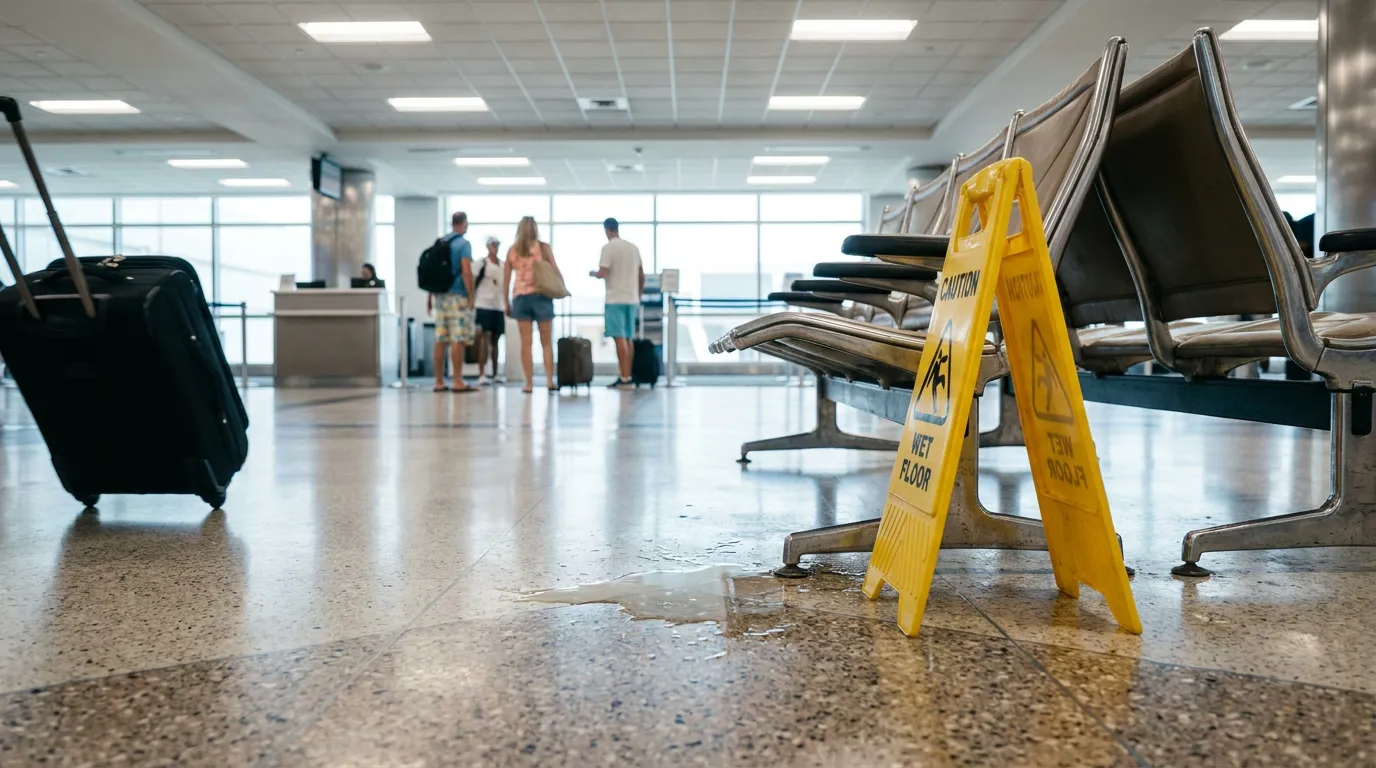 How to Build a Strong Miami Airport Slip and Fall Injury Claim
When a Terminal Stumble Turns Into a Legal Fight Key Takeaways: Building a strong Miami International Airport slip and fall claim requires proving the property operator breached its duty of care to you as a lawful "invitee," the category owed the highest protection under Florida law. The central challenge is showing the business had actual...

There are two main types of slip and fall accidents: Elevated falls – These occur when a person falls from one level down onto another. They can be as simple as tripping off a sidewalk into the road, or as complex as falling off scaffolding on a construction site. Same-level falls – These occur when...

When you receive a settlement for a slip and fall accident, you might wonder if you have to pay taxes on the money. The answer depends on what the settlement covers. Some parts of a settlement are considered taxable by the Internal Revenue Service (IRS), while others are not. Understanding how the IRS treats different...

Suing Walmart for a slip and fall injury is a complex process that involves gathering evidence of negligence and liability, negotiating with Walmart’s liability insurance provider, meeting the personal injury lawsuit statute of limitations, and potentially defending your claim in court. While you can take on the challenge of suing Walmart after a slip and...

In slip and fall accident cases, the state of Florida requires claimants to prove that the property owner did not take reasonable precautions to prevent their injury. Because many people do not have a working knowledge of premises liability laws, they elect to work with a personal injury lawyer. Some of the services that these...