
When Dizziness Is Really a Stroke: Your Rights After an ER Error
Key Takeaways:Yes, you may be able to sue a Miami ER for misdiagnosing a stroke as vertigo, but Florida law makes these claims harder than many other malpractice cases. A misdiagnosis alone is not malpractice, so you generally must prove duty, breach of the standard of care under Fla. Stat. § 766.102, causation, and damages. Causation is often the hardest part: you typically must show that a faster diagnosis more likely than not would have led to a better outcome. If the error happened during emergency care before stabilization, Fla. Stat. § 768.13 generally requires proof of reckless disregard instead of ordinary negligence. Claimants must also complete Florida’s presuit process, including a corroborating medical opinion, a notice of intent, and a 90-day investigation period. Most claims must be filed within 2 years of when the incident was or should have been discovered, and no later than 4 years from the incident, with limited exceptions. An incapacitating stroke generally does not pause that deadline.
Yes, you may be able to sue a Miami emergency room for misdiagnosing a stroke as vertigo, though Florida law makes these claims harder than many other malpractice cases. A stroke can look like an inner ear problem, with dizziness, nausea, and trouble balancing. When an ER sends a stroke patient home with a vertigo diagnosis, the delay can cost the window for time-sensitive treatment. Whether that delay is actionable depends on the standard of care, the stage of emergency treatment when the error happened, and whether you meet Florida’s strict presuit and filing requirements.
If you or a loved one was sent home from a Miami ER with a vertigo diagnosis and later learned it was a stroke, Chalik & Chalik Injury Lawyers can review what happened and explain your options. Call 954-476-1000 or contact us now to start a conversation.
Why Strokes Get Mistaken for Vertigo in the ER
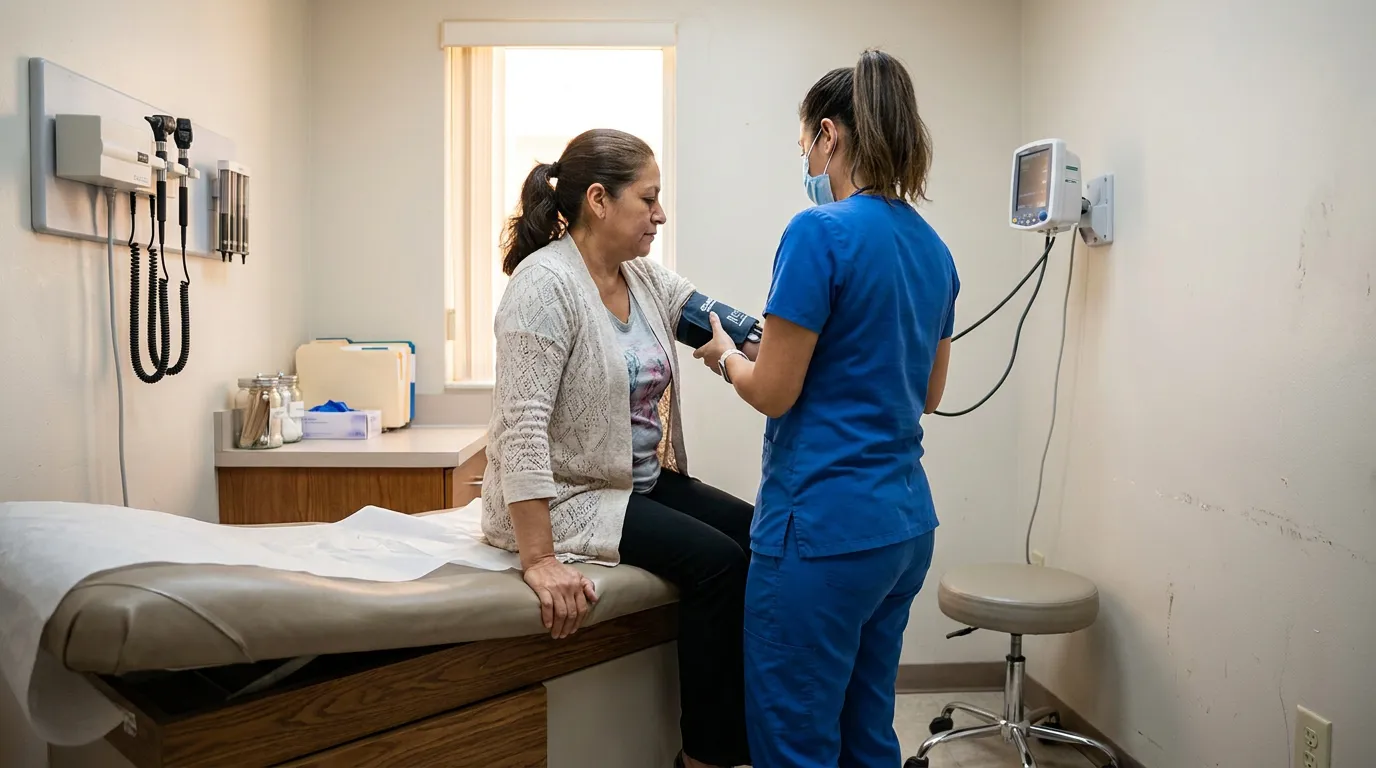
Strokes in the back of the brain, which affect balance and coordination, often cause symptoms that overlap with benign inner ear conditions. A patient may arrive with spinning sensations, vomiting, or unsteady walking, and a busy ER may treat those as a common vestibular problem. When providers skip a careful neurological exam or appropriate imaging, a stroke can go unrecognized.
A vertigo misdiagnosis is not automatically malpractice. Some strokes are hard to detect even with careful evaluation, and early CT scans can miss them. The legal question is whether the provider’s evaluation fell below what a reasonably careful similar provider would have done. For broader background, see our overview of medical misdiagnosis claims.
What You Must Prove in a Missed Stroke Diagnosis Emergency Room Case
Like any Florida medical negligence plaintiff, you generally must prove duty, breach, causation, and damages. The claim may fail if any one element is missing.
The Standard of Care Under Florida Law
Florida measures breach against a defined benchmark. Under Fla. Stat. § 766.102, the standard of care is the level of care, skill, and treatment that a reasonably prudent similar health care provider would recognize as acceptable and appropriate under the circumstances. In a stroke case, that may involve whether the provider did an adequate neurological exam, ordered appropriate imaging, or consulted neurology when warning signs appeared. Generally, an expert must practice in the same or a similar specialty as the defendant.
Diagnosis Falls Within Florida’s Malpractice Definition
Florida’s limitations statute treats diagnostic errors as medical malpractice. Fla. Stat. § 95.11(5)(c) covers claims arising out of any medical, dental, or surgical diagnosis, treatment, or care by a health care provider. A missed or delayed stroke diagnosis generally falls within that definition.
Causation Is Often the Hardest Element
You must generally show that the misdiagnosis, not the stroke itself, caused additional harm. Florida courts generally require proof that, more likely than not, timely diagnosis and treatment would have led to a better outcome. Florida does not generally recognize a "loss of chance" claim based only on a reduced chance of recovery. This issue is fact-intensive and depends on qualified medical expert testimony.
The Emergency Care Hurdle: Florida’s Reckless Disregard Standard
Florida gives emergency providers significant protection, which is a major hurdle for Miami ER malpractice claims. Under Fla. Stat. § 768.13(2)(b)1., a health care provider, including a hospital licensed under chapter 395, that provides emergency services under the federal Emergency Medical Treatment and Active Labor Act (42 U.S.C. § 1395dd) is not liable for civil damages unless the care was provided under circumstances demonstrating reckless disregard for the consequences. Ordinary negligence is generally not enough. You can review the text in Florida’s Chapter 768 statutes.
What "Reckless Disregard" Means
The statute sets a higher bar than ordinary carelessness. Under Fla. Stat. § 768.13(2)(b)3., reckless disregard means conduct that the provider knew or should have known created an unreasonable risk of injury to another person’s life or health, where that risk was substantially greater than what is needed to make the conduct negligent. Courts consider the information available to the provider, any prior relationship with the patient, and the nature of the emergency.
Timing: Before or After Stabilization
Whether the misdiagnosis happened before or after the patient was stabilized can be a central issue. Under Fla. Stat. § 768.13(2)(b)2., the protection applies to acts or omissions, including diagnosis, that occur before the patient is stabilized and able to receive treatment as a nonemergency patient, as long as they relate to the original emergency. Diagnostic errors after stabilization may be judged under the ordinary negligence standard. This distinction is often disputed.
Florida Filing Deadlines for a Missed Stroke Lawsuit
Florida’s deadlines are strict, and missing one can end a claim regardless of its merit. The rules below come from Florida’s Chapter 95 limitations law.
| Rule | General Deadline | Statute |
|---|---|---|
| Standard limitations period | 2 years from the incident or from when it was or should have been discovered | Fla. Stat. § 95.11(5)(c) |
| Statute of repose | No later than 4 years from the incident | Fla. Stat. § 95.11(5)(c) |
| Fraud or concealment extension | 2 years from discovery, capped at 7 years from the incident | Fla. Stat. § 95.11(5)(c) |
| Wrongful death | 2 years; death claims based on malpractice are generally also subject to the medical malpractice limitations and repose rules | Fla. Stat. § 95.11(5)(c), (e) |
The discovery rule and fraud extension do not apply automatically. The clock generally starts when you knew, or reasonably should have known, about the injury and a reasonable possibility it was caused by malpractice. The fraud extension applies only when concealment, fraud, or intentional misrepresentation actually kept the injury from being discovered.
Families should not assume an incapacitating stroke pauses the deadline. The incapacity tolling provision in Fla. Stat. § 95.051(1) applies only to incapacity adjudicated before the claim arose, and it expressly excludes medical malpractice actions.
💡 Pro Tip: If your loved one cannot manage their own affairs after a stroke, a family member may need legal authority, such as a guardianship or power of attorney, to request records and pursue a claim. Starting early can protect the timeline.
Florida’s Presuit Process for a Stroke Misdiagnosis Claim
Before you can file a lawsuit, Florida generally requires a formal presuit investigation. Families should act well before the deadline. Serving the notice of intent within the limitations period pauses the deadline during the 90-day period. A claimant can also petition the court under Fla. Stat. § 766.104(2) for an automatic 90-day extension.
The key presuit steps generally include:
- Corroborating medical opinion: Under Fla. Stat. § 766.203, the claimant must get a verified written opinion from a qualified medical expert confirming reasonable grounds for a negligence claim. It must be served with the notice of intent.
- Notice of intent: Fla. Stat. § 766.106 requires notice to each prospective defendant before filing suit. It must be served within the limitations period and include a required medical records authorization.
- 90-day investigation period: Under § 766.106, providers and their insurers generally have 90 days to investigate before suit can be filed. Once that period ends or the claim is rejected, the claimant generally has 60 days or the remainder of the limitations period, whichever is greater, to file suit.
Practical evidence matters. ER records, triage notes, imaging orders, discharge instructions, and later hospital records documenting the stroke can show what providers knew and when. A written timeline of symptoms and conversations may also help.
What Compensation May Be Available
Damages in a delayed stroke diagnosis case may include economic and noneconomic losses. Economic damages can cover medical bills, rehabilitation, long-term care, and lost income. Noneconomic damages may include pain, suffering, and loss of enjoyment of life. Other rules, such as collateral source setoffs, may affect the final recovery.
Florida law on damage limits has a complicated history. Fla. Stat. § 766.118 set caps on noneconomic damages in medical negligence actions. The Florida Supreme Court held those caps unconstitutional in wrongful death cases (Estate of McCall v. United States, 2014) and in personal injury cases (North Broward Hospital District v. Kalitan, 2017), so they are generally not enforced today. Other limits still apply. In medical malpractice death cases, Fla. Stat. § 768.21(8) currently bars some adult children and parents of adult decedents from recovering noneconomic damages. Treat any estimate of recovery with caution.
💡 Pro Tip: Keep receipts and notes on every post-stroke expense, including home modifications, travel to therapy, and family caregiving time.
Frequently Asked Questions
1. Is every stroke misdiagnosed as vertigo considered malpractice?
No. A misdiagnosis is potentially actionable only if the provider fell below the standard of care in Fla. Stat. § 766.102 and that failure more likely than not caused additional harm. If the error happened during emergency care before stabilization, the higher reckless disregard standard in § 768.13 may apply.
2. How long do I have to file a claim in Florida?
Generally, 2 years from the incident or from when it was or should have been discovered, but no later than 4 years from the incident, under Fla. Stat. § 95.11(5)(c). Narrow exceptions for fraud or concealment may extend this up to 7 years. Act early, since the presuit process can affect timing.
3. What if my family member died from a missed stroke?
A wrongful death action may be available. It generally must be brought within two years, and death claims based on malpractice are usually subject to the medical malpractice limitations and repose rules in Fla. Stat. § 95.11(5)(c). Presuit requirements also apply, and some family members may face limits on noneconomic damages under § 768.21(8).
4. Do I need a medical professional’s support before suing?
Generally, yes. Fla. Stat. § 766.203 requires a verified written opinion from a qualified medical expert confirming reasonable grounds for the claim, served with the notice of intent.
5. Can I file a complaint with the state instead?
You may file an administrative complaint about a provider’s license, but that process is separate from a civil lawsuit. It does not pause the malpractice filing deadline or award compensation.
Protecting Your Family After an ER Missed a Stroke
A missed stroke diagnosis emergency room case in Miami can potentially be pursued, but it requires careful attention to Florida’s legal hurdles. You may need to show reckless disregard if the error happened during emergency care before stabilization, complete the presuit process, and file within strict deadlines. Speaking with a missed stroke diagnosis emergency room lawyer can help you understand where your situation stands.
If an ER mistook your or your loved one’s stroke for vertigo, Chalik & Chalik Injury Lawyers is ready to help you understand your next steps. Call 954-476-1000 or reach out to our team today before important deadlines pass.
Disclaimer: This content is for informational purposes only and is not legal advice. Every case is unique, and results may vary. Consult an attorney about your specific circumstances.

In March 2016, a mother saw her baby daughter swallow a lithium battery. She called 911, and had her baby transported to the hospital, where she insisted that the battery be removed right away. However, the doctor informed the parents that the case was comparable to that of ingesting a coin. In spite of recommendations...
 What Is the Medical Malpractice Statute of Repose in Florida?
Florida’s Outer Deadline for Medical Malpractice Claims Key Takeaways: Florida’s medical malpractice statute of repose, found in Fla. Stat. § 95.11(5)(c), generally bars a lawsuit filed more than four years after the incident, even if the patient has not yet discovered the injury. This runs alongside a separate two-year statute of limitations, which starts when...

Receiving a correct diagnosis for cancer or other serious medical condition is critical especially if a condition or cancer is wrongly diagnosed, treatment is often delayed or incorrect. This error can cause catastrophic results for the patient, ranging from increased health complications because of improper treatment, to death from lack of proper care. When a...

Patients rely on their doctors and pharmacists to provide them with the right medications in the proper dosages, and to inform them of any possible drug interactions. Unfortunately, prescription errors are not uncommon and wind up harming numerous patients each year. When a patient is harmed because of a careless mistake by a physician, nurse,...

If you or someone you love suffered an injury during a dental procedure, you might be able to seek compensation—but only if the dental professional was negligent. However, to file a dental malpractice claim in Florida, you must do so before the filing deadline passes and obtain a Certificate of Merit attesting to the substandard...

It is more common than you might think for people to be unsure whether they are victims of medical malpractice. The only way you can win a medical malpractice lawsuit is by proving that a medical error was made or medical negligence occurred. Unfortunately, it may not always be clear whether these mistakes occurred. With...

It is more common than you might think for people to be unsure whether they are victims of medical malpractice. The only way you can win a medical malpractice lawsuit is by proving that a medical error was made or medical negligence occurred. Unfortunately, it may not always be clear whether these mistakes occurred. With...

Few experiences can be as distressing as facing complications after a plastic surgery procedure. Such incidents can leave lasting scars, both physical and emotional, and deeply affect the victim or the victim’s family. One of the best ways to navigate these turbulent waters is by securing the guidance of a Florida medical malpractice lawyer. At...