
Waking Up During Surgery: What Florida Patients Need to Know
Key Takeaways:Anesthesia awareness occurs when a patient regains consciousness during a procedure meant to render them unconscious, sometimes perceiving sound, pressure, or pain while unable to signal for help, and the psychological aftermath can be lasting. In Florida, this may amount to malpractice only when evidence shows the anesthesia provider breached the prevailing professional standard of care under Fla. Stat. § 766.102 and that breach caused the harm. Incorrect dosing, unmonitored vital signs, faulty equipment, paralytics given without adequate sedation, or inadequate supervision of a nurse anesthetist may support a claim, while awareness during high-risk emergency procedures may not. Chapter 766 also imposes presuit steps, including a good faith investigation under § 766.104, a corroborating verified medical expert opinion under § 766.203, and a Notice of Intent with a 90-day screening period under § 766.106. Deadlines are generally strict, typically two years from the incident or its discovery under Fla. Stat. § 95.11(5)(c), with a four-year outer limit and only narrow tolling and extension provisions. Recovery often centers on psychological harm, making anesthesia records, monitor data, and formal diagnoses important to the claim.
Anesthesia awareness happens when a patient regains consciousness during surgery meant to prevent it, sometimes perceiving sounds, pressure, pain, or paralysis with no ability to signal for help. It’s rare, but the psychological aftermath, anxiety, sleep disruption, PTSD, can be lasting. Whether it amounts to malpractice depends on a separate question: did the anesthesia provider fall below the standard of care Florida law requires, and did that failure cause the harm?
If you or a family member experienced awareness under anesthesia at a Miami-area hospital or surgical center, the team at Chalik & Chalik Injury Lawyers can review the operative record and explain your options. Call 954-476-1000 or contact us now to discuss what happened.
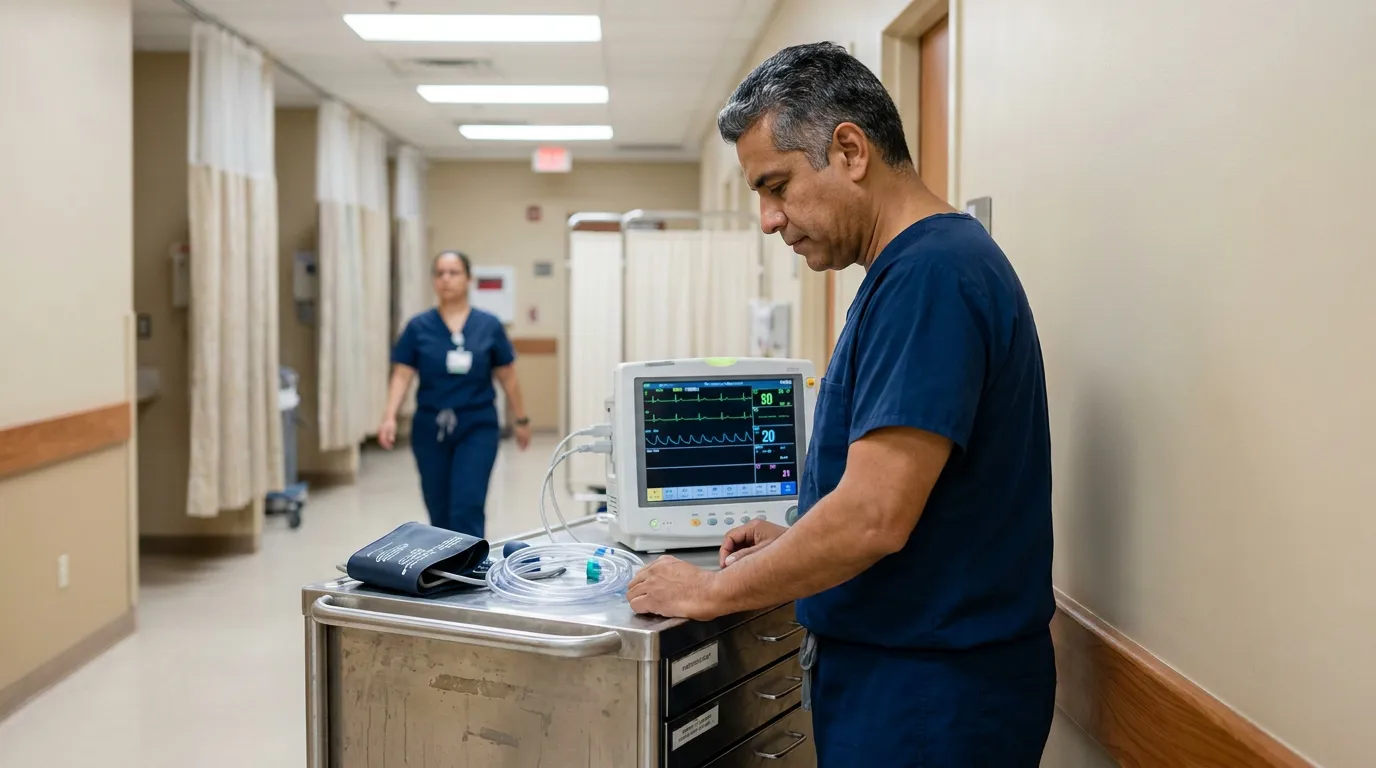
How Florida Law Defines a Medical Malpractice Claim
Florida Statutes Chapter 766 supplies the legal framework for medical negligence claims, including those filed in Miami-Dade County. Under Fla. Stat. § 766.106(1)(a), a "claim for medical negligence" arises from the rendering of, or failure to render, medical care or services. Related definitions in §§ 766.202 and 95.11 describe such claims as arising from the medical, dental, or surgical diagnosis, treatment, or care of a patient by a health care provider. An anesthesiologist’s negligent administration or monitoring of anesthetic agents generally falls inside that definition.
This matters because malpractice claims carry procedural burdens ordinary negligence cases do not. Filing under the wrong theory, or skipping a required step, can end a case before the facts are heard. The medical malpractice framework in Chapter 766 generally controls the process from the first notice letter forward.
The Standard of Care Anesthesiologists Must Meet
Fla. Stat. § 766.102(1) requires a claimant to prove the provider breached the prevailing professional standard of care, the level of care, skill, and treatment recognized as acceptable by reasonably prudent similar health care providers under the circumstances. A poor outcome alone does not establish liability, because medicine involves risk even when performed correctly.
Florida law also defines anesthesiology. Under Fla. Stat. § 458.3475(c) (allopathic) and § 459.023(c) (osteopathic), "anesthesiology" means the practice of medicine that specializes in the relief of pain during and after surgical procedures and childbirth, during certain chronic disease processes, and during resuscitation and critical care of patients in the operating room and intensive care environments. That definition frames the specialty’s scope, though the applicable standard of care is established through expert testimony, not statutory definition.
Credentials and Qualified Testimony
Proving anesthesiologist negligence generally requires testimony from a physician with training or experience in the same specialty as the defendant. Fla. Stat. § 766.102(5) sets those qualification criteria, requiring the expert to hold an active and valid license and conduct a complete review of pertinent medical records. Where the defendant is a specialist, the expert must specialize in the same specialty and must have devoted professional time in that specialty to active clinical practice, consulting, teaching in an accredited program, or clinical research. Without a qualified supporting opinion, a claim may not survive the presuit stage.
Florida also defines the credentialing baseline: under Fla. Stat. § 459.023(1)(a), an "anesthesiologist" (for osteopathic purposes) is an osteopathic physician holding an active, unrestricted license who completed an ACGME- or AOA-approved anesthesiology training program and is board certified or eligible by the American Osteopathic Board of Anesthesiology, the American Board of Anesthesiology, or the Board of Certification in Anesthesiology. The parallel allopathic definition under Fla. Stat. § 458.3475(1)(a) applies to allopathic physicians and requires ACGME-approved training. Failing to meet those benchmarks isn’t itself proof of negligence, but reviewing who actually managed your anesthesia, and who supervised if a CRNA administered the drugs, is often an early step in evaluating a case.
When Anesthesia Awareness During Surgery May Become Malpractice
Anesthesia awareness may become a potential malpractice claim when evidence suggests a deviation from accepted anesthesia practice caused the event. Not every instance qualifies. Certain high-risk procedures, emergency cesarean sections, trauma surgery, cardiac cases, sometimes require lighter anesthetic depth for hemodynamic safety, and awareness there may reflect documented clinical judgment rather than a breach.
Facts that may support a claim include:
- Incorrect drug dosing or miscalculation based on weight, age, or medical history
- Failure to recognize or respond to vital sign changes suggesting inadequate anesthetic depth
- Malfunctioning or improperly checked vaporizers, infusion pumps, or monitoring equipment
- Administering a paralytic without confirming adequate sedation
- Inadequate supervision of a nurse anesthetist or leaving the patient unattended
- Failure to review a history of prior awareness, substance use, or medication tolerance
Whether these amount to a breach still depends on qualified expert opinion applied to the specific clinical circumstances.
💡 Pro Tip: Write down everything you remember about the episode, sounds, conversations, sensations, along with the date and time. Contemporaneous notes can later be compared against the anesthesia record and operating room log.
Monitoring Safeguards and Supervision Requirements
Florida regulates certain operating environments closely, illustrating the vigilance the state expects during anesthesia. For example, Fla. Stat. § 458.328(2)(c) requires that an office where a physician performs gluteal fat grafting maintain a one-physician-to-one-patient ratio from administration of anesthesia through extubation. That rule applies only to a narrow category of office procedures and doesn’t set the hospital standard of care, but it reflects a broader principle: continuous, undivided anesthesia monitoring is treated as a patient safety necessity.
Whether a monitoring lapse constitutes a breach is fact-dependent. Anesthesia records, pump logs, machine service histories, and nursing notes may carry more weight than recollection alone. Preserving those materials early matters, and an attorney handling a Florida medical malpractice claim can send preservation requests before records are archived or overwritten.
The Presuit Steps Required Before Filing
Florida generally does not allow a malpractice lawsuit to be filed the moment a patient decides to sue. Fla. Stat. § 766.106 requires a Notice of Intent to Initiate Litigation and a 90-day presuit screening period before suit may be brought. During that window, the prospective defendant and its insurer investigate and must respond by rejecting the claim, offering settlement, or offering to admit liability and arbitrate damages. Service of the notice tolls the statute of limitations during the 90-day presuit screening period; under the current statute, the tolling ends at the conclusion of that presuit investigation period, with a 60-day post-termination window available only when the parties have stipulated to an extended screening period.
Separately, Fla. Stat. § 766.104 requires counsel to have a good faith basis, based on reasonable investigation and medical review, before filing, and § 766.203 requires the notice to be corroborated by a verified written medical expert opinion. Section 766.104(2) also allows a one-time 90-day extension of the limitations period to complete that investigation. These steps can add months to the timeline, so waiting until the deadline approaches creates real risk; reaching out early gives attorneys more runway to obtain records and a corroborating opinion.
| Procedural Step | Governing Statute | General Effect |
|---|---|---|
| Good faith presuit investigation | Fla. Stat. § 766.104 | Reasonable investigation and medical review required before filing |
| Corroborating expert opinion | Fla. Stat. § 766.203 | Verified written medical expert opinion must accompany notice |
| Notice of Intent and screening | Fla. Stat. § 766.106 | 90-day presuit period; tolls the limitations period |
| Standard of care and testimony | Fla. Stat. § 766.102 | Breach must be proven by qualified expert |
| Limitations period | Fla. Stat. § 95.11(5)(c) | Generally 2 years, subject to outer limits |
Deadlines That Can End a Claim Before It Starts
Under Fla. Stat. § 95.11(5)(c), a medical malpractice action generally must be commenced within two years from when the incident occurred, or within two years from when it was discovered or should have been discovered with due diligence. The action generally may not be commenced later than four years from the incident, except this repose period does not bar an action on behalf of a minor filed by the child’s eighth birthday. Courts generally interpret these provisions strictly, and the discovery rule applies based on what the patient knew or should have known, not automatically.
If fraud, concealment, or intentional misrepresentation prevented discovery of the injury, the limitations period may extend two years from discovery, but generally no later than seven years from the incident, with the same exception for minors. That extension isn’t presumed; it generally must be established with evidence, such as proof that records were altered or the event was affirmatively withheld.
Tolling Is Limited, Not Open-Ended
Fla. Stat. § 95.051 identifies narrow tolling circumstances, including the defendant’s absence from the state or concealment preventing service of process. The same section addresses minority or previously adjudicated incapacity but limits how those apply and does not extend the repose periods in § 95.11. The main extensions available in malpractice cases come from Chapter 766 itself, presuit tolling under § 766.106 and the 90-day investigative extension under § 766.104(2). In practice, tolling arguments in malpractice cases are considerably narrower than in ordinary injury claims.
Because these questions turn on specific dates and documents, and the Legislature has amended Florida’s limitations statutes in recent years, readers should treat general timelines as background rather than a determination about their own case. The Florida statute of limitations rules contain multiple interacting subsections, and their application depends on facts like when symptoms appeared and what the patient was told afterward.
💡 Pro Tip: Request a complete copy of your medical records, including the anesthesia flow sheet and medication administration record, rather than just a discharge summary. Summaries rarely contain the minute-by-minute data anesthesia cases depend on.
What Recovery May Involve in an Anesthesia Awareness Case
Damages in an intraoperative awareness case often center on psychological harm rather than visible physical injury, making documentation important. Claimants may seek compensation for medical and psychiatric treatment, therapy costs, lost income, and pain and suffering, subject to what the evidence supports and the limits Florida law places on recovery, including comparative fault principles. Because the injury is largely internal, treating providers’ records and formal diagnoses may carry significant weight.
Outcomes vary widely depending on the strength of the anesthesia record, credibility of supporting medical opinions, and defenses raised. No attorney can promise a particular result. Patients in Broward and Miami-Dade who want a case reviewed can speak with a medical malpractice lawyer about how their facts fit the statutory framework.
Frequently Asked Questions
1. Is every case of anesthesia awareness malpractice in Florida?
No. Liability generally requires proof the provider breached the standard of care under Fla. Stat. § 766.102 and that the breach caused the harm. Some awareness events occur despite appropriate care, particularly in high-risk or emergency procedures.
2. How long do I have to file an anesthesia malpractice claim in Miami?
Generally two years from the incident or its discovery under Fla. Stat. § 95.11(5)(c), with a four-year outer limit, subject to limited exceptions for minors and for fraud or concealment. Since the presuit process under § 766.106 generally takes at least 90 days, consulting counsel well before the deadline is advisable.
3. Do I need a doctor to review my case before filing?
In most cases, yes. Fla. Stat. § 766.104 requires a good faith basis supported by reasonable investigation, § 766.203 requires a verified written medical expert opinion, and § 766.102(5) sets qualification criteria for that physician.
4. What if the hospital says my memory is unreliable?
That’s a common defense, which is why objective records matter. Anesthetic dosing data, monitor printouts, equipment maintenance logs, and staff notes may corroborate or contradict a patient’s account.
5. Can I bring a claim if a nurse anesthetist administered the anesthesia?
Potentially. Depending on the facts, claims may involve the nurse anesthetist, a supervising physician, or the facility under vicarious liability or direct negligence theories, and Florida’s presuit requirements generally apply to each provider named.
Moving Forward After a Traumatic Surgical Experience
Anesthesia awareness is a recognized surgical complication, but when evidence shows it resulted from inadequate dosing, unmonitored equipment, or insufficient supervision falling below the standard of care, Florida law may provide a path to accountability. Chapter 766 generally governs the standard of care, presuit process, and qualified testimony needed, while Chapter 95 sets deadlines generally enforced strictly. Each case turns on its own records and timeline, so a general rule is never a substitute for a fact-specific review.
If you believe an anesthesia error caused you or a loved one lasting harm, Chalik & Chalik Injury Lawyers is available to evaluate your circumstances. Call 954-476-1000 or request a case review to get started.
Disclaimer: This content is for informational purposes only and is not legal advice. Every case is unique, and results may vary. Consult an attorney about your specific circumstances.

Patients rely on their doctors and pharmacists to provide them with the right medications in the proper dosages, and to inform them of any possible drug interactions. Unfortunately, prescription errors are not uncommon and wind up harming numerous patients each year. When a patient is harmed because of a careless mistake by a physician, nurse,...

Full term pregnancy normally lasts 39 to 40 weeks. However, circumstances do exist where babies are born early, doctors call these premature births. Babies can survive outside the womb as early as 24 weeks, but they face many challenges on their way to heading home. While there are many natural reasons for a baby to...
 How the 90-Day Presuit Screening Period Works After a Notice of Intent
What Happens After You Send a Malpractice Notice in Florida Key Takeaways: After a Notice of Intent to Initiate Litigation is served on each prospective defendant, Florida law generally imposes a 90-day presuit screening period under Fla. Stat. § 766.106(3)(a) during which a lawsuit generally may not be filed. The provider or its insurer must...

When a loved one falls victim to a hospital-acquired infection (HAI), the pain and heartbreak can be immense. The repercussions of such incidents can be long-lasting, shaking the foundation of trust we place in medical facilities and emphasizing the significance of hiring a Florida medical malpractice lawyer. At Chalik & Chalik, we’re committed to standing...

Few experiences can be as distressing as facing complications after a plastic surgery procedure. Such incidents can leave lasting scars, both physical and emotional, and deeply affect the victim or the victim’s family. One of the best ways to navigate these turbulent waters is by securing the guidance of a Florida medical malpractice lawyer. At...

A Novocaine injection can cause permanent numbness in rare cases. If you suffered permanent numbness because a dental professional administered it incorrectly in your case, a Fort Lauderdale medical malpractice lawyer could help you identify the precise cause. They can also review your medical or dental records with an expert to determine whether the practice...

It is more common than you might think for people to be unsure whether they are victims of medical malpractice. The only way you can win a medical malpractice lawsuit is by proving that a medical error was made or medical negligence occurred. Unfortunately, it may not always be clear whether these mistakes occurred. With...
 Examining Cruise Ship Medical Malpractice
Cruise lines generally have medical staff on each ship to ensure all passengers can receive prompt treatment for illness or injuries. However, like doctors and trained care providers on land, cruise ship medical staff can act negligently and commit malpractice. If you or a loved one suffered preventable injuries or harm because of a careless...