
How Delays in Emergency Imaging Can Cause Permanent Spinal Damage
Key Takeaways:You may be able to sue if a doctor delayed an emergency MRI for cauda equina syndrome, but you must prove the delay fell below Florida’s prevailing professional standard of care and caused you lasting harm. Cauda equina syndrome is a surgical emergency, and missed red-flag symptoms like saddle numbness or bladder problems can lead to permanent loss of bladder, bowel, sexual, or leg function. Causation is often the hardest part, because you generally need expert medical testimony showing that earlier imaging and treatment more likely than not would have led to a better result. Hospitals as well as individual providers may be liable. Before filing, Florida requires a reasonable investigation, a written medical expert opinion, a notice of intent, and a 90-day presuit investigation period. Claims generally must be filed within two years of the incident or its discovery and no later than four years after the incident, with limited exceptions, so get a legal review early.
You may have grounds to sue if a doctor delayed an emergency MRI for cauda equina syndrome, but only if you can prove the delay fell below the accepted standard of care and caused you lasting harm. Cauda equina syndrome happens when nerve roots at the base of the spine get compressed, and it often needs fast imaging and surgery. When a doctor or emergency room misses the warning signs, sends a patient home, or waits too long to order imaging, the patient can permanently lose bladder, bowel, sexual, or leg function. Florida law may offer a path to compensation, but with strict deadlines, required presuit steps, and a heavy burden of proof.
If a delayed diagnosis changed your life or the life of someone you love, you do not have to sort through these questions alone. The team at Chalik & Chalik Injury Lawyers can review what happened and explain your options under Florida law. Call 954-476-1000 or contact us now to schedule a free consultation.
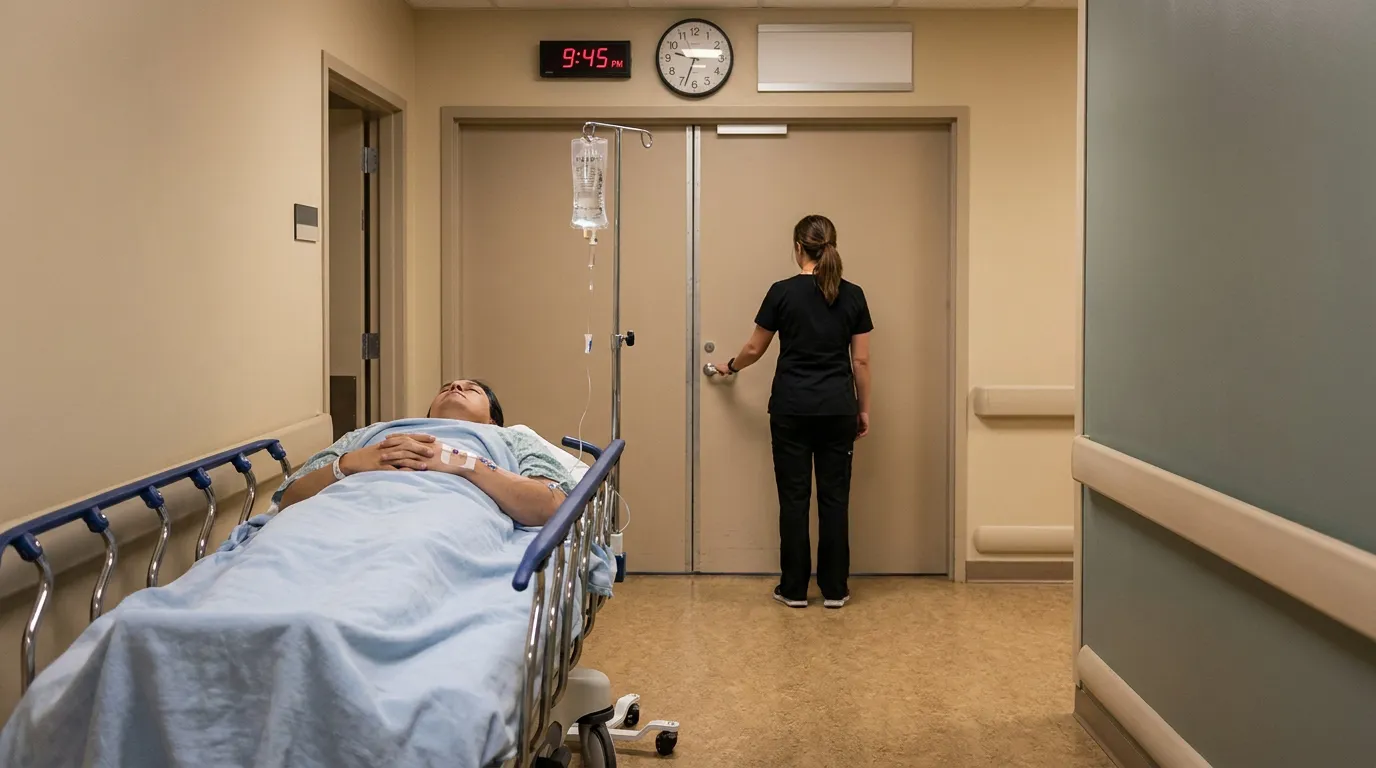
Why Time Matters So Much With Cauda Equina Syndrome
Cauda equina syndrome is a surgical emergency because nerve damage from spinal compression can become permanent if doctors do not relieve the pressure quickly. Medical studies generally link earlier surgery with better outcomes, while longer waits raise the risk of lasting incontinence, numbness, and weakness.
Common warning signs that may call for urgent evaluation include:
- Severe or worsening low back pain
- Numbness in the "saddle" area (groin, buttocks, inner thighs)
- New bladder problems, such as trouble urinating or leaking
- Bowel problems or loss of control
- Weakness, numbness, or pain running down one or both legs
- Sexual dysfunction
These symptoms can look like ordinary back strain at first, which is one reason doctors miss them. A busy ER doctor may label the complaint "sciatica" and send the patient home with pain medication. Whether that was negligent depends on what the provider saw, asked, and wrote down.
What Florida Law Expects From an Emergency Room
Florida defines an emergency medical condition to include sudden symptoms, which may include severe pain, that without immediate medical attention could reasonably be expected to seriously endanger health, bodily functions, or any organ or body part. That definition appears in Fla. Stat. § 395.002(8)(a). Classic cauda equina symptoms such as saddle numbness and bladder problems may fit within it, supporting the argument that the patient needed urgent imaging.
Under Fla. Stat. § 395.002(9), emergency services and care include medical screening, exams, and evaluation to decide whether an emergency medical condition exists. If one does, the definition extends to the care, treatment, or surgery needed to relieve it, within what the facility can provide. But these statutes mainly set hospital duties. Courts still judge a malpractice claim under the standard of care in Chapter 766.
When Hospital Immunity May Not Apply
Florida law protects hospitals and doctors from liability for refusing emergency care only in limited situations. Under Fla. Stat. § 395.1041(3)(g), that protection generally applies when the refusal follows screening, exams, and evaluation, and rests on a reasonable decision that no emergency exists or that the hospital lacks the ability or space to treat. If an ER sent home a patient with red-flag symptoms without a reasonable evaluation, this protection may not apply. Federal law (EMTALA) may also require hospitals to screen and stabilize patients.
Proving a Cauda Equina Syndrome Misdiagnosis Was Malpractice
To win a misdiagnosis claim, you generally have to prove four elements: duty, breach, causation, and damages. Duty is often easy to prove when a provider-patient relationship exists. The harder questions are whether the provider fell short and whether that failure caused your injuries.
The Standard of Care Under Florida Law
Florida measures negligence against the "prevailing professional standard of care." Fla. Stat. § 766.102 defines it as the level of care, skill, and treatment that reasonably careful similar providers accept as appropriate under the circumstances. You must prove a breach by the greater weight of the evidence. In a delayed MRI case, the question is whether a reasonably careful doctor seeing your symptoms would have ordered emergency imaging or a surgical consult sooner.
A bad outcome alone does not prove negligence. Courts may look at your symptoms at each visit, the exam findings, the chart, and whether imaging was reasonably available. Hospitals sometimes point to scheduling backlogs, which may or may not excuse the delay or a failure to transfer the patient.
Causation Is Often the Hardest Element
Even when a delay was unreasonable, you generally must show that earlier diagnosis and treatment more likely than not would have led to a better result. Florida courts generally do not allow recovery based only on a lost chance of a better outcome that falls below that threshold. Defense lawyers often argue the nerve damage had already happened before the patient arrived. Expert medical testimony on timing, symptom progression, and surgical outcomes often decides this issue.
Claims Against Hospitals and Individual Providers
Liability may extend beyond the individual doctor. Fla. Stat. § 766.110 addresses a health care facility’s duty to oversee care and certain risk management duties. Hospitals may also be liable for their employees’ negligence, and sometimes for contracted doctors. This may matter if system failures caused the harm, such as poor triage rules, unread imaging, or poor communication between radiology and the ER. Many ER doctors are independent contractors, and some hospitals have sovereign immunity protections that limit claims. Identifying every responsible party early can help protect your claim.
💡 Pro Tip: Write down a timeline of your symptoms, every visit, and what each provider told you while your memory is fresh. Include discharge instructions and staff names if you know them.
Florida’s Presuit Requirements Before Filing a Lawsuit
Florida generally does not let you file a medical negligence lawsuit right away. You must first complete a required presuit process, and mishandling these steps can put your case at serious risk.
Under Fla. Stat. § 766.104, you must conduct a reasonable investigation before filing. Your lawyer must certify a good faith belief that grounds exist for a claim against each named defendant. Under Fla. Stat. § 766.203, a verified written opinion from a qualified medical expert must support the claim, and you must serve it with the notice of intent.
Fla. Stat. § 766.106 then requires written notice of intent to each prospective defendant, followed by a 90-day presuit investigation period. During this time, the provider and its insurer investigate the claim, and you may not file a lawsuit. The filing deadline pauses during this period, but the timing rules are technical, so plan well before the deadline.
Florida Malpractice Deadlines You Cannot Ignore
Florida generally gives you two years to bring a medical malpractice claim. Under Fla. Stat. § 95.11(5)(c), the clock starts when the incident happened or when you discovered it, or should have discovered it with due diligence. That statute defines medical malpractice broadly, which may cover a failure to order an emergency MRI on time.
| Rule | General Time Limit | Source |
|---|---|---|
| Standard limitations period | 2 years from incident or discovery | Fla. Stat. § 95.11(5)(c) |
| Statute of repose | 4 years from incident (minor exception up to 8th birthday) | Fla. Stat. § 95.11(5)(c) |
| Fraud or concealment extension | 2 years from discovery, max 7 years from incident | Fla. Stat. § 95.11(5)(c) |
| Presuit investigation period | 90 days after notice of intent | Fla. Stat. § 766.106 |
The discovery rule can matter in cauda equina cases because patients may not learn right away that a delay caused their permanent damage. But it does not apply automatically. The clock generally starts when you knew, or reasonably should have known, of the injury and that malpractice may have caused it.
Florida’s four-year statute of repose generally bars claims filed more than four years after the incident, no matter when you discovered the injury. An exception exists for claims brought for a minor on or before the child’s eighth birthday. If fraud, concealment, or intentional misrepresentation kept you from discovering the claim, the deadline may extend two years from discovery, but generally not beyond seven years from the incident.
Do not assume a disability or long recovery pauses the deadline. Fla. Stat. § 95.051(1)(i) excludes medical malpractice claims from pausing for minority or prior court-declared incapacity, and § 95.051(2) limits pauses to the listed grounds.
💡 Pro Tip: Request complete copies of your records, including ER notes, nursing notes, imaging orders with timestamps, and radiology reports.
Delayed diagnosis cases follow similar patterns across many conditions. Our discussion of whether you can sue an ER for misdiagnosing a stroke explains how courts review similar ER errors.
Frequently Asked Questions
1. Can I sue if the ER sent me home with "back pain" and I later needed emergency surgery?
You may have a claim if the ER failed to reasonably evaluate red-flag symptoms and that failure more likely than not made your outcome worse. The case would depend on the records, your symptoms, and expert testimony about causation.
2. What if the MRI was ordered but not done for hours?
An imaging delay may support a claim if it fell below the standard of care and caused harm. Courts may consider what the facility could provide, staffing, and whether the team treated the case as urgent or arranged a transfer.
3. Do I need a medical professional’s opinion to file?
Yes. Florida generally requires a verified written medical expert opinion (Fla. Stat. §§ 766.104 and 766.203) before you file suit. The opinion must support reasonable grounds for the claim against each prospective defendant.
4. Does the two-year deadline start on the day of my ER visit?
Not always. The clock may start when you discovered, or reasonably should have discovered, the injury and its possible link to malpractice. Still, the four-year repose period generally applies regardless of discovery, unless an exception such as fraud or concealment applies.
5. Can family members bring a claim?
In some situations, family members may bring claims, such as for a minor or in wrongful death cases. The available claims depend on the facts and Florida law, which limits which family members can recover certain damages in medical malpractice wrongful death cases.
Protecting Your Rights After a Delayed Spinal Diagnosis
A cauda equina syndrome misdiagnosis can cause lasting physical, emotional, and financial harm, and Florida law may allow you to hold the responsible parties accountable. Success generally depends on proving a breach of the standard of care, linking the delay to your injuries, completing presuit steps, and filing on time. A cauda equina syndrome misdiagnosis lawyer can help you gather records, get medical opinions, and meet each deadline.
If a delayed emergency MRI changed your future, take the next step today. Reach out to Chalik & Chalik Injury Lawyers by calling 954-476-1000, or schedule your free consultation to discuss your situation with our Fort Lauderdale team.
Disclaimer: This content is for informational purposes only and is not legal advice. Every case is unique, and results may vary. Consult an attorney about your specific circumstances.
 Can You Sue a Miami ER for Misdiagnosing a Stroke as Vertigo?
When Dizziness Is Really a Stroke: Your Rights After an ER Error Key Takeaways: Yes, you may be able to sue a Miami ER for misdiagnosing a stroke as vertigo, but Florida law makes these claims harder than many other malpractice cases. A misdiagnosis alone is not malpractice, so you generally must prove duty, breach...

When a loved one falls victim to a hospital-acquired infection (HAI), the pain and heartbreak can be immense. The repercussions of such incidents can be long-lasting, shaking the foundation of trust we place in medical facilities and emphasizing the significance of hiring a Florida medical malpractice lawyer. At Chalik & Chalik, we’re committed to standing...

When a nurse fails to administer care when a patient is suffering from a serious complication, the patient’s symptoms may worsen, and the complication may lead to more serious problems, including death in severe cases. Just like doctors, nurses have a moral and legal obligation to provide patients with a high standard of care. When...
 How the 90-Day Presuit Screening Period Works After a Notice of Intent
What Happens After You Send a Malpractice Notice in Florida Key Takeaways: After a Notice of Intent to Initiate Litigation is served on each prospective defendant, Florida law generally imposes a 90-day presuit screening period under Fla. Stat. § 766.106(3)(a) during which a lawsuit generally may not be filed. The provider or its insurer must...

A Novocaine injection can cause permanent numbness in rare cases. If you suffered permanent numbness because a dental professional administered it incorrectly in your case, a Fort Lauderdale medical malpractice lawyer could help you identify the precise cause. They can also review your medical or dental records with an expert to determine whether the practice...

If you or someone you love suffered an injury during a dental procedure, you might be able to seek compensation—but only if the dental professional was negligent. However, to file a dental malpractice claim in Florida, you must do so before the filing deadline passes and obtain a Certificate of Merit attesting to the substandard...

It is more common than you might think for people to be unsure whether they are victims of medical malpractice. The only way you can win a medical malpractice lawsuit is by proving that a medical error was made or medical negligence occurred. Unfortunately, it may not always be clear whether these mistakes occurred. With...

Few experiences can be as distressing as facing complications after a plastic surgery procedure. Such incidents can leave lasting scars, both physical and emotional, and deeply affect the victim or the victim’s family. One of the best ways to navigate these turbulent waters is by securing the guidance of a Florida medical malpractice lawyer. At...