
Understanding Cruise Ship Health Inspections Before You Sail
Key Takeaways:A cruise ship’s CDC Vessel Sanitation Program score is a numeric rating on a 100-point scale measuring how well a ship maintains federal health and hygiene standards during unannounced inspections, occurring roughly twice yearly. A score of 86 or higher is satisfactory, while 85 or below is failing and requires corrective action. Inspectors evaluate water systems, food handling, common areas, medical facilities, pools, and staff hygiene to gauge outbreak risk. Miami cruisers can search ships by name in the CDC’s public database to spot red flags before boarding. A passing score is reassuring but doesn’t guarantee safety. If poor sanitation causes illness, documented violations may support a maritime law claim, where one-year filing deadlines make prompt action essential.
A cruise ship’s CDC Vessel Sanitation Program score is a numeric rating, on a 100-point scale, that reflects how well a ship maintains federal health standards during an unannounced inspection. For travelers boarding in Miami, that number offers a snapshot of a vessel’s cleanliness and outbreak risk. A score of 86 or higher is satisfactory, while 85 or below is failing. Understanding what that score measures helps you make informed decisions and recognize when a cruise line may have fallen short of its duty.
If you or a family member became seriously ill or injured aboard a cruise, guidance from a knowledgeable legal team can make a meaningful difference. The attorneys at Chalik & Chalik Injury Lawyers help passengers understand their options under maritime law. Call our team at 954-476-1000 or reach out through our contact page to discuss what happened on your voyage.
What the CDC Vessel Sanitation Program Score Really Measures
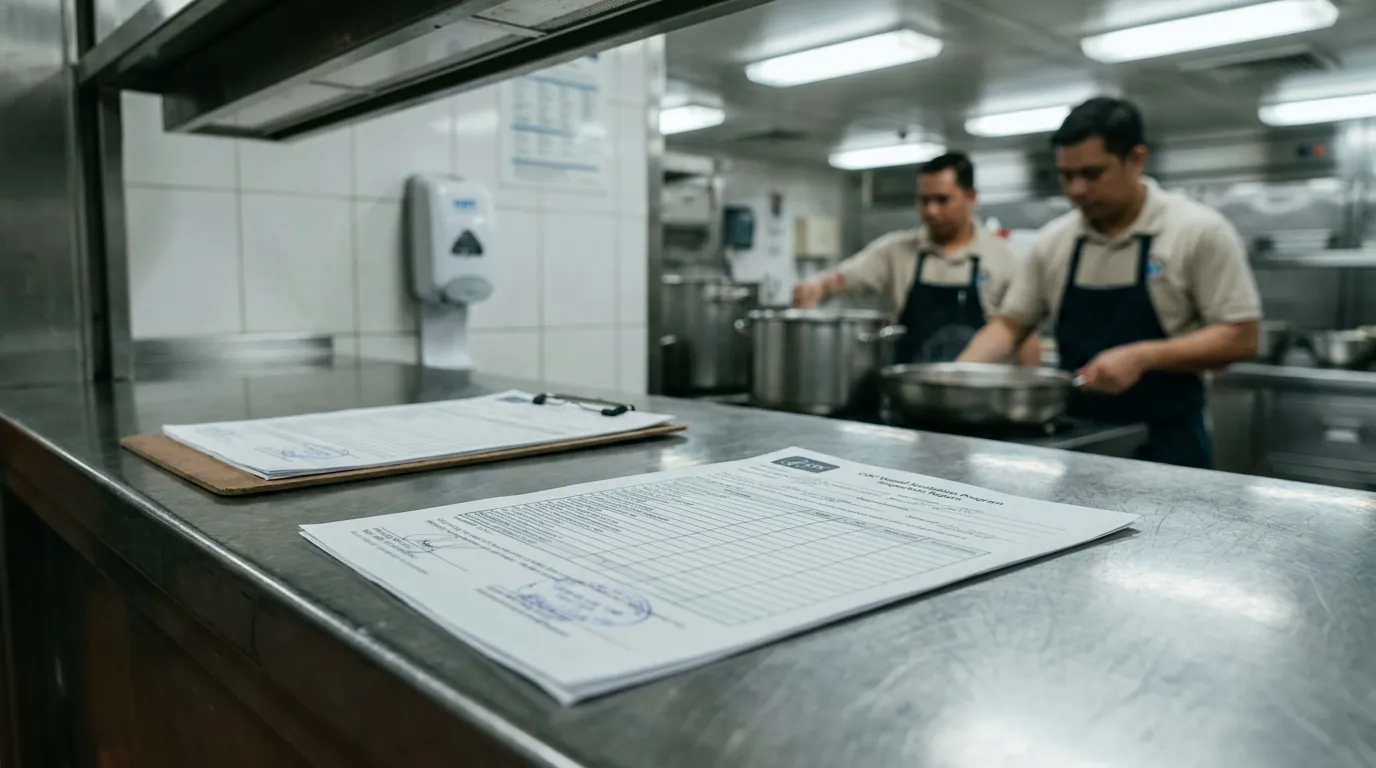
The score reflects how well a ship operates and maintains sanitation standards under federal guidance. VSP inspectors conduct operational sanitation inspections that determine how effectively a ship keeps up with health requirements. The purpose is public health focused, the CDC Vessel Sanitation Program helps the cruise industry prevent and control gastrointestinal illnesses, such as norovirus, aboard ships.
These inspections are unannounced and happen roughly twice per year. Because crews receive no advance warning, the resulting score reflects everyday conditions rather than staged presentation. Inspectors focus on water supply, pools and spas, food handling and storage, and contamination risk. A strong cruise sanitation score in Florida suggests consistent compliance, though no single number guarantees an outbreak won’t occur.
How Inspectors Evaluate a Cruise Ship
A vessel sanitation inspection covers far more than the kitchen. Inspectors review a broad range of systems and spaces to assess whether a ship protects everyone’s health aboard. The following areas are commonly evaluated during a cruise ship health inspection.
Water, Food, and Environmental Systems
Water and food systems sit at the center of every inspection. Evaluators examine water systems, food handling, food storage, and ventilation, because these areas most often lead to contamination-related illness. According to a peer-reviewed norovirus study assessing 56 vessels over three years, environmental hygiene conditions aboard cruise ships are objectively linked to gastrointestinal outbreak risk. That research helps explain why federal sanitation evaluations matter to Miami passengers.
Common Areas and Medical Facilities
Inspectors also assess spaces where passengers gather and receive care. They check ventilation systems, common areas, child activity centers, and medical facilities. Pool and spa conditions receive particular attention because standing water can harbor bacteria and viruses.
Cleanliness and Staff Hygiene
Overall cleanliness and ship condition carry significant weight. Inspectors review the general upkeep and the hygiene practices of staff who prepare food and serve guests. Poor staff hygiene can undermine even a well-maintained galley, substantially raising foodborne illness outbreak risk.
Reading a cdc vessel sanitation program score
Interpreting a cdc vessel sanitation program score becomes easier once you understand the scale and thresholds. The CDC scores ships from 0 to 100, with the passing line at 86. Ships below the satisfactory threshold must submit corrective action documentation and may face re-inspection, generally within 30 to 45 days.
| Score Range | Status | Typical Consequence |
|---|---|---|
| 86 to 100 | Satisfactory | No corrective action required |
| 85 or below | Failing | Corrective documentation and possible re-inspection |
The CDC publicly posts all inspection scores and reports. These records include specific violations found and how each ship addressed them, so passengers can review details behind a number rather than relying on the score alone.
You can verify a specific ship before you sail using the CDC’s public database. The inspection query tool lets you search by ship name and view the most recent inspection report, including the date, score, and specific violations. For Miami cruisers, this is a practical way to confirm a ship’s sanitation status and spot red flags.
💡 Pro Tip: Take a screenshot of a ship’s inspection report before you board. If you later fall ill, a dated record of pre-existing violations can help document the ship’s condition at the time of your voyage.
Why Sanitation Scores Matter for Miami Cruise Passengers
A low sanitation score can signal conditions that put passengers at real risk. Miami is one of the busiest cruise gateways in the country. A vessel with repeated violations may reflect systemic problems in food safety, water quality, or housekeeping. While a passing score is reassuring, it doesn’t eliminate every hazard, and outbreaks can still occur even on well-rated ships.
These scores can also become relevant if you pursue a cruise illness claim in Miami. Documented violations may help demonstrate that a cruise line knew, or should have known, about hazardous conditions. Proving negligence under maritime law often depends on showing the operator breached its duty to maintain a reasonably safe environment. Our discussion of whether a cruise line is liable for food poisoning under maritime law offers helpful context.
Legal Options When Poor Sanitation Causes Illness
Passengers who become ill because of unsafe conditions may have legal rights under maritime law. To recover compensation, an injured passenger generally must establish four elements: duty of care, breach of that duty, causation, and measurable damages. Sanitation records, medical documentation, and witness accounts can support these elements, though outcomes depend on specific facts.
Timing is one of the most important issues in cruise injury cases. Federal law under 46 U.S.C. § 30526 bars cruise lines from limiting a passenger’s time to sue for personal injury or death to less than one year, and many passenger tickets set that filing deadline at exactly one year. Courts interpret these contractual deadlines strictly, and exceptions such as tolling apply only in limited circumstances. Because these deadlines can be much shorter than typical Florida personal injury limits, prompt action is essential to preserving Florida cruise passenger rights.
Preserving evidence early strengthens any potential claim. Practical steps include:
- Seek medical care promptly and keep copies of every record and diagnosis.
- Report the illness to the ship’s medical staff and request written documentation.
- Photograph unsanitary conditions, spoiled food, or hazards when safe to do so.
- Save your booking documents, ticket contract, and communications with the cruise line.
Because maritime and Florida law can be complex, working with a knowledgeable legal team is often worthwhile. A Miami cruise injury lawyer can review your ticket contract, gather inspection records, and evaluate whether cruise negligence in Miami contributed to your illness. Every case turns on its own facts, and an early review helps avoid missing critical deadlines.
Frequently Asked Questions
-
What is a passing CDC vessel sanitation program score?
A passing score is 86 or higher on the CDC’s 100-point scale. Ships scoring 85 or below are failing and must submit corrective action documentation. Those vessels may also face re-inspection, often within 30 to 45 days.
-
How often are cruise ships inspected?
Cruise ships calling on U.S. ports are generally inspected about twice per year. These inspections are unannounced, so the resulting cruise sanitation score in Florida reflects routine conditions.
-
Where can I check a ship’s sanitation record before a Miami cruise?
You can review a ship’s record through the CDC’s public inspection tools. The database allows you to search by ship name and view the most recent report, including date, score, and violations. The CDC also publishes corrective reports showing how ships addressed problems.
-
Can I file a claim if I got sick on a cruise from Miami?
You may pursue a cruise illness claim in Miami if negligence caused your illness. Success depends on proving duty, breach, causation, and damages under maritime law. Because ticket contracts often impose a one-year filing deadline, acting quickly is important.
-
Does a passing score mean the ship is completely safe?
No, a passing score doesn’t guarantee a ship is free of all hazards. Outbreaks such as norovirus can still occur even aboard vessels with satisfactory ratings. A score is one useful indicator among many, not an absolute assurance of safety.
Protecting Your Health and Your Rights on the Water
Understanding a cdc vessel sanitation program score gives Miami cruise passengers a practical tool for evaluating risk before they board. The score reflects unannounced inspections of water systems, food handling, common areas, medical facilities, and staff hygiene, revealing patterns that matter to your safety. When a cruise line fails to maintain reasonable sanitation and passengers fall ill, documented violations and prompt medical records may support a claim under maritime law. Because filing deadlines are often short and interpreted strictly, timely action protects both your recovery and your rights.
If you became ill or were injured on a cruise, the team at Chalik & Chalik Injury Lawyers is ready to listen and explain your options. Call us at 954-476-1000 or send us a message online to discuss what happened during your voyage. Every case is different, and an early conversation can help you understand the path forward.
 What Is a Forum Selection Clause in a Miami Cruise Case?
What Is a Forum Selection Clause in a Miami Cruise Case? When you purchase a cruise ticket, you’re entering into a complex legal contract that dictates where you can file a lawsuit if something goes wrong. Hidden in the fine print is a forum selection clause, a provision that can dramatically impact your legal rights...

Missing a cruise injury deadline in Florida can mean losing your right to compensation entirely. Cruise ship accidents fall under maritime (admiralty) law, which operates differently from standard personal injury claims on land. While the normal statute of limitations for admiralty matters is three years, cruise ticket contracts frequently reduce this to one year. If...

Your Rights as an Injured Cruise Ship Crew Member Start with a Cruise Ship Accident Attorney in Ft Lauderdale When you work aboard a cruise ship departing from Fort Lauderdale’s Port Everglades, suffering an injury can leave you uncertain about your rights. Unlike passengers, crew members face complex maritime laws determining how they seek compensation....

When Paradise Turns Painful: Understanding Cruise Ship Accident Attorney in Miami Options PortMiami processes over 8.5 million cruise passengers annually, making it one of the world’s busiest cruise ports, though Port Canaveral currently holds the title of busiest with 8.6 million passengers in fiscal year 2025. With such high passenger volume, slip and fall incidents...