
Understanding Landlord Responsibility After a Fall at Your Apartment
Key Takeaways:A landlord may be liable when a tenant slips and falls in a Ft Lauderdale apartment if the fall came from a hazard the landlord had a legal duty to fix or prevent, such as broken stairs, damaged floors, or unsafe common areas. Under Fla. Stat. § 83.51, landlords must follow building codes, keep structural parts in good repair, and keep common areas in multi-unit buildings reasonably clean and safe, unless the parties agreed otherwise in writing. In apartment complexes, landlords generally cannot shift code compliance and structural repair duties to tenants through the lease. A landlord is generally not responsible under that section for hazards caused by the tenant, the tenant’s family, or guests. Under Florida’s modified comparative negligence law, a tenant’s award is reduced by their share of fault, and a tenant found more than 50 percent at fault generally cannot recover. Most negligence claims must be filed within two years, so save photos, repair requests, and witness information right away.
When a tenant slips and falls in a Ft Lauderdale apartment, the landlord may be liable if the fall resulted from a hazard the landlord had a legal duty to fix or prevent. Florida law generally requires landlords to keep common areas in multi-unit buildings reasonably safe and to keep structural parts of the property in good repair. Liability usually depends on where the fall happened, what caused the hazard, whether the landlord knew or should have known about it, and whether the tenant was also partly at fault. If you were hurt on a broken stairwell, a wet pool deck, or a poorly maintained hallway, you may have the right to seek compensation for medical bills, lost wages, and pain.
You do not have to sort out these questions on your own. The legal team at Chalik & Chalik Injury Lawyers can review the facts of your fall and explain your options. Call 954-476-1000 or contact us now to schedule a free consultation.
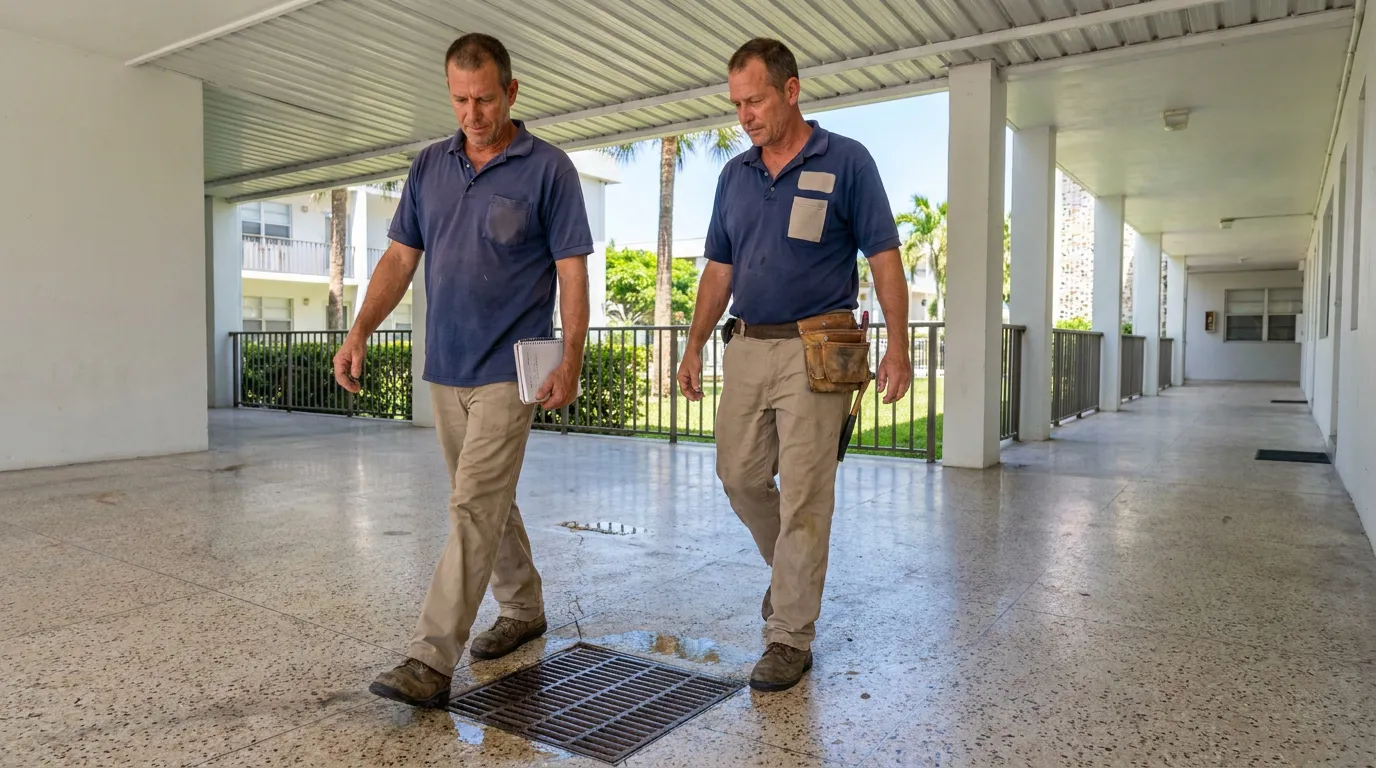
The Legal Duties Florida Landlords Owe Their Tenants
The Florida Residential Landlord and Tenant Act sets out specific maintenance duties for landlords. These duties are the starting point for any tenant slip and fall claim. General premises liability principles also apply: property owners must keep property reasonably safe and warn of hidden hazards they know or should know about.
Code Compliance and Structural Repairs
Under Fla. Stat. § 83.51(1)(a), a landlord must comply with applicable building, housing, and health codes at all times during the tenancy. Under § 83.51(1)(b), where no such codes apply, the landlord must keep roofs, windows, doors, floors, steps, porches, exterior walls, foundations, and other structural components in good repair. Broken floors, loose stair treads, and crumbling steps are common causes of falls, and a landlord who ignores them may face liability.
For apartment complexes, these core duties generally cannot be shifted to the tenant. Under Fla. Stat. § 83.51(1), a landlord may alter these obligations in writing only for a single-family home or duplex. If you rent in a multi-unit building, a lease clause making you responsible for structural repairs may not hold up.
Common Area Safety
Landlords of multi-unit buildings carry a separate duty to keep shared spaces clean and safe. Under Fla. Stat. § 83.51(2)(a)3, unless the parties agreed otherwise in writing, the landlord of a dwelling unit other than a single-family home or duplex must make reasonable provisions for the clean and safe condition of common areas at all times during the tenancy. You can read the full text of these Florida landlord-tenant laws on the Florida Senate website. Common areas often include:
- Hallways, lobbies, and breezeways
- Stairwells and elevators
- Pool decks and fitness rooms
- Parking lots, garages, and walkways
- Laundry rooms and mail areas
When Landlord Liability for Tenant Injuries Shifts or Shrinks
Landlord liability is not unlimited, and the cause of the hazard often decides the case. Insurers frequently argue that a tenant caused or contributed to the fall.
Hazards Created by the Tenant or Guests
Under Fla. Stat. § 83.51(4), the landlord is not responsible to the tenant under that section for conditions created or caused by the negligent or wrongful act or omission of the tenant, a member of the tenant’s family, or another person on the premises with the tenant’s consent. Fla. Stat. § 83.52 also requires tenants to keep their part of the premises clean and sanitary, keep plumbing fixtures in repair, use appliances reasonably, follow applicable codes, and not damage the landlord’s property. If a fall inside the unit came from a leak the tenant caused by misusing a fixture, liability may move toward the tenant.
That does not end the analysis in every case. A leak that started from aging pipes, a roof defect, or a problem the tenant reported and the landlord ignored may point back to the landlord. Repair requests, emails, and texts can become important evidence. If a guest or another resident got hurt in a rental space, you can learn more about slip and fall claims against tenants in a related article.
Comparative Fault Under Florida Law
Florida’s modified comparative negligence system can reduce or bar recovery if the injured tenant is found partly at fault. Fla. Stat. § 768.81 governs how fault is divided. After the 2023 tort reform law (HB 837), a plaintiff in a general negligence case found more than 50 percent at fault generally cannot recover damages. Medical negligence cases are an exception. A plaintiff found 50 percent or less at fault may still recover, but the award is reduced by their share of fault. Insurers often claim the tenant was distracted, wore improper footwear, or should have seen an obvious hazard.
Fla. Stat. § 768.81 also generally makes each defendant responsible only for its own share of fault. Fla. Stat. § 768.76 addresses collateral sources, such as certain insurance payments, which may reduce an award in some circumstances.
💡 Pro Tip: Insurers may raise the "open and obvious" argument. A visible hazard may not automatically excuse a landlord who failed to repair it, because the duty to maintain is generally treated as separate from the duty to warn.
Who May Be Responsible: A Quick Comparison
The location and cause of a fall often point toward the responsible party. Outcomes depend on the specific facts, including whether the landlord had notice of the hazard.
| Where/How the Fall Happened | Party Who May Be Liable | Relevant Statute |
|---|---|---|
| Broken stairs or floors in the building | Landlord | Fla. Stat. § 83.51(1) |
| Wet or debris-covered common area | Landlord | Fla. Stat. § 83.51(2)(a)3 |
| Spill or leak the tenant caused inside the unit | Tenant may bear fault | Fla. Stat. §§ 83.51(4), 83.52 |
| Hazard caused in part by both | Shared fault | Fla. Stat. § 768.81 |
Other parties may also share responsibility. Property management companies, maintenance contractors, and cleaning vendors may have helped create or ignore the hazard. Identifying every responsible party early can affect the total available compensation.
Building a Strong Ft Lauderdale Apartment Injury Claim
A successful premises liability claim generally requires proof of duty, breach, causation, and damages. You generally need evidence showing the landlord knew or should have known about the hazard and failed to act, and that the hazard caused your injuries.
Preserving Evidence Quickly
Evidence in apartment fall cases can disappear fast. Landlords may repair a broken step within days, and surveillance footage is often overwritten. Early steps can help protect your claim:
- Photograph the hazard, lighting, and surrounding area from several angles
- Save copies of repair requests, emails, and texts to management
- Collect names and contact details of neighbors or witnesses
- Request in writing that management preserve camera footage and maintenance logs
- Seek prompt medical care and keep every record and bill
💡 Pro Tip: Ask neighbors whether they also complained about the same hazard. Prior complaints may help show the landlord had notice.
Proving Notice and Causation
Showing that the landlord had notice of the hazard is often the central fight in a case. Maintenance logs, work orders, and inspection records may reveal how long a problem existed. In some cases, investigators or engineers may test flooring, lighting, or stair dimensions against applicable codes. A landlord liability for tenant injuries lawyer can help gather this evidence and respond to insurer arguments.
Deadlines That Could Affect Your Claim
In Florida, a negligence lawsuit generally must be filed within two years. Under Fla. Stat. § 95.11(5)(a), this limit applies to negligence actions, including most premises liability claims arising on or after March 24, 2023. Claims that accrued before that date generally kept the earlier four-year period. If a fall results in death, Fla. Stat. § 95.11(5)(e) generally requires a wrongful death action within two years of the death. The full Florida limitations statute is available online.
Exceptions exist but are limited. Florida’s tolling provisions in Fla. Stat. § 95.051 are narrow, so do not assume any extension will apply. Claims involving government-owned housing may also involve separate pre-suit notice requirements under Fla. Stat. § 768.28.
Frequently Asked Questions
1. Can my landlord avoid liability through a lease clause?
For apartment complexes, Fla. Stat. § 83.51(1) generally prevents landlords from shifting code compliance and structural repair duties to tenants. Common area duties under § 83.51(2)(a)3 may be changed by written agreement, so review lease terms carefully. Separately, Fla. Stat. § 83.47 makes unenforceable any lease provision that tries to limit the landlord’s liability for its own negligence.
2. What if I was partly at fault for my fall?
Under Fla. Stat. § 768.81, you may still recover damages if your share of fault is 50 percent or less, though your award would be reduced by that percentage. If you are found more than 50 percent at fault, recovery is generally barred.
3. Does the landlord’s duty differ for my guests?
Florida law distinguishes between invitees and licensees, which can affect the standard of care owed. Because the protections in § 83.51 run to the tenant, a guest’s claim usually relies on general premises liability law.
4. Is the landlord responsible for falls inside my unit?
It depends on the cause. A landlord may be liable for structural defects or code violations inside the unit, particularly if the landlord knew or should have known about them. Under Fla. Stat. § 83.51(4), however, the landlord is generally not responsible to the tenant for hazards the tenant, the tenant’s family, or guests created.
5. How long do I have to file a claim?
Under Fla. Stat. § 95.11(5)(a), most negligence claims arising on or after March 24, 2023, must be filed within two years. Exceptions are limited, so prompt action is important.
Protecting Your Rights After an Apartment Fall
Landlord liability in Ft Lauderdale often depends on where the fall happened, who created the hazard, and whether the landlord met its statutory duties. Comparative fault and tenant-created hazards can affect recovery. With a two-year filing deadline in most cases, preserving evidence and understanding your options early may make a meaningful difference.
If you were injured in a fall at your apartment complex, help is available.Chalik & Chalik Injury Lawyers can review your situation and explain your possible next steps. Call 954-476-1000 or reach out today to request your free consultation.
Disclaimer: This content is for informational purposes only and is not legal advice. Every case is unique, and results may vary. Consult an attorney about your specific circumstances.


 Can a Wet Terminal Floor Support a Fort Lauderdale Airport Slip and Fall Claim?
When a Slippery Terminal Floor Becomes a Legal Matter Key Takeaways: Yes, a wet terminal floor can support a Fort Lauderdale airport slip and fall claim when facts establish negligence. Travelers are generally invitees, so airports owe the highest duty to inspect for dangers, make repairs, and warn of hazards. The most contested issue is...

Tiger Woods is facing a slip-and-fall case filed by one of his former security guards, John Davis, who is also a retired police officer. While guarding Woods’ mansion in Jupiter Island, Florida on December 23, 2010, Davis slipped and fell on a marble walkway. As a result of the fall, Davis, who resides in Miami,...

Footwear can play an important role in slip and fall lawsuits. Florida’s liability system is based on comparative negligence, which means a jury can reduce an award by the extent the victim is deemed responsible for causing their injuries. While wearing certain types of footwear does not automatically make someone negligent, the defendant in a...
 How to Beat the Open and Obvious Defense After a Miami Store Fall
Why a Visible Hazard Does Not Automatically End Your Miami Store Fall Claim Key Takeaways: An adjuster’s "open and obvious" label is generally a defense argument, not a final ruling on your Miami store fall claim. Florida applies a two-duty framework: a hazard’s visibility may negate the duty to warn, but the separate duty to...

The cost of your medical bills and the financial value of your pain and suffering are two separate parts of an insurance claim or personal injury lawsuit. If you are injured in a car crash, trip and fall accident, or any other type of accident, you can collect compensation from the person responsible for the...

Often, Florida cities and municipalities are held responsible for the upkeep and maintenance of sidewalks and could, therefore, be liable for injuries and losses suffered by a victim in a slip and fall accident on a public sidewalk. If the public sidewalk is owned by a condo or homeowner association, then they would have the...

When accepting visitors onto the premises, property owners are held to a high duty of care to ensure that guests and visitors are not injured by hazardous conditions. For example, let’s say that a small child spilled their drink in a grocery store. The store should have workers continuously monitoring the premises to quickly address...

Slip and fall injuries can happen anywhere. Private and business property owners are both legally responsible for ensuring that their property is free from any kind of dangerous or hazardous conditions. Residential property owners must take reasonable precautions to prevent any visitors from harm when choosing to allow guests onto the premises. Slip and fall...