
Falling on City Property in Plantation: Why Sovereign Immunity Matters
Key Takeaways:Sovereign immunity means the City of Plantation generally cannot be sued without consent, but Florida Statute §768.28 provides a limited waiver allowing negligence claims against municipalities. To recover, you must connect your injury to a government employee’s negligence and, for slips on transitory substances, prove the property owner had actual or constructive knowledge of the hazard per §768.0755. Recovery is capped at $200,000 per person and $300,000 per incident, excluding punitive damages and pre-judgment interest; larger amounts require a legislative claim bill. Strict deadlines apply: written pre-suit notice within three years, a four-year bar against the government, and a two-year negligence limitations period for claims accruing on or after March 24, 2023. Private contractors maintaining city property may assert immunity if they acted as government agents. Because these rules can quickly end a valid claim, acting quickly and preserving evidence is essential.
When you slip and fall on property owned or maintained by the City of Plantation, sovereign immunity can shape everything about your claim. Sovereign immunity is the principle that government generally cannot be sued without consent. In Florida, that consent is limited and specific. The state and its subdivisions, including municipalities like Plantation, waive immunity for torts only to the extent specified in statute, and are liable as a private individual under like circumstances. You may be able to sue the city, but only within strict rules, deadlines, and dollar limits set by law.
If you were hurt on public property, the team at Chalik & Chalik Injury Lawyers can help you understand where you stand. Call us at 954-476-1000 or reach our team through our contact page to discuss what happened and what deadlines may be running.
Understanding 768.28 Sovereign Immunity Slip and Fall Rules
The entire framework for a government slip and fall in Florida flows from one statute. Florida’s sovereign immunity is governed by Florida Statute §768.28, which creates a limited waiver allowing tort claims against the state, its agencies, and subdivisions. This defines both your right to sue and the boundaries around that right.
Municipalities are not exempt from this framework. Under Fla. Stat. §768.28(2), "state agencies or subdivisions" include "counties and municipalities." A slip and fall against the city sits squarely within the sovereign immunity Plantation Florida analysis, and the same statutory conditions apply to Plantation that apply to the state.
The waiver is partial, not total, and that distinction controls your case. Florida partially waives sovereign immunity for tort liability, allowing negligence claims such as slip and falls against the state, its agencies, and subdivisions like cities, but only to the extent specified in statute. Because the waiver is limited, meeting every procedural requirement is essential. You can read the governing text in the 2020 version of Florida’s sovereign immunity statute to see how the Legislature framed these conditions.
What the Limited Waiver Actually Covers
Not every accident on public land creates a viable claim. The waiver applies to injuries caused by the negligent or wrongful act or omission of any employee of the agency or subdivision while acting within the scope of employment. You generally need to connect your injury to negligence by a government employee acting on the job, not merely to the fact that the fall happened on city property.
Slip-and-fall claims carry an added evidentiary hurdle. Under Fla. Stat. §768.0755(1), if a person slips and falls on a transitory foreign substance in a business establishment, the injured person must prove that the business establishment had actual or constructive knowledge of the dangerous condition and should have taken action to remedy it. While written for "business establishments," the underlying actual-or-constructive-knowledge standard reflects the general negligence proof required in transitory-substance cases. Constructive knowledge often turns on how long a hazard existed, making early evidence preservation critical.
Practical steps that strengthen a Plantation premises liability claim include:
- Photographing the hazard, lighting, and surrounding area
- Identifying witnesses and requesting surveillance footage before it’s overwritten
- Seeking prompt medical care and keeping records
- Noting any warning signs, spills, or maintenance activity observed
💡 Pro Tip: Surveillance video and maintenance logs are often the strongest proof of how long a hazard existed, but they can be erased within days. Sending a preservation request quickly may protect that evidence.
Damage Caps and the Legislative Claim Bill Process
Even a strong case against the city runs into a statutory ceiling on recovery. The statute caps damage recovery against government entities at $200,000 per person and $300,000 per incident, and amounts above that require a legislative claim bill to be paid. These caps apply regardless of injury severity. A claimant cannot recover more than $200,000 per person, or $300,000 total per incident, without a legislative claim bill, and punitive damages and pre-judgment interest are excluded.
A common misconception is that extra insurance held by the city raises these limits. It does not. A government entity’s purchase of insurance beyond the statutory caps does not waive its sovereign immunity defense or increase its liability limits. Because these limits and the claim bill process can be complex, review this guide to Florida sovereign immunity damage caps before deciding how to proceed.
| Limit | Amount |
|---|---|
| Per person | $200,000 |
| Per incident | $300,000 |
| Punitive damages | Excluded |
| Pre-judgment interest | Excluded |
| Recovery above caps | Only by legislative act |
Deadlines That Can End Your Claim Before It Starts
Timing is one of the most unforgiving parts of suing the city in Plantation. Two separate clocks run at once, and missing either can be fatal. First, a written pre-suit notice of claim is a mandatory condition precedent; a claimant must present the claim in writing to the appropriate agency within 3 years of the claim accruing, and the claim must be denied, or the agency must fail to make final disposition within 6 months, which is treated as a denial, before suit can be filed.
Second, a firm outer deadline governs when the lawsuit itself must be filed. A negligence claim against a city is forever barred unless a complaint is filed within 4 years after the claim accrues. However, the general negligence limitations period has tightened, and because the shorter period controls, it now sets the practical deadline. The negligence statute of limitations under §95.11 was reduced from four years to two years for causes of action accruing on or after March 24, 2023, meaning slip-and-fall plaintiffs in Plantation generally have only two years to sue.
Because these deadlines interact, reading them in isolation can be misleading. Fla. Stat. §95.11 is the controlling Florida statute governing time limits for civil actions other than recovery of real property, including negligence claims. You can review the current version of the general limitations statute for civil actions to see the reduced period. Courts interpret tolling and discovery exceptions narrowly, so it is unwise to assume any extension will apply.
When Contractors Try to Wear the Government’s Crown
Sometimes the party that maintained the property where you fell is not the city itself but a private company. In those situations, the immunity question does not always disappear. Sovereign immunity can extend beyond the government itself to private contractors, such as maintenance or security companies, that act primarily as an instrumentality or agent of the state, meaning a defendant maintaining city property might also assert immunity.
Whether a contractor truly qualifies for that protection is a fact-driven question. Florida courts apply a factual agency analysis to determine whether a contractor was truly acting as an agent of the governmental entity that hired it. The outcome depends on the specific relationship and degree of governmental control involved, and an ordinary independent contractor typically remains subject to suit. A helpful discussion of how courts scrutinize these claims appears in a Florida Bar Journal analysis of purported government agents and immunity.
If you are unsure whether the city, a contractor, or both may be responsible, working with a knowledgeable Plantation Florida slip and fall claim lawyer can help sort out who the proper defendants are.
Frequently Asked Questions
-
Can I actually sue the City of Plantation for a slip and fall?
Generally, yes, but only within the statutory waiver. Florida partially waives immunity under Fla. Stat. §768.28, allowing you to pursue a negligence claim if you satisfy notice, deadline, and proof requirements.
-
How much can I recover against the city?
Recovery is capped by statute. Limits are $200,000 per person and $300,000 per incident, with amounts above that payable only through a legislative claim bill. Punitive damages and pre-judgment interest are excluded.
-
What is the deadline to file a government slip and fall in Florida?
Multiple deadlines apply. Written notice of claim must be presented within three years, a negligence lawsuit is barred after four years against the government, and the general negligence period is now two years for claims accruing on or after March 24, 2023, which typically sets the effective deadline.
-
Does the city’s insurance mean I can recover more?
Usually not. Buying insurance above the caps does not waive immunity or raise liability limits, so statutory ceilings generally still control recovery.
-
What if a private company maintained the property?
That company may still claim immunity. If it acted as an instrumentality or agent of the government, courts apply a factual agency test to decide whether protection applies.
Protecting Your Rights After a Fall on Public Property
A slip and fall against the city sits at the intersection of premises liability and Florida sovereign immunity law. Between the limited waiver under 768.28 sovereign immunity slip and fall rules, the damage caps, the notice requirement, and the shortened negligence deadline, small missteps can close the door on an otherwise valid claim. This article is general information and not individualized legal advice.
If you were hurt on Plantation city property and want clarity on your deadlines and options, the team at Chalik & Chalik Injury Lawyers is ready to listen. Call us today at 954-476-1000 or start your free consultation online so you can act before the clock runs out.


 Does Florida’s Sovereign Immunity Cap Apply to Fort Lauderdale Airport Injuries?
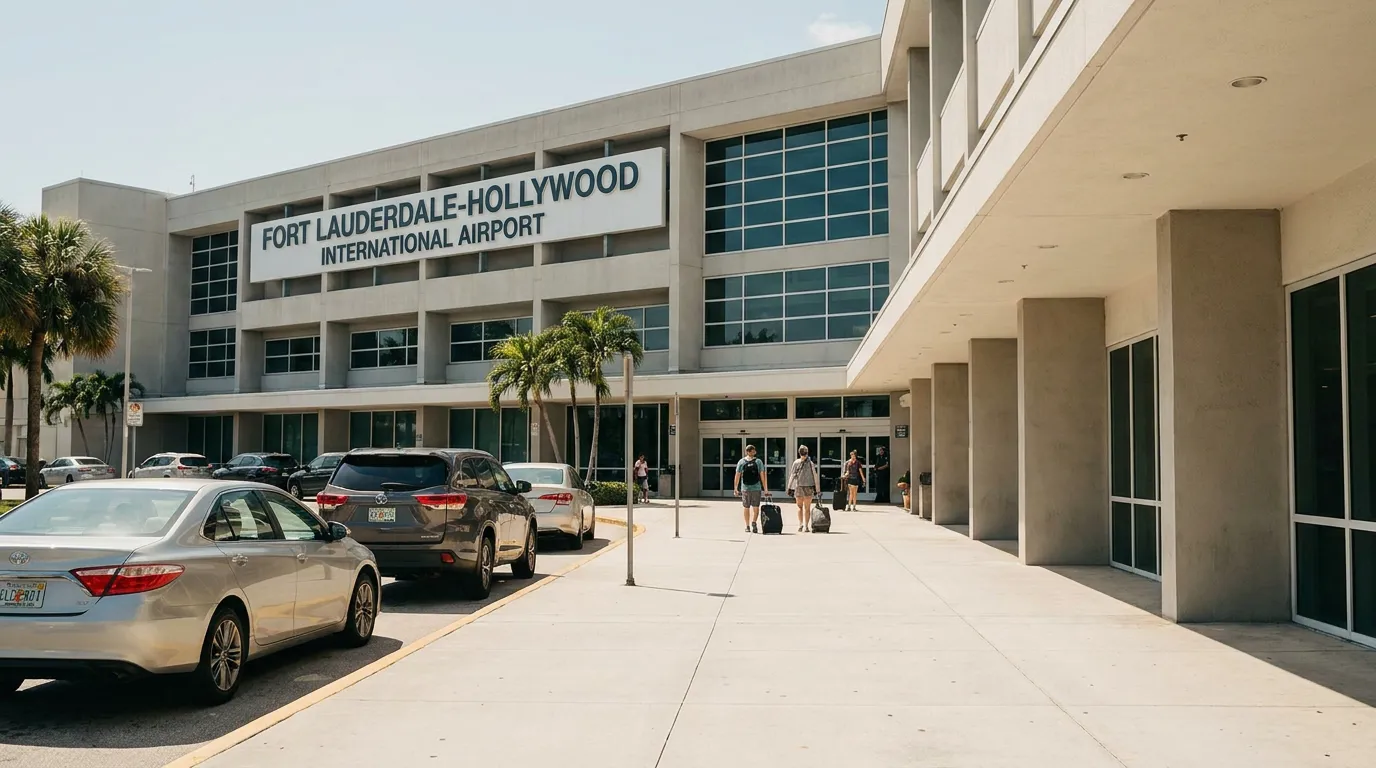
Understanding Government Liability at Fort Lauderdale-Hollywood International Airport Key Takeaways: Yes, Florida’s sovereign immunity cap applies to injuries at Fort Lauderdale-Hollywood International Airport because Broward County operates the facility. Under section 768.28, Florida Statutes, you can pursue a negligence claim against the county, but recovery is capped at $200,000 per person and $300,000 per incident....

How to Document Your Slip and Fall Injury After a slip-and-fall accident in a Florida grocery store, you need to remember some do’s and don’ts in order to protect your rights. Take a Picture of the Scene First, document your slip-and-fall accident. You may not have a pen and pencil with you, but you more...

What Is Florida’s Premises Liability Law for Slip and Falls? Florida’s premises liability law requires injured victims who slip on transitory foreign substances to prove the property owner had actual or constructive knowledge of the dangerous condition. This legal standard, codified in Florida Statute 768.0755, governs slip and fall claims throughout the state, including Ft...

Fall accidents send roughly 8.9 million people to the emergency room each year, according to the National Safety Council (NSC). As one of the leading causes of unintentional injuries, it’s important for everyone to know where the dangers lie and take the simple yet necessary precautions to prevent injuries. Common Places for Slip and Fall...
 How Can a Target Slip and Fall Lawyer in Florida Help You?
A slip and fall at Target can happen in seconds, then you’re left with pain, medical bills, missed work, and questions about what comes next. If you were hurt in a Target store, parking area, or entrance in Florida, the most important thing to know is this: these cases are evidence-driven. It’s not enough that...

If you were involved in a wet floor slip and fall accident, you should know that: If another party’s negligence caused your accident, you can seek compensation. You should collect any type of evidence possible to strengthen your case. Slip and fall accidents can cause severe injuries, so you should seek medical care right away....

In slip and fall accident cases, the state of Florida requires claimants to prove that the property owner did not take reasonable precautions to prevent their injury. Because many people do not have a working knowledge of premises liability laws, they elect to work with a personal injury lawyer. Some of the services that these...

What you do after a fall in a supermarket may affect your legal options, if the fall was the result of another’s negligence. The most important things to do after you slip and fall in a South Florida supermarket are to check yourself for injuries and protect a potential claim by reporting your accident. Protect...