
Understanding Fault When You Fall at a Cruise Buffet
Key Takeaways:A cruise line can be at fault for a buffet slip and fall in Miami, but liability requires proving negligence. Claims are typically governed by federal maritime law, which applies a reasonable care standard, though you must still establish duty, breach, causation, and damages, with notice (whether the crew knew or should have known about the hazard) often being the central dispute. Comparative fault reduces your recovery proportionally, though Florida’s 2023 modified comparative negligence law bars plaintiffs found more than 50 percent at fault, while pure comparative fault may apply under maritime law. Cruise lines may shift blame to nonparties if properly pleaded and proven. Strict filing deadlines are critical, with cruise ticket contracts and maritime law often imposing one-year limits and even shorter written notice requirements that can permanently end your claim. Preserving evidence quickly, seeking prompt medical care, and confirming your deadline are essential. Because these claims are fact-dependent and time-sensitive, guidance from an experienced cruise injury attorney can make a meaningful difference.
A cruise line can be at fault for a buffet slip and fall in Miami, but liability depends on proving that the cruise operator was negligent. Crowded buffets are common places for spills, dropped food, and wet tile, and when crew fails to clean or warn passengers about hazards, the cruise line may bear responsibility for resulting injuries. Because buffet falls aboard ships typically occur on navigable waters, federal maritime law usually governs and applies a standard of reasonable care; the outcome turns on what caused the fall, whether the crew knew or should have known about the danger, and how much care you exercised as a guest.
If you were hurt at a shipboard buffet, the team at Chalik & Chalik Injury Lawyers can help you understand your options. Call us at 954-476-1000 or reach out through our online case review form to discuss what happened.
How Cruise Line Liability Works Under Florida Law
Slip and fall injuries generally fall under premises liability, a body of law that holds property owners and occupiers accountable for unsafe conditions. A cruise line operating a buffet area functions like any business inviting the public onto its premises and must keep walking surfaces reasonably safe.
Florida law treats these injury claims as negligence actions under the state’s comparative fault statute. Under Fla. Stat. § 768.81(1)(c), "negligence action" includes civil actions for damages based on negligence, strict liability, products liability, professional malpractice, or breach of warranty. However, federal maritime law frequently governs injuries aboard ships in navigable waters, applying a "reasonable care under the circumstances" standard that can displace Florida’s premises liability framework and often shortens filing deadlines.
💡 Pro Tip: Read the fine print on your cruise ticket contract. It often sets a shorter deadline for filing suit and may require claims to be brought in a specific court, so review it carefully after any injury.
Proving the Cruise Line’s Negligence
To hold a cruise operator responsible, you must prove negligence through four connected elements. Each element requires evidence, and the strength of your claim often depends on how quickly that evidence is preserved.
Duty of Care and Breach
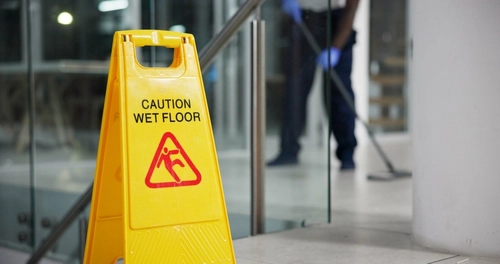
A cruise line generally owes passengers a duty to exercise reasonable care for their safety. In the buffet context, this includes cleaning up spills promptly, placing warning signs near wet floors, and inspecting high-traffic areas. A breach occurs when the operator falls short of that standard, such as leaving a puddle unattended long enough that a reasonable crew should have discovered it.
Causation and the Notice Question
Causation links the cruise line’s breach directly to your injury, and notice is frequently the central battleground. Under maritime law, passengers generally must prove the cruise line had actual or constructive notice of the hazard, that it knew or should have known about the danger. A common defense is that the operator did not know about the hazard and lacked reasonable opportunity to remedy it. Overcoming this argument often depends on evidence showing how long a spill existed or that crew members walked past it.
Damages You May Recover
Damages represent the measurable harm you suffered, and without them a negligence claim cannot succeed. These may include medical bills, lost income, and compensation for pain and suffering. Documenting your injuries early through medical records and photographs helps connect the fall to the losses you are claiming.
💡 Pro Tip: Photograph the exact spot where you fell, including any liquid, dropped food, or missing warning signs, before crew members clean the area. This visual evidence can be difficult to recreate later.
When the Cruise Line Blames You or Someone Else
Florida follows a modified comparative fault system, meaning your own carelessness reduces your recovery rather than automatically eliminating it, though following a 2023 amendment, a plaintiff found more than 50 percent at fault is barred from recovering. When general maritime law governs, courts instead apply pure comparative fault, under which even a largely at-fault passenger may still recover a reduced amount. In practical terms, a passenger who was texting while walking may still recover if their fault is 50 percent or less, though the award is reduced by that percentage; under Florida’s modified system, being found more than half at fault bars recovery entirely.
A cruise line may also try to shift blame to a nonparty, such as an outside contractor or vendor. Under Fla. Stat. § 768.81(3)(a), a defendant must affirmatively plead the fault of a nonparty and prove at trial, by a preponderance of the evidence, the fault of the nonparty in causing the plaintiff’s injuries.
How fault is divided also affects what a cruise line ultimately pays. Under Florida law, courts enter judgment against each party based on their percentage of fault, not on joint and several liability. You can review the full text of Florida’s comparative fault statute to see how apportionment works.
| Party’s Role | Effect on the Claim |
|---|---|
| Cruise line found partly at fault | Pays only its assigned percentage of fault |
| Injured passenger partly at fault | Recovery reduced by their percentage |
| Nonparty (contractor) blamed | Fault counts only if pleaded and proven |
For a closer look at how these principles play out in a neighboring port city, our discussion of cruise line liability for slip-and-fall injuries offers additional context.
Deadlines That Can Make or Break Your Claim
Every injury claim is governed by a filing deadline, and missing it can permanently end your ability to recover. Florida’s statute, Fla. Stat. § 95.11 (2024), governs "Limitations other than for the recovery of real property," and recent amendments have shortened the deadline for most negligence claims accruing after March 24, 2023, from four years to two years. Failing to file within that window will almost certainly prevent you from recovering any compensation.
Cruise claims add complexity because contracts and maritime law can impose even shorter deadlines. Many cruise tickets require passengers to file suit within one year and provide written notice of the claim even sooner, often within six months, which is far shorter than typical state deadlines. Courts interpret extensions such as tolling narrowly, and these exceptions apply only in limited circumstances, so you should not assume additional time is available. Confirming your deadline early is essential.
💡 Pro Tip: Do not wait to seek medical care after a fall, even if you feel only mildly sore. A prompt medical visit both protects your health and creates a record connecting your injuries to the incident.
Working With a Cruise Ship Slip and Fall Attorney Miami Passengers Trust
Handling a cruise injury claim involves overlapping legal systems, tight deadlines, and defenses designed to minimize payouts, which is why guidance matters. A cruise ship slip and fall attorney Miami passengers rely on can help gather incident reports, preserve surveillance footage before it is overwritten, and evaluate how comparative fault might affect your recovery. Working with a knowledgeable Miami cruise injury lawyer early often makes a meaningful difference.
For readers who want a broader overview of premises liability principles, this Justia resource on slip and fall accident claims explains the foundational concepts. If you want to speak with a team recognized for handling cruise line liability Miami matters, our Miami cruise accident attorney page describes how we assist injured passengers.
When preserving your claim after a buffet fall, consider taking these steps:
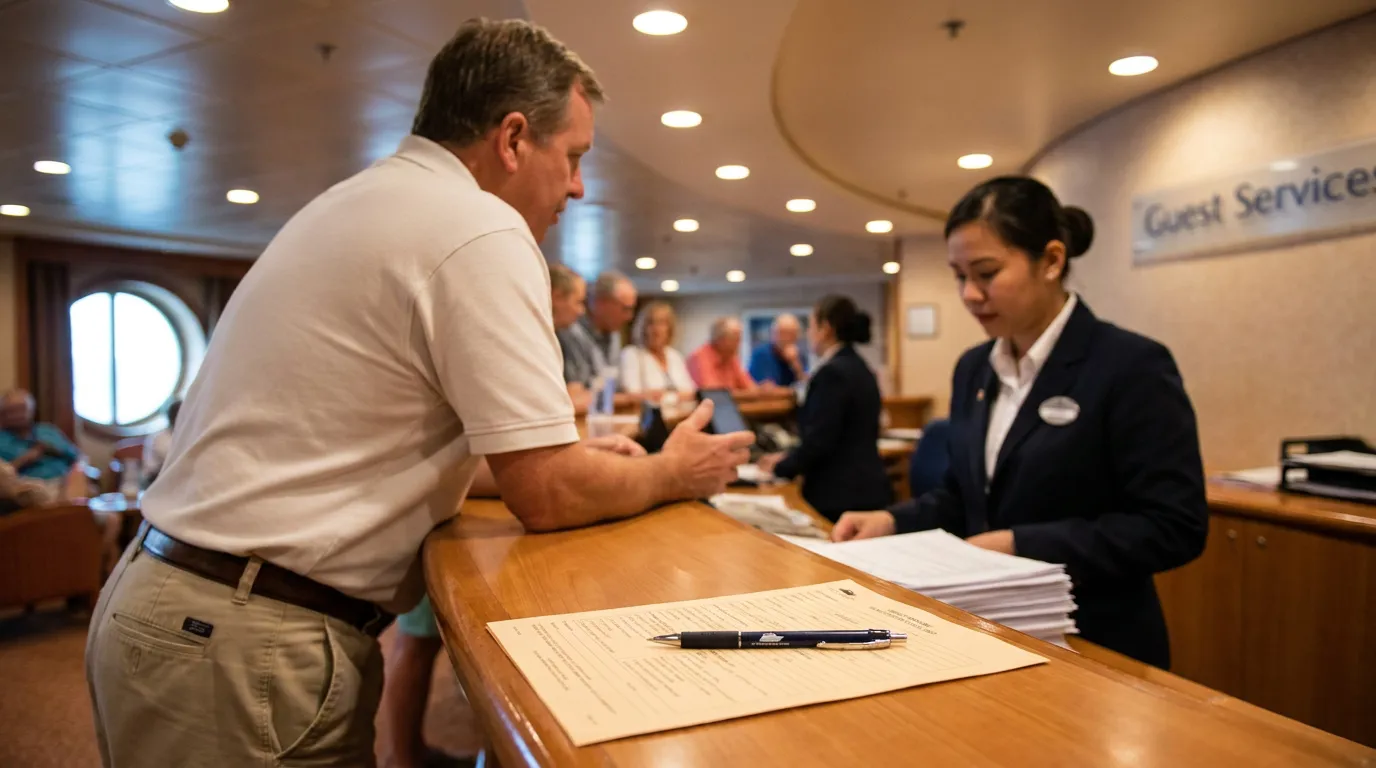
- Report the fall to guest services and request a written incident report
- Save your ticket contract, boarding documents, and any photos
- Keep all medical records and receipts related to your injuries
- Note the names of crew members and any witnesses nearby
Frequently Asked Questions
1. Is the cruise line always responsible if I slip at the buffet?
No. Liability depends on proving negligence, and a cruise line may avoid responsibility if it had no notice of the hazard and no reasonable chance to fix it.
2. Can I still recover if I was partly at fault?
In many cases, yes. Florida’s comparative fault rule reduces your recovery by your percentage of fault, as long as you are not found more than 50 percent at fault; different rules, including pure comparative fault, may apply if maritime law governs.
3. How long do I have to file a cruise slip and fall claim?
It varies. State deadlines may range from one to several years, but cruise tickets often impose a shorter contractual deadline, sometimes one year, with written notice due even earlier, so confirm your specific timeline promptly.
4. What evidence helps prove a wet floor cruise injury?
Photographs of the hazard, incident reports, surveillance footage, witness statements, and prompt medical records all help establish what happened and how long the danger existed.
5. What if a contractor, not the cruise line, caused the spill?
The cruise line may try to shift blame, but it must affirmatively plead and prove that nonparty’s fault by a preponderance of the evidence for it to count on the verdict form.
Protecting Your Right to Recover After a Buffet Fall
Whether a cruise line is at fault for a Miami buffet slip and fall comes down to negligence, notice, comparative fault, and strict filing deadlines. Both maritime and Florida law allow injured passengers to pursue reduced damages even when partly at fault, so long as, under Florida’s modified system, they are not found more than 50 percent at fault, but the cruise line will often argue lack of notice or point to a nonparty. Because these claims are fact-dependent and time-sensitive, acting quickly to preserve evidence and confirm your deadline can significantly protect your rights.
If you or a loved one suffered a slip and fall on a Florida cruise, do not wait to get answers. Reach out to Chalik & Chalik Injury Lawyers by calling 954-476-1000 or by completing our confidential contact form to discuss your situation and understand your options.
 Who Pays for Cruise Ship Slip and Fall Injuries in Miami?
When Paradise Turns Painful: Understanding Cruise Ship Accident Attorney in Miami Options PortMiami processes over 8.5 million cruise passengers annually, making it one of the world’s busiest cruise ports, though Port Canaveral currently holds the title of busiest with 8.6 million passengers in fiscal year 2025. With such high passenger volume, slip and fall incidents...
 Is a Cruise Line Liable for Shore Excursion Injuries in Florida?
Is a Cruise Line Liable for Shore Excursion Injuries in Florida? Shore excursions are popular features of cruise vacations, but they carry real risks. When a passenger suffers an injury during a port-of-call activity organized or sold by the cruise line, questions about legal liability arise. Florida, home to the world’s busiest cruise ports including...

Understanding Cruise Line Liability After an Injury at Sea Key Takeaways: When injured aboard a cruise ship sailing from Port Everglades, multiple parties may share legal responsibility, including the vessel’s owner, charterer, operator, ticket-selling agent, and individual officers under federal maritime statutes like 46 U.S.C. §30102, §30501, and §30103. Under federal maritime law, cruise lines...
 Can a Low CDC Sanitation Score Support a Ft Lauderdale Cruise Illness Claim?
What a Cruise Ship Inspection Report Can Reveal About Your Illness Key Takeaways: A low CDC sanitation score can support a Ft. Lauderdale cruise illness claim, but rarely wins a case alone. Inspection scores and outbreak postings from the neutral CDC Vessel Sanitation Program help establish that a cruise line may have breached its duty...