
The ARC Inflator Problem Florida Drivers Still Face
Key Takeaways:Millions of ARC airbag inflators are still not recalled in 2026 because NHTSA and ARC have spent years fighting over whether a defect exists and who must fix it. That fight does not mean the inflators are safe. NHTSA’s 2023 initial decision said welding debris can block an inflator’s exit orifice and cause the housing to rupture, sending shrapnel into the cabin. About 52 million inflators in vehicles from 2000 through early 2018 are at issue, and only some automakers, such as BMW, GM, and Volkswagen, have issued limited recalls. Under Florida law, injured people may have claims against the inflator maker, the automaker, and other parties, with fault potentially split under comparative fault rules. Florida’s 4-year product liability deadline, 2-year negligence and wrongful death deadlines, and 12-year statute of repose generally keep running during the recall dispute, so drivers should check their VINs often and act quickly after an injury.
As of fall 2026, millions of ARC airbag inflators remain on the road without a full recall, mainly because federal regulators and the manufacturer have spent years disputing whether a defect exists and who must fix it. In an initial decision issued in September 2023, NHTSA concluded that ARC’s inflators have a safety defect: welding debris from manufacturing can block an exit orifice inside the inflator body, causing catastrophic pressure buildup that ruptures the housing and sends shrapnel into the cabin. ARC pushed back, and in December 2024, NHTSA declined to issue a recall of almost 60 million inflators made by ARC Automotive, deciding more investigation was necessary. For Fort Lauderdale drivers, a part designed to protect you could cause serious harm in a crash, and Florida’s filing deadlines generally keep running in the meantime.
If you or a loved one was hurt by a ruptured airbag, the attorneys at Chalik & Chalik Injury Lawyers can review what happened and explain your options. Call 954-476-1000 or contact us now to schedule a free consultation.
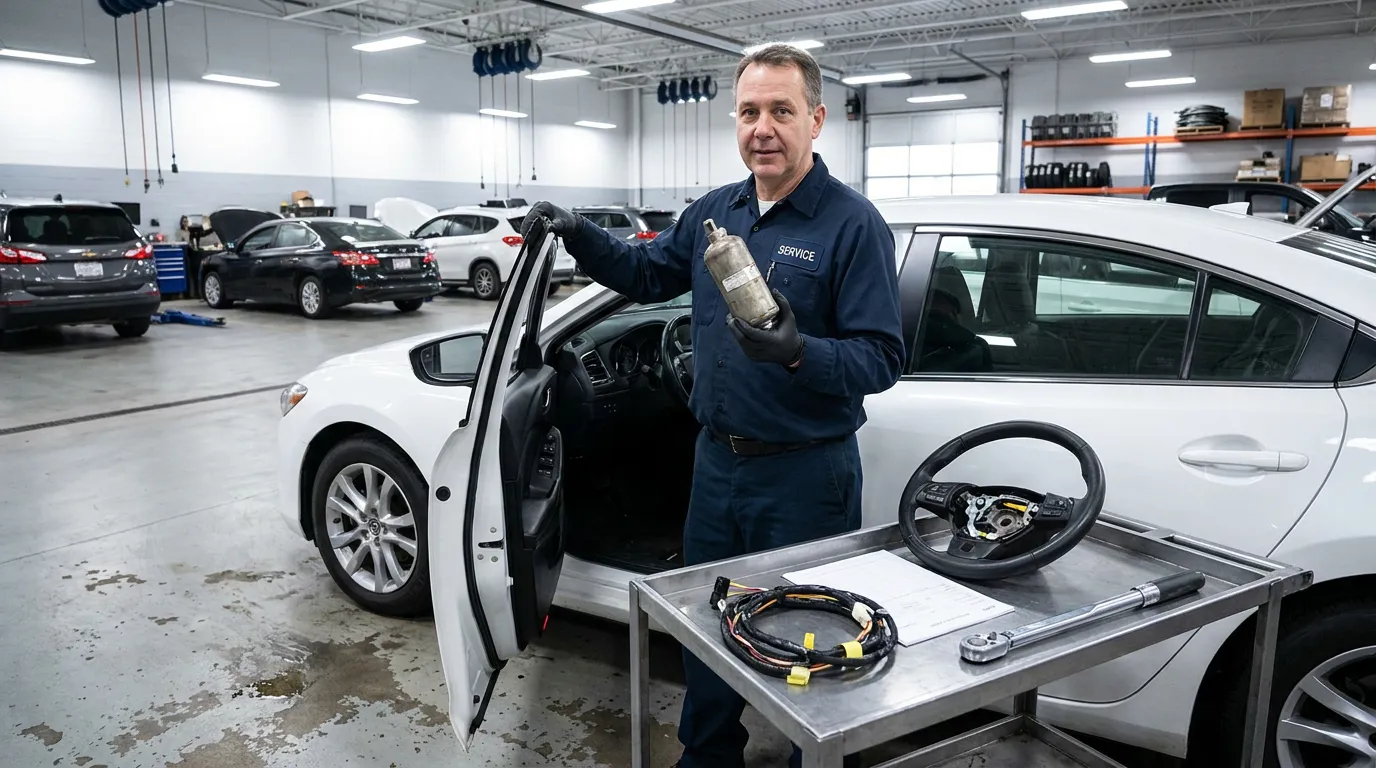
How the Recall Fight Stalled
The delay comes from a regulatory standoff, not from any finding that the inflators are safe. Regulators asked ARC in April 2023 to recall the inflators, but the company refused, setting the stage for a possible court fight. ARC has argued that the federal safety act protects against unreasonable risks and "does not require vehicles and equipment to never experience a failure in the field." Hearings, supplemental decisions, and extended comment periods have added months or years.
Where the ARC Airbag Recall Status Stands in 2026
The ARC airbag recall status in 2026 is still unresolved at the inflator-manufacturer level. One industry observer noted that in April 2026, NHTSA issued its first mandatory recall order in decades, but it targeted 12 aftermarket airbag inflators from a Chinese company. The same source reported that 52 million domestic ARC inflators remain unrecalled after three years. Developments could change quickly, so check your vehicle often.
Which Vehicles May Be Affected
The 52 million ARC inflators at issue span nearly two decades of production and many popular brands. According to reports, these inflators were used in vehicles from 2000 through early 2018 produced by 12 automakers, including General Motors, Ford Motor, Stellantis, Tesla, Toyota Motor, and Volkswagen. Some automakers have acted on their own, though their recalls cover only certain vehicles. BMW, General Motors and Volkswagen have all initiated recalls for defective ARC inflators. You can learn how to look up your vehicle using the NHTSA VIN recall search tool.
💡 Pro Tip: Search your VIN again every few months. A vehicle that shows "no open recalls" today could appear in an automaker recall later.
What Happens in an ARC Airbag Inflator Rupture
In a rupture, the metal canister can burst apart instead of filling the airbag with gas. NHTSA has said shrapnel injuries can be gruesome, and the inflators pose an unreasonable risk of serious injury or death. A low-speed fender bender on Federal Highway or I-95 could leave someone with injuries far worse than the crash itself would have caused.
Victims often suffer injuries that look different from typical crash injuries. Common harms may include:
- Deep cuts or puncture wounds to the face, neck, or chest
- Eye injuries or vision loss from metal fragments
- Injuries to major blood vessels
- Fatal injuries, even in moderate collisions
These injury patterns can help show that a defective inflator, and not only the crash, caused the harm. Medical records, imaging showing metal fragments, and the vehicle itself can be key evidence. If you can, preserve the vehicle and airbag parts, because an insurer may try to have the car salvaged quickly.
Who May Be Responsible Under Florida Law
Florida law may allow injured people to bring claims against the inflator maker, the automaker, and other parties in the chain of distribution. Under Fla. Stat. § 768.81(1)(d), a products liability action includes claims based on strict liability, negligence, or breach of warranty, among other theories. That definition also covers claims that injuries were greater than they would have been without a defective product. These enhanced-injury, or crashworthiness, claims may fit ARC cases closely.
Sharing Fault Among Several Parties
Florida courts may apportion fault among multiple defendants, such as ARC, an automaker, and a negligent driver. Under Fla. Stat. § 768.81(3), Florida’s comparative fault statute generally divides fault based on each party’s share of responsibility. Under Fla. Stat. § 768.81(2), any fault assigned to you generally reduces your damages proportionately. Under Fla. Stat. § 768.81(6), a claimant found more than 50% at fault generally cannot recover in a negligence action, a bar that may also reach product liability claims. Insurers and manufacturers often argue that the crash, not the inflator, caused the injury, so careful proof of causation matters.
Proving a Negligence-Based Claim
A negligence claim generally requires proof of duty, breach, causation, and damages. In an ARC case, that could mean showing a manufacturer owed a duty to use reasonable care in designing and making inflators, failed to do so, and caused your injuries. A strict liability claim focuses instead on whether the product was defective and unreasonably dangerous when it left the manufacturer, and whether that defect caused the harm. It does not require proof of carelessness.
Florida Filing Deadlines for Airbag Injury Claims
Florida sets different deadlines depending on the type of claim, and missing one could bar recovery. The rules appear in Florida’s limitations statutes, and they can overlap in a single crash. Because negligence claims generally carry a 2-year deadline, defendants may argue that negligence-based product claims are also limited to 2 years. Filing early is safest.
| Claim Type | General Deadline | Statute |
|---|---|---|
| Product liability injury claim | 4 years, from discovery | Fla. Stat. §§ 95.11(3)(d), 95.031(2)(b) |
| Fraud-based claim | 4 years from discovery, 12-year outer limit | Fla. Stat. §§ 95.11(3)(j), 95.031(2)(a) |
| General negligence (e.g., at-fault driver) | 2 years | Fla. Stat. § 95.11(5)(a) |
| Wrongful death | 2 years from date of death | Fla. Stat. § 95.11(5)(e) |
Florida’s discovery rule may delay when the product liability clock starts. Under Fla. Stat. § 95.031(2)(b), the period runs from when the facts giving rise to the claim were discovered, or should have been discovered with due diligence. Courts apply this rule narrowly, though, and in a crash with obvious injuries the clock may start on the date of the crash.
The 12-Year Statute of Repose
Florida’s statute of repose can bar product claims even when the regular deadline has not passed. Under Fla. Stat. § 95.031(2)(b), no products liability action may be brought for harm from a product with an expected useful life of 10 years or less if the harm occurred more than 12 years after delivery to the first purchaser or lessee. The presumption can sometimes be rebutted with evidence of a longer useful life. Because ARC inflators went into vehicles built from 2000 through early 2018, many are already more than 12 years past first sale, and the rest are getting close.
Limited exceptions may apply, but courts read them strictly. Under Fla. Stat. § 95.031(2)(c), repose generally does not bar a claim if the harm came from exposure to or use of the product within the repose period, even though the injury appeared later. Under Fla. Stat. § 95.031(2)(d), the period may be tolled while the manufacturer’s officers, directors, partners, or managing agents knew of the defect and took affirmative steps to conceal it. Such a claim must be pleaded with specificity.
💡 Pro Tip: Federal recall paperwork and NHTSA administrative proceedings are separate from a civil lawsuit. A pending recall decision generally does not pause Florida’s filing deadlines.
Replacement Parts Carry Their Own Risks
Unrecalled vehicles create pressure to buy replacement airbags, and that market has its own dangers. Fla. Stat. § 860.146 makes it a crime to knowingly install or reinstall a counterfeit, previously deployed, or non-functional airbag. If a repair shop installed a bad part in your car, that shop could also share responsibility for your injuries. Use a dealership or reputable shop and keep your repair receipts.
Frequently Asked Questions
1. Has ARC recalled its inflators in 2026?
ARC has not issued a full-scale recall as of this writing. Some automakers have recalled specific vehicles, so check your VIN regularly.
2. Can I sue if my car was never recalled?
Possibly. A lack of recall does not by itself prevent a product liability claim, and the outcome depends on the evidence and deadlines in your case.
3. How long do I have to file in Florida?
Product liability injury claims generally carry a 4-year deadline, while wrongful death and general negligence claims generally carry 2 years. Negligence-based product claims may face the shorter deadline, and the 12-year repose period may also apply.
4. What if I was partly at fault for the crash?
Your recovery may be reduced by your percentage of fault. If you are found more than 50% at fault, you generally cannot recover in a negligence action.
5. What evidence should I keep?
Keep the vehicle, airbag parts, photographs, medical records, and any recall letters. Avoid giving recorded statements to insurers before getting legal guidance.
Protecting Your Rights While the Recall Debate Continues
The ARC recall fight may continue for some time, but Florida’s legal deadlines generally will not wait for it. Millions of inflators remain in vehicles, injured people may have claims against several parties, and the repose period is a real risk for owners of older cars. Getting your situation reviewed early can help preserve evidence and options.
If you were hurt by an ARC airbag inflator rupture, speak with an ARC airbag inflator rupture lawyer about your next steps. The team at Chalik & Chalik Injury Lawyers represents injured South Florida residents and their families. Call 954-476-1000 or reach out to our team today for a free consultation.
Disclaimer: This content is for informational purposes only and is not legal advice. Every case is unique, and results may vary. Consult an attorney about your specific circumstances.


Tires need to be in good repair and properly inflated in order to maintain their durability. Improperly inflated tires – both under- and over-inflated – can cause excess wear, maneuvering issues, and an increased risk of blowouts and crashing. Determining the Proper Pressure for Your Tires Before you check your tires’ pressure, you’ll need to...

Tires do not come with an expiration date in the way that food does, but they age and can become less effective or more dangerous after a certain number of years. Most manufacturers will tell you that the age of a tire is only one factor in determining its level of safety or usefulness. Other...
 Car Accidents Caused by Tire Failure
Car accidents are far too common but some can be prevented. According to safecar.gov, nearly 11,000 accidents a year are caused by tire failure. While some of these may be caused by aging tires, a car accident caused by tire failure could be the result of a defective tire offered for sale. Tire failure an...

Vehicle owners have always been burdened with the task of constantly monitoring air pressure in their tires, change a tire when flat, and some drivers may be at risk of experiencing a tire blowout while driving. The invention of a new tire, manufactured by Bridgestone, may change all that. However, tire problems may be here...