
With 37 Million Passengers Setting Sail, What Are Your Injury Rights in Miami?
Key Takeaways:Cruise ship injury claims fall under federal maritime law, which overrides Florida state personal injury rules. Passengers typically have only one year from injury date to file a lawsuit under their ticket contract, per 46 U.S.C. § 30526. Cruise lines must provide reasonable care, including safe vessel maintenance, adequate security, and competent medical staffing. Document injuries immediately onboard and preserve your ticket contract to protect your claim. A cruise ship accident attorney in Miami can help navigate strict deadlines and complex jurisdictional rules.
More than 37 million passengers boarded cruise ships in 2025, with a significant share launching from South Florida ports. Miami and Fort Lauderdale rank among the world’s busiest cruise hubs, and high passenger volume increases onboard injury risks from slip-and-fall accidents to illness outbreaks. If you or a family member suffered harm on a cruise, understanding your rights under maritime law is essential for pursuing fair compensation.
If you need guidance after a cruise ship injury, Chalik & Chalik Injury Lawyers is ready to help. Call 954-476-1000 or reach out to our team online for a case evaluation.
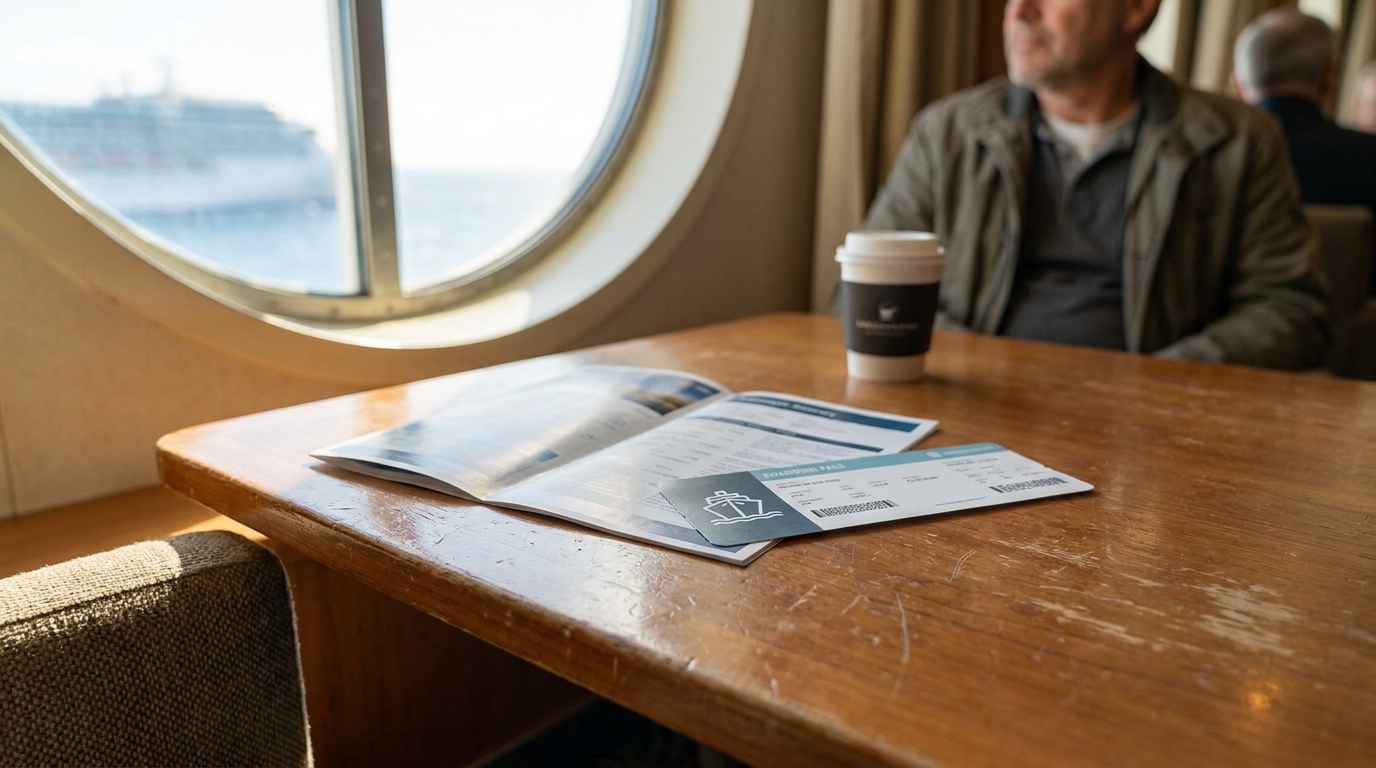
Why Maritime Law Governs Most Cruise Ship Injury Cases
Cruise ship accident claims follow different rules than typical Florida car crashes or premises liability cases. Federal admiralty law controls injuries on navigable waters and can preempt state personal injury statutes. Under the U.S. Constitution and 28 U.S.C. § 1333, federal courts have original jurisdiction over admiralty and maritime cases, including vessel injuries on navigable waters. Even if your cruise departed from Miami, federal maritime doctrine may shape your claim more than Florida tort law.
Maritime law carries distinct rules for liability, damages, and deadlines. Under 46 U.S.C. § 30102, vessel owners and masters are liable for passenger injuries caused by failing to comply with part B or F of subtitle II of title 46 (governing vessel inspection and regulation), or by known defects in the steaming apparatus or hull of the vessel. That liability, under 46 U.S.C. § 30102(b), is not subject to limitation under Chapter 305. Understanding this landscape early clarifies your options.
💡 Pro Tip: Your passenger ticket contract is a legal document, not just a receipt. It often contains forum-selection clauses requiring suit in a specific city, frequently Miami, with shortened deadlines. Read it carefully and keep it safe after any incident.
What Duties Does a Cruise Line Owe Its Passengers?
Cruise lines are common carriers owing passengers the ordinary ‘reasonable care under the circumstances’ standard. This duty encompasses maintaining a safe vessel, warning passengers of known dangers, providing adequate security, hiring and training competent crew, and offering adequate medical care onboard.
Proving Negligence in a Cruise Injury Claim
To pursue a cruise ship injury claim, a passenger must prove four elements: duty, breach, causation, and damages. You must show the cruise line owed you a duty of care, breached that duty, the breach caused your injury, and you suffered actual damages. Courts evaluate these elements under specific case facts.
Common Types of Cruise Ship Injuries
Injuries on cruise ships take many forms. Common scenarios include:
- Slip, trip, and fall accidents on wet decks or stairways
- Pool and water park injuries
- Onshore excursion incidents
- Onboard medical malpractice
- Illness outbreaks such as norovirus
- Assault or battery by crew or other passengers
- Falling objects and overboard incidents
Each incident involves different evidence requirements and potentially different responsible parties. If injured during a shore excursion, the cruise line’s liability may depend on its control over that activity. Learn more about injured cruise passenger rights to understand how these scenarios affect your claim.
💡 Pro Tip: If injured during a shore excursion, check whether the cruise line organized and marketed that activity. The cruise line’s involvement level significantly affects its responsibility for your injuries.
Critical Deadlines Every Cruise Passenger Should Know
Missing a filing deadline can permanently bar your claim, regardless of strength. Federal law under 46 U.S.C. § 30106 sets a general three-year statute of limitations for maritime personal injury or death actions. However, your passenger ticket contract can shorten that window considerably, and cruise lines routinely do so.
Under 46 U.S.C. § 30526, carriers operating seagoing vessels cannot contractually require notice of an injury or death claim in less than six months after the incident. They also cannot shorten the time to file a civil action to less than one year from injury or death date. Many cruise ticket contracts set these minimums as actual deadlines, giving passengers far less time than expected.
| Deadline Type | Federal Minimum Under 46 U.S.C. § 30526 | General Maritime Default |
|---|---|---|
| Notice of claim | Not less than 6 months after injury/death | Varies by contract |
| Filing a lawsuit | Not less than 1 year after injury/death | 3 years (46 U.S.C. § 30106) |
Tolling and Exceptions to Notice Requirements
Certain circumstances may extend or excuse these deadlines, but courts interpret exceptions narrowly. Under 46 U.S.C. § 30526(d), notice periods may be tolled for minors or individuals with mental incompetence, and in wrongful-death claims, until a legal representative is appointed or three years after injury or death, whichever comes first. Additionally, recovery may still be possible if the vessel owner had knowledge of the incident and wasn’t prejudiced by lack of notice, or if the passenger had a satisfactory reason for delay.
💡 Pro Tip: Don’t assume tolling or a discovery rule will save your claim if a deadline passes. These exceptions are fact-dependent and courts apply them in limited circumstances. Act as though the shortest contractual deadline applies and consult an attorney promptly.
What to Do Immediately After a Cruise Ship Accident
Actions taken following an onboard injury significantly affect your legal claim’s strength. A clear post-incident plan protects both your health and evidence.
- Seek onboard medical attention immediately and obtain copies of all medical records
- Report the incident to guest services or ship security and request a written report
- Document the scene with photos, videos, and notes about conditions
- Gather contact information from any witnesses
- Keep your passenger ticket contract and all related documents
Preserving evidence is critical because cruise ships are constantly cleaned, repaired, and repositioned. A hazard causing your fall may be corrected within hours. Without photos or witness statements, proving a dangerous condition existed becomes significantly harder.
💡 Pro Tip: Request a copy of the ship’s incident report before disembarking. Once you leave the vessel, obtaining internal cruise line documents typically requires formal legal discovery.
Wrongful Death on the High Seas: Special Damage Rules
When a passenger death occurs beyond three nautical miles from a U.S. shore, the Death on the High Seas Act (DOHSA) often governs the claim. DOHSA may limit recoverable damages largely to financial losses, such as lost income and support, and can bar non-economic damages like pain and suffering or family grief. This is crucial for families evaluating a cruise accident legal claim in Florida, as death location on the voyage route directly affects available compensation.
How Ticket Contracts Shape Legal Options
Beyond deadlines, passenger ticket contracts often dictate where you must file suit and what law applies. Many major cruise lines headquartered in Miami include forum-selection clauses requiring litigation in Miami-Dade County federal court. These contracts may also contain choice-of-law provisions affecting which legal standards apply. Courts generally uphold these clauses, making early review with qualified legal counsel essential.
💡 Pro Tip: The Jones Act (46 U.S.C. § 30104) provides separate protections for injured crew members, including the right to a jury trial. If you are a crew member rather than a passenger, your claim follows a different legal path with different deadlines.
Frequently Asked Questions
1. How long do I have to file a cruise ship injury lawsuit?
Under 46 U.S.C. § 30526, cruise lines cannot contractually shorten the filing deadline to less than one year from injury date. The general maritime statute of limitations under 46 U.S.C. § 30106 is three years, but most ticket contracts reduce this to one year. Missing either deadline may permanently bar your claim.
2. Does Florida law or federal law apply to my cruise injury?
Cruise ship injuries on navigable waters generally fall under federal maritime (admiralty) law, which can preempt Florida personal injury rules. Your ticket contract may also include a choice-of-law provision determining which legal standards govern your case.
3. What if I was injured during a shore excursion?
Liability depends on the cruise line’s level of control and involvement in organizing the activity. The cruise line may argue the excursion operator is an independent contractor. Your situation’s specific facts determine who may be held responsible.
4. Can I still recover compensation if I missed the notice deadline in my ticket contract?
Possibly. Under 46 U.S.C. § 30526(c), failure to give notice isn’t automatically fatal if the vessel owner already had knowledge and wasn’t prejudiced, if you had a satisfactory reason for delay, or if the owner fails to object. Courts evaluate these exceptions case-by-case.
5. What damages can I recover after a cruise ship injury?
Recoverable damages may include medical expenses, lost wages, pain and suffering, and other losses depending on circumstances. If death occurred on the high seas, DOHSA may restrict recovery to financial losses and bar non-economic damages. Each case’s specifics dictate available compensation.
Protecting Your Rights After a Cruise Ship Injury in Miami
With millions of passengers sailing from South Florida yearly, cruise ship injuries remain a serious concern. Maritime law imposes strict deadlines, unique jurisdictional rules, and damage limitations that differ significantly from standard Florida personal injury claims. Taking swift action to document injuries, preserve evidence, and understand ticket contract terms can meaningfully affect your case outcome.
Chalik & Chalik Injury Lawyers has extensive experience handling cruise ship accident cases for injured passengers and families. Call 954-476-1000 today or contact us now to discuss your situation.

Why Reporting Your Cruise Ship Injury Could Make or Break Your Claim Key Takeaways: Always report injuries to cruise ship medical staff to create an official record linking your injury to a specific incident aboard the vessel. This documentation serves dual purposes under maritime law: it proves your harm and may establish the cruise line’s...

When Paradise Turns Painful: Understanding Cruise Ship Accident Attorney in Miami Options PortMiami processes over 8.5 million cruise passengers annually, making it one of the world’s busiest cruise ports, though Port Canaveral currently holds the title of busiest with 8.6 million passengers in fiscal year 2025. With such high passenger volume, slip and fall incidents...

Can a Passenger Sue for a Balcony or Railing Injury on a Cruise? Yes, a cruise passenger who suffers a balcony or railing injury may have grounds to file a lawsuit against the cruise line under federal maritime law. These claims require proof that the cruise line knew or should have known about a dangerous...

Understanding the Passenger Ticket Contract in Your Cruise Injury Case If you or a loved one suffered an injury on a cruise ship, one of the most important documents affecting your legal rights is the passenger ticket contract. This contract, accepted when booking your trip, is far more than a boarding pass. It is a...