
How Florida Decides Which Doctors Can Support Your Malpractice Claim
Key Takeaways:In a Ft Lauderdale malpractice claim, a qualified medical expert is generally a licensed health care provider whose background matches the defendant’s and who spent professional time during the three years before the incident in clinical practice or consulting, teaching, or clinical research in the relevant field, under Fla. Stat. § 766.102(5). If the defendant is a specialist, the expert generally must specialize in the same specialty. Separate rules apply to general practitioners and other health care providers. Before filing suit, claimants must get a verified written medical expert opinion under Fla. Stat. § 766.203 and serve a Notice of Intent, which starts a 90-day presuit period. Out-of-state DOs and MDs may get a Florida expert witness certificate to give presuit opinions and standard of care testimony. Strict deadlines apply, including a two-year statute of limitations and a four-year statute of repose, both with limited exceptions. Gathering records early and working with an experienced attorney can help protect a valid claim.
Florida law generally requires a medical expert in a malpractice case to be a licensed health care provider with recent, relevant experience that matches the provider being sued. Under Fla. Stat. § 766.102(5), that person generally must have spent professional time during the three years before the incident in active clinical practice or consulting, teaching, or clinical research in the relevant specialty or field. These rules apply throughout Florida, including Fort Lauderdale courts in Broward County.
If you believe medical negligence harmed your family, Chalik & Chalik Injury Lawyers can review your situation and explain how Florida’s presuit rules may apply. Call 954-476-1000 or contact us now to start a confidential conversation about your options.
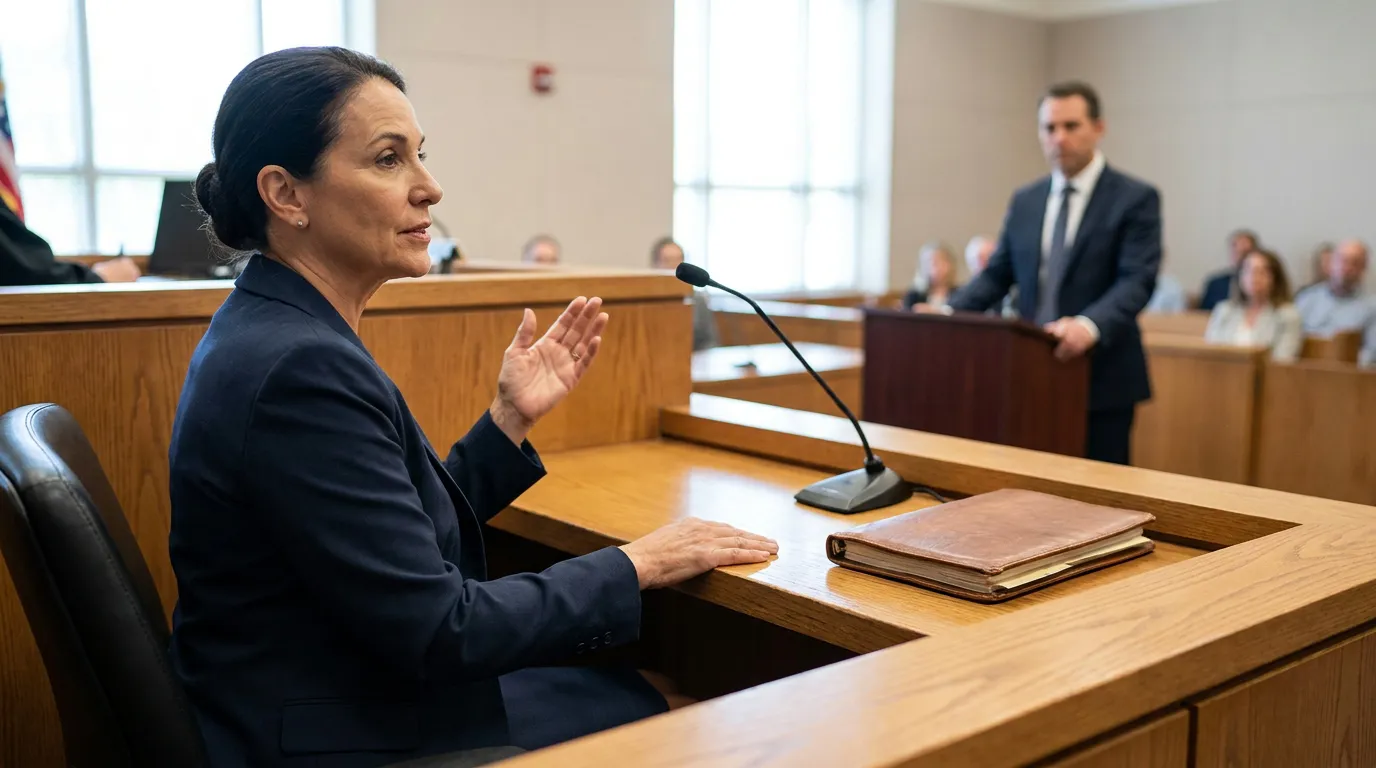
Why Medical Testimony Is the Backbone of a Florida Malpractice Case
A malpractice plaintiff in Florida must prove duty, breach of the prevailing professional standard of care, causation, and damages. Jurors are not doctors. They generally need a qualified expert to explain what a reasonably careful provider would have done and how the defendant fell short. Without that testimony, most claims cannot move forward.
Florida’s evidence code sets the baseline for anyone offering expert opinion testimony. Under Fla. Stat. § 90.702, which follows the Daubert standard, a witness may give opinions if knowledge, skill, experience, training, or education qualifies them, and if their specialized knowledge will help the jury. The opinion must also rest on sufficient facts or data and reliable methods. Hospitals and insurers often challenge a patient’s expert on these grounds.
Meeting the Medical Malpractice Expert Affidavit Florida Rules Before Filing Suit
Before a lawsuit can be filed, Florida requires a verified written medical expert opinion supporting the claim. Fla. Stat. § 766.203 requires a claimant to obtain corroboration showing reasonable grounds to believe the provider was negligent and that the negligence caused injury. The opinion must come from someone who qualifies as a medical expert under Fla. Stat. § 766.202.
The verified opinion must accompany the Notice of Intent to Initiate Litigation. Under Fla. Stat. § 766.106, serving that notice starts a 90-day presuit period during which the defendant investigates and may respond. A lawsuit generally cannot be filed until that period ends or the defendant rejects the claim, with limited exceptions.
Timing Rules That Run Alongside the Presuit Process
Under Fla. Stat. § 95.11, Florida’s statute of limitations for medical malpractice is generally two years from when the incident occurred or from when it was discovered, or should have been discovered with due diligence. A statute of repose also generally bars claims filed more than four years after the incident. Narrow exceptions exist. Where fraud, concealment, or intentional misrepresentation prevented discovery, the period may extend to two years after discovery, but no more than seven years after the incident. Claims involving a minor may be brought before the child’s eighth birthday. Serving the Notice of Intent within the limitations period tolls it during the 90-day presuit period under Fla. Stat. § 766.106(4), and the claimant then has 60 days or whatever time remains, whichever is longer, to file suit.
💡 Pro Tip: Request complete medical records, including imaging and nursing notes, as early as possible. A reviewing physician generally cannot sign a verified opinion without a full picture of the care provided.
Medical Expert Qualifications Florida Courts Apply
The core standards appear in Fla. Stat. § 766.102(5), and they change depending on who the defendant is. The full text of the Florida standard of care statute separates providers into categories, each with its own matching rules.
When the Defendant Practices in a Particular Field
If the defendant is a specialist, the expert generally must specialize in the same specialty. Under Fla. Stat. § 766.102(5)(a), the expert must also have devoted professional time during the three years immediately before the incident to active clinical practice or consulting in that specialty, to teaching in an accredited health professional school or residency program in that specialty, or to an affiliated clinical research program in that specialty. A 2013 amendment removed the earlier "similar specialty" option, so the match is now stricter.
When the Defendant Is Board-Certified
Board certification often matters when courts compare an expert with a specialist defendant. Section 766.102(5)(a) is framed around practicing in the same specialty, not holding identical certificates. A matching certification can strengthen an expert’s qualifications, and a mismatch can invite a challenge. Fla. Stat. § 766.102 currently ends at subsection (13); it no longer contains a provision stating that the section does not limit the trial court’s power to disqualify or qualify an expert witness on grounds other than the statute’s specialty-matching qualifications. That language appeared as subsection (14) in the 2011 version of the statute, but the Legislature’s 2013 amendment (ch. 2013-108) removed it along with the former "similar specialty" option. Because § 766.102 is a state statute, its current provisions apply in Fort Lauderdale and Broward County courts as they do statewide.
When the Defendant Is a General Practitioner
Different standards apply when the defendant is a general practitioner. Fla. Stat. § 766.102(5)(b) requires the expert to have devoted professional time to active clinical practice or consultation, teaching, or clinical research in general practice during the five years immediately preceding the incident. For other health care providers, such as nurses, Fla. Stat. § 766.102(5)(c) requires the expert to be licensed in the same or a similar health profession and to have recent relevant experience.
| Defendant Type | General Qualification Rule | Key Authority |
|---|---|---|
| Specialist | Same specialty, with recent practice, teaching, or research in the prior 3 years | Fla. Stat. § 766.102(5)(a) |
| General practitioner | General practice, teaching, or clinical research in the prior 5 years | Fla. Stat. § 766.102(5)(b) |
| Other health care provider | Same or similar health profession, with recent relevant experience | Fla. Stat. § 766.102(5)(c) |
Can an Out-of-State Doctor Testify in a Fort Lauderdale Case?
Yes. A physician licensed elsewhere can obtain a Florida expert witness certificate, which is generally required before giving a presuit opinion or standard of care testimony against a Florida physician. Under the Florida osteopathic medicine statutes, Fla. Stat. § 459.0066(1)(a) allows a DO licensed in another state or a Canadian province to apply. The application must include:
- The physician’s legal name, address, and phone number
- All business locations
- Every jurisdiction where the physician holds a license, plus license numbers
- A $50 fee
The Florida Department of Health must act quickly on a complete application. Under Fla. Stat. § 459.0066(1)(b)-(c), the department must approve the application within 10 business days if the applicant holds an active, valid license elsewhere and has never had such a certificate revoked. If the department does not act in time, the application is approved by default, but the physician must notify the department in writing of their intent to rely on that approval. The certificate lasts two years. A parallel provision for MDs appears in Fla. Stat. § 458.3175.
What the Certificate Does and Does Not Allow
The certificate permits only limited activities. Under Fla. Stat. § 459.0066(2), the holder may provide a verified written medical expert opinion under Fla. Stat. § 766.203, testify about the prevailing professional standard of care in negligence cases against physicians licensed under Chapter 458 or 459, and testify in certain child abuse, dependency, and child sexual battery matters. It does not allow the holder to practice medicine in Florida. Under Fla. Stat. § 459.0066(3), the certificate is treated as a license for disciplinary purposes, so the Board of Osteopathic Medicine can discipline the holder.
Special Rules for Assisted Living Facility Claims
Claims against assisted living facilities follow their own presuit framework under Chapter 429. Fla. Stat. § 429.293 allows the parties to obtain an opinion from a licensed physician or registered nurse on whether the claim has a reasonable basis. Under that statute, presuit opinions and related work product generally cannot be discovered or used as evidence by the opposing side in any civil action, and participants are generally immune from civil liability for taking part.
Common Challenges Families Face With Expert Affidavit Requirements
Many claims stall because the reviewing expert does not match the defendant closely enough. Defendants may argue the expert practices in a different specialty, lacks recent clinical time, or relied on incomplete records.
Practical problems also come up. Some physicians are reluctant to review cases against colleagues, and the review takes time that eats into the limitations period. Working with a Florida medical malpractice attorney early may help you identify qualified reviewers and gather records before deadlines approach.
💡 Pro Tip: Write down a timeline of symptoms, appointments, and conversations with providers while memories are fresh. These notes can help a reviewing physician understand what happened between chart entries.
Frequently Asked Questions
1. Does the reviewing physician have to practice in Florida?
No. Out-of-state physicians may qualify. However, out-of-state DOs and MDs generally must obtain a Florida expert witness certificate under Fla. Stat. § 459.0066 or § 458.3175 before providing presuit opinions or standard of care testimony against Florida physicians.
2. What happens if my presuit opinion is found insufficient?
A court may dismiss a claim if the presuit requirements of Fla. Stat. § 766.203 and § 766.206 are not met. It may be possible to fix the problem, but only if time remains on the statute of limitations.
3. Can a nurse support my malpractice claim?
In assisted living facility cases, Fla. Stat. § 429.293 allows registered nurses to give presuit opinions. In other cases, Fla. Stat. § 766.102(5)(c) generally allows nurses to testify about the standard of care for other providers in the same or a similar health profession. Testimony against a physician generally must come from a qualifying physician.
4. How recent must the physician’s experience be?
Under Fla. Stat. § 766.102(5), the expert generally must have devoted professional time during the three years immediately before the incident to clinical practice or consulting, teaching, or clinical research in the relevant field, though experts testifying against a general practitioner are held to a five-year window under Fla. Stat. § 766.102(5)(b).
5. Can the defense challenge my medical witness at trial?
Yes. Defendants often challenge qualifications under Fla. Stat. § 766.102 and reliability under Fla. Stat. § 90.702, which is why thorough preparation matters.
Protecting Your Claim From the Start
Florida’s rules on who may support a malpractice claim are detailed, and they apply from the presuit stage through trial. The expert affidavit Florida law requires, the matching rules in Fla. Stat. § 766.102, and strict filing deadlines all work together. Missing a requirement may jeopardize an otherwise valid claim. Speaking with a Ft Lauderdale medical malpractice lawyer can help you understand how these rules fit your situation.
If you are weighing a malpractice claim, the team at Chalik & Chalik Injury Lawyers is ready to listen and explain the next steps. Call 954-476-1000 today or schedule your free consultation to learn more about protecting your rights.
Disclaimer: This content is for informational purposes only and is not legal advice. Every case is unique, and results may vary. Consult an attorney about your specific circumstances.
 What Is the Medical Malpractice Statute of Repose in Florida?
Florida’s Outer Deadline for Medical Malpractice Claims Key Takeaways: Florida’s medical malpractice statute of repose, found in Fla. Stat. § 95.11(5)(c), generally bars a lawsuit filed more than four years after the incident, even if the patient has not yet discovered the injury. This runs alongside a separate two-year statute of limitations, which starts when...

In March 2016, a mother saw her baby daughter swallow a lithium battery. She called 911, and had her baby transported to the hospital, where she insisted that the battery be removed right away. However, the doctor informed the parents that the case was comparable to that of ingesting a coin. In spite of recommendations...

Full term pregnancy normally lasts 39 to 40 weeks. However, circumstances do exist where babies are born early, doctors call these premature births. Babies can survive outside the womb as early as 24 weeks, but they face many challenges on their way to heading home. While there are many natural reasons for a baby to...

Parents of injured children often struggle with questions such as – Should I hire an attorney to pursue compensation in a medical malpractice claim? The answer depends on the extent and cause of the injury. An attorney can provide legal representation if a parent believes a doctor or hospital’s mistake caused a medical malpractice, such...

A Novocaine injection can cause permanent numbness in rare cases. If you suffered permanent numbness because a dental professional administered it incorrectly in your case, a Fort Lauderdale medical malpractice lawyer could help you identify the precise cause. They can also review your medical or dental records with an expert to determine whether the practice...

It is more common than you might think for people to be unsure whether they are victims of medical malpractice. The only way you can win a medical malpractice lawsuit is by proving that a medical error was made or medical negligence occurred. Unfortunately, it may not always be clear whether these mistakes occurred. With...

It is more common than you might think for people to be unsure whether they are victims of medical malpractice. The only way you can win a medical malpractice lawsuit is by proving that a medical error was made or medical negligence occurred. Unfortunately, it may not always be clear whether these mistakes occurred. With...

Few experiences can be as distressing as facing complications after a plastic surgery procedure. Such incidents can leave lasting scars, both physical and emotional, and deeply affect the victim or the victim’s family. One of the best ways to navigate these turbulent waters is by securing the guidance of a Florida medical malpractice lawyer. At...